If you are asking what are the best driveway gates, the honest answer is not a single style or material. The best gate is the one that suits your property, your priorities and how you use the entrance every day. A gate that looks right but needs constant upkeep can become a frustration. A gate that is strong but too heavy or awkward for the space can create problems from the start.
For most UK buyers, the decision usually comes down to five things: security, appearance, maintenance, automation, and budget. Once those are clear, the shortlist becomes much easier to manage.
What are the best driveway gates for most properties?
For many homes and commercial entrances, aluminium driveway gates are the strongest all-round choice. That is because they combine the qualities most buyers want in one product – good security, long-term durability, low maintenance and a wide range of design options.
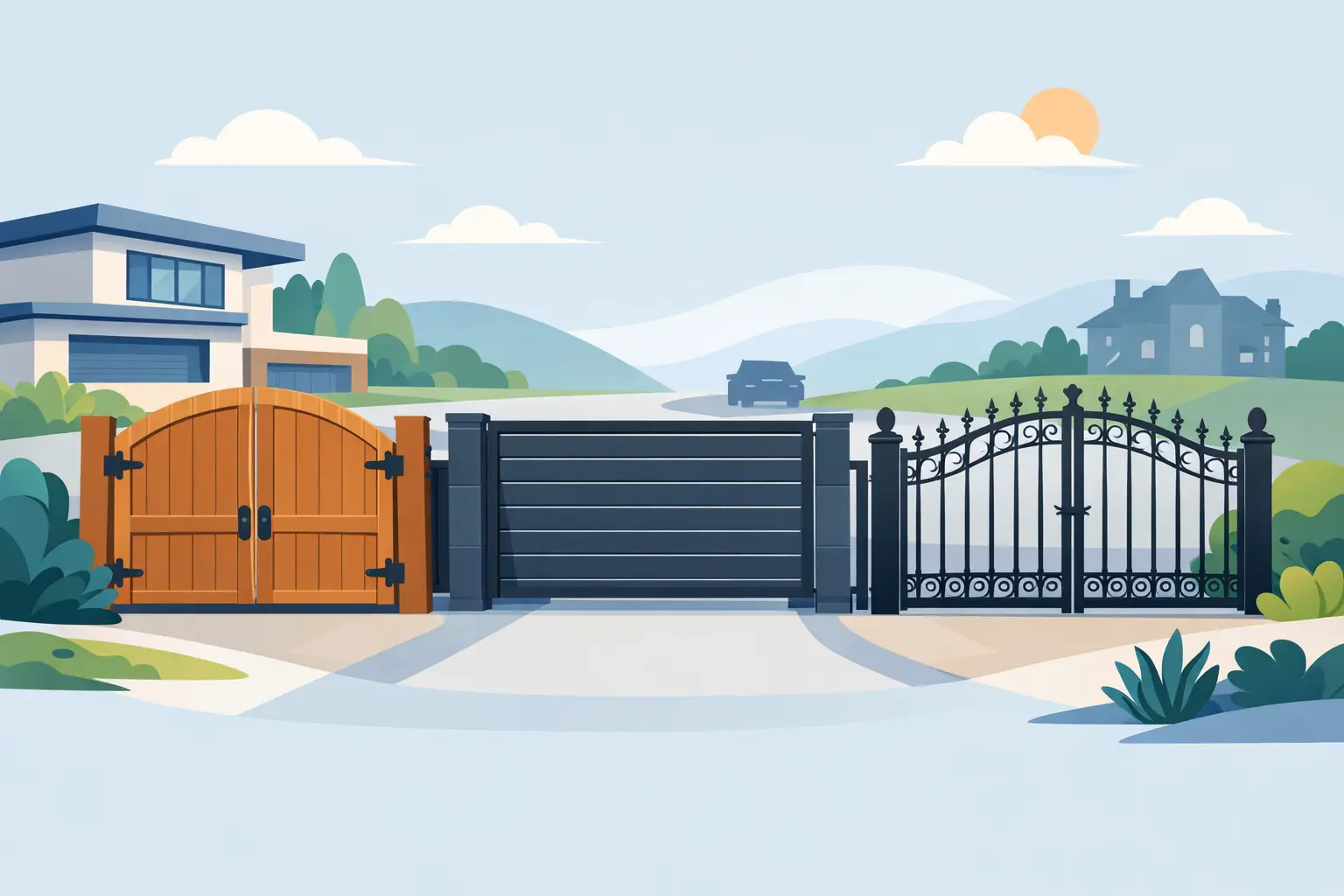
Traditional materials still have their place. Timber offers warmth and character, while steel can suit more formal or high-security settings. But each comes with trade-offs. Timber needs regular treatment and can move over time with weather exposure. Steel is strong but heavy, and if the finish is compromised, rust becomes a concern. Aluminium avoids many of those issues while still offering a premium finish.
That matters even more on a driveway gate, where size, weight and daily use all have a direct impact on performance. A lighter gate puts less strain on hinges, posts and automation systems. Over the years, that can make a noticeable difference to reliability and maintenance costs.
The main gate materials compared
Aluminium
Aluminium is often the best option if you want a gate that looks smart and stays that way without ongoing effort. It does not rust, it is lightweight compared with steel, and it does not need the regular sanding, staining or painting associated with timber. For busy households, landlords, developers and commercial buyers, that lower maintenance burden is a major advantage.
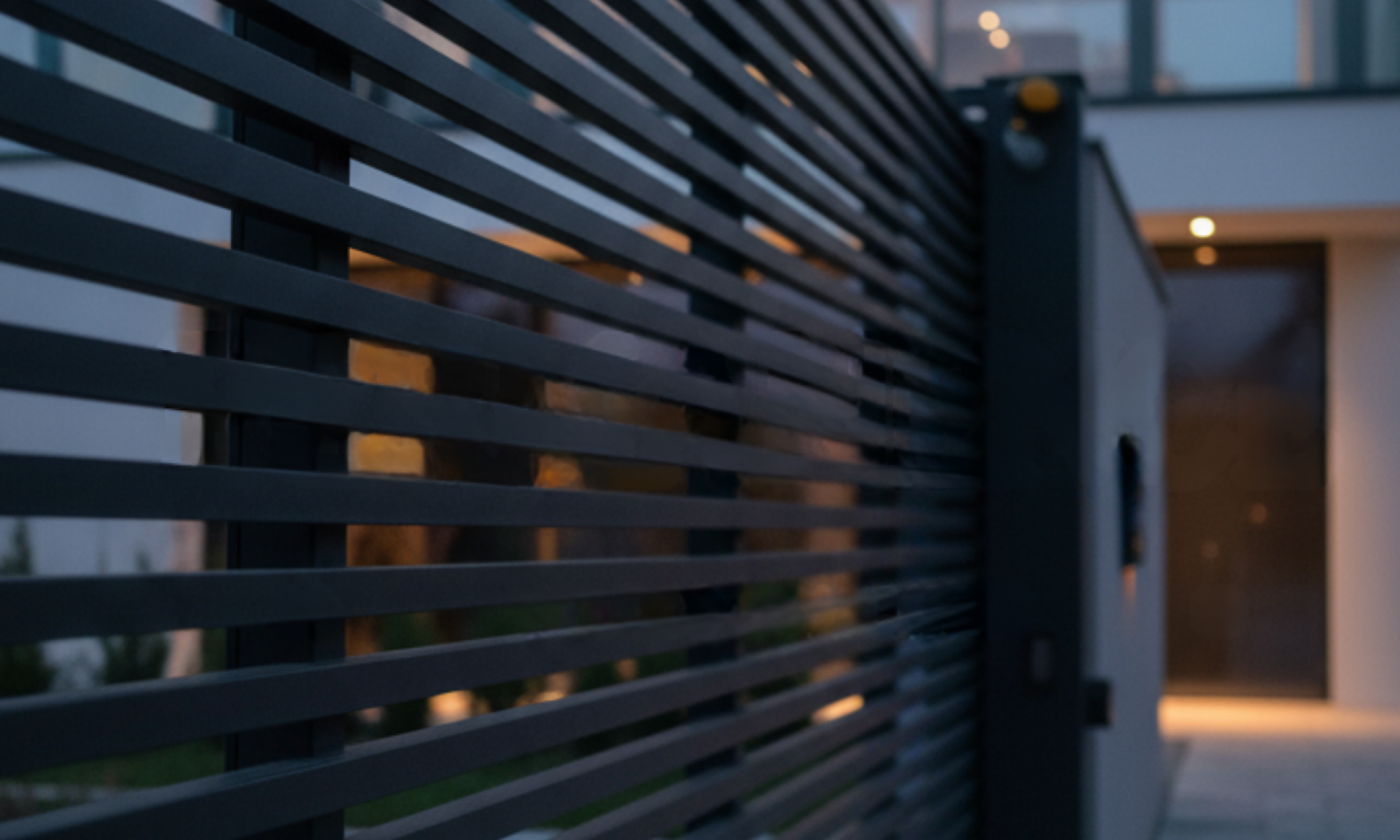
It is also a versatile material from a design point of view. Aluminium gates can suit contemporary properties, period-inspired homes and commercial premises alike. Whether you want a clean horizontal design, a more traditional boarded appearance or something ornate and decorative, there is usually a suitable aluminium option.
Timber
Timber gates can look excellent, especially on rural properties, cottages and traditional homes. They bring a natural finish that many buyers still prefer. If appearance is your main priority and you are prepared for the upkeep, timber can work well.
The issue is that timber is a higher-maintenance choice. In the UK climate, rain, frost and sunlight all take their toll. Without regular treatment, timber can fade, swell, crack or warp. That does not make it a poor material, but it does mean buyers should go in with realistic expectations.
Steel or wrought iron style gates
Steel gates are associated with strength and formality. They often suit larger entrances, heritage settings and commercial sites where a substantial look is part of the brief. Ornate designs can be particularly effective on properties with railings or boundary features in a similar style.
The downside is weight. A heavier gate can require more substantial support and may be less forgiving where the opening is not straightforward. Ongoing maintenance also needs consideration, particularly if coatings become damaged.
Swing or sliding – which is better?
Material is only part of the answer. Gate operation matters just as much.
Swing gates
Swing gates are a popular choice for domestic driveways because they suit many property layouts and can create a traditional, balanced entrance. They can open inwards as a pair or as a single leaf, depending on the width and available space.
They do, however, need enough clearance to open properly. If your driveway slopes upwards towards the property, or space is limited behind the gate line, swing gates may not be the best fit.
Sliding gates
Sliding gates are often the better option for wider openings, restricted entrances or sites where security and controlled access are key. Because they move sideways rather than swinging in or out, they can work well where space is tight or the ground levels make swing operation impractical.
They can also be a strong choice for commercial premises and modern residential projects. The trade-off is that they need room to slide into, and the track or cantilever system must be properly planned.
What makes a driveway gate the right choice?
The best driveway gates are not just about material or opening style. They are the gates that solve the practical brief without compromising the look of the property.
Security is usually near the top of the list. A driveway gate should define the boundary clearly, deter casual access and work well with locking or automation systems where needed. Privacy can be just as important. Some buyers want a more open design that preserves visibility, while others prefer solid infill or closely spaced boards to reduce overlooking.
Then there is kerb appeal. Your gate sits at the front of the property and creates an immediate impression. A good design should feel proportionate to the house, boundary and entrance width. A gate that is too plain can look underwhelming, while one that is too ornate can feel out of place.
Maintenance should never be treated as an afterthought. Many customers start out focused on design and then realise later that repainting, treating or repairing a gate every few years is not something they want to take on. That is one reason aluminium has become such a popular choice across both residential and commercial projects.
What are the best driveway gates if you want low maintenance?
If low maintenance is one of your main goals, aluminium is hard to beat. A quality powder-coated aluminium gate gives you a clean, durable finish without the ongoing workload that comes with timber or untreated metal alternatives.
This is especially relevant for larger driveway gates. The bigger the gate, the more noticeable the maintenance becomes. Repainting or refinishing a pair of large timber gates is one thing when they are new and attractive. It is another when they have been through several winters and need attention again.
For developers and commercial buyers, the same point applies at scale. Lower maintenance can mean lower ongoing cost, fewer site visits and a better long-term finish for the entrance.
Bespoke or readymade?
This depends on the property and how specific your requirements are. A readymade gate can be a sensible option when the opening is straightforward and the design brief is simple. It can also help with lead times and budget.
A bespoke gate is usually the better route when the opening is unusual, the property has a particular style to match, or you want to integrate specific features such as automation, intercom access or a matching pedestrian gate. Custom sizing and design flexibility can make a significant difference to the final result.
There is no right answer for every project. The key is choosing a solution that fits the opening properly and performs well long term, rather than forcing a standard product into a space where it is not quite right.
Automation changes the decision
Many buyers now expect driveway gates to work with automation, keypad entry or intercom systems. If that is part of your plan, it should shape the gate choice from the beginning rather than being treated as an add-on later.
Gate weight, hinge quality, opening style and available space all affect automation performance. A well-made aluminium gate is often a practical option here because the lighter weight supports smoother operation and reduces strain on motors and hardware.
For higher-use sites, this becomes even more important. A gate that opens several times a day needs to be built with that level of use in mind.
So, what should you choose?
If you want the most balanced answer to what are the best driveway gates, aluminium driveway gates will suit the majority of buyers best. They offer an excellent mix of durability, appearance, low maintenance and automation compatibility, and they can be tailored to suit both modern and traditional properties.
That said, the right gate still depends on the setting. A timber gate may be the better visual match for a rural home. A steel gate may suit a more formal or security-led entrance. The important thing is to weigh the look you want against the upkeep, the opening layout and how the gate will be used in practice.
At Aluminium Gates Direct, that is exactly where good advice matters. The right gate should not just look good on day one. It should continue to suit the property, the budget and the way the entrance is used for years to come.
If you are comparing options, start with the practical questions first – how much space you have, how much privacy you want, whether automation is needed and how much maintenance you are realistically willing to take on. Once those are clear, the best choice usually becomes obvious.