If you need a gate quickly, but do not want to compromise on appearance, durability or long-term value, readymade aluminium gates are often the first option worth serious consideration. For many UK homeowners and trade buyers, they strike the right balance between speed, cost control and a clean, modern finish without the upkeep that comes with timber or the weight and corrosion issues often associated with steel.
That said, a readymade gate is not automatically the right gate. The best choice depends on your opening size, the look you want, whether automation is planned, and how much flexibility you need on design. Getting those details right at the start usually saves time, money and frustration later.
Why readymade aluminium gates appeal to so many buyers
The main attraction is simple – they are ready to order in standard sizes and proven designs, which can shorten lead times compared with a fully bespoke solution. If you are replacing tired timber driveway gates, upgrading a garden entrance or trying to keep a project moving on site, that matters.
Aluminium itself is a strong fit for this kind of product. It is lightweight compared with steel, which helps with handling, installation and automation. It also does not rust, and it needs very little maintenance to keep it looking smart. For busy homeowners, landlords and commercial buyers, that low-maintenance benefit is often just as important as the initial purchase price.
There is also the question of appearance. A well-made aluminium gate can deliver crisp lines, consistent finishes and a more premium look than many people expect from an off-the-shelf option. Powder-coated finishes in popular colours make it easier to match modern and traditional properties alike, provided the design has been chosen carefully.
Where readymade aluminium gates work best
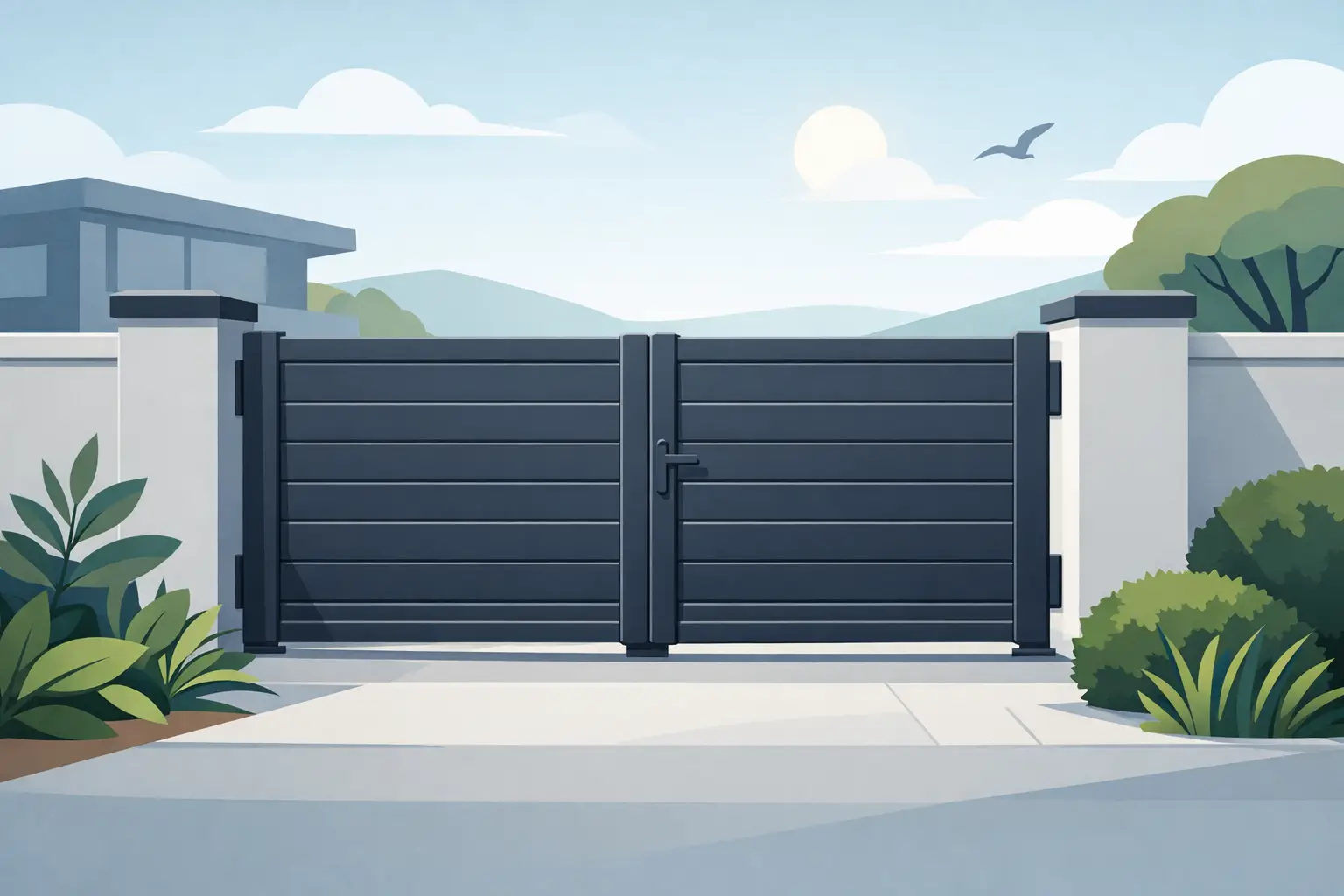
Readymade aluminium gates are well suited to projects where the opening is close to a standard size and the priority is reliable supply rather than full customisation. This could be a driveway entrance on a new-build plot, a side access gate at a renovated home, or a garden gate where the dimensions are straightforward.
They can also make sense for developers and builders working across multiple plots. Standardised sizes and designs help simplify specification, purchasing and installation. If consistency across a development matters, or if timelines are tight, a readymade model can be far easier to manage than ordering each gate as a one-off.
For commercial properties, the answer is more mixed. A readymade gate may be suitable for pedestrian access points, bin store areas or lower-risk perimeter sections. For higher-security entrances or sites requiring specific access control systems, traffic patterns or wider spans, a bespoke solution is often the better route.
When a bespoke gate may be the better choice
Speed and simplicity are valuable, but they are not everything. If your opening is an unusual width, the ground levels are awkward, or the gate needs to align with existing fencing, brick piers or railings, standard sizes can become limiting very quickly.
Design requirements matter too. Some customers want a particular infill style, a more ornate appearance, additional privacy, or a gate that reflects the proportions of the property more precisely. In those cases, bespoke manufacturing gives you more control over height, width, frame detail and finish.
Automation is another area where it depends. Many readymade aluminium gates can be automated, and aluminium’s lower weight is a real advantage here. But if your setup involves heavy usage, integrated intercoms, access control, safety features or a complex entrance layout, it is worth checking that the gate, posts and hardware are all suitable as a complete system rather than treating the gate as a standalone product.
What to check before buying readymade aluminium gates
The first step is always measurement. That sounds obvious, yet it is where many problems begin. You need the actual opening width, the available clearance for swing or slide operation, the finished ground level and any fall across the entrance. A gate that looks right on paper may not work on site if the levels or clearances are wrong.
Then consider how the gate will be used day to day. A pair of driveway gates for occasional domestic use has very different demands from an entrance serving multiple vehicles every day. Think about whether you need manual operation or automation, and whether pedestrians will use the same access point.
It is also worth looking closely at construction quality. Not all aluminium gates are made to the same standard. Ask about frame strength, finish quality, hardware compatibility and how the gate is intended to be installed. A low-maintenance material still needs a well-engineered design if it is going to perform properly over time.
Finally, think beyond the gate leaf itself. Posts, hinges, latches, locking options, automation equipment and intercom systems all affect the finished result. Buyers often focus on the gate because it is the visible part, but the supporting components are what determine how well the system works in practice.
Style, privacy and property type
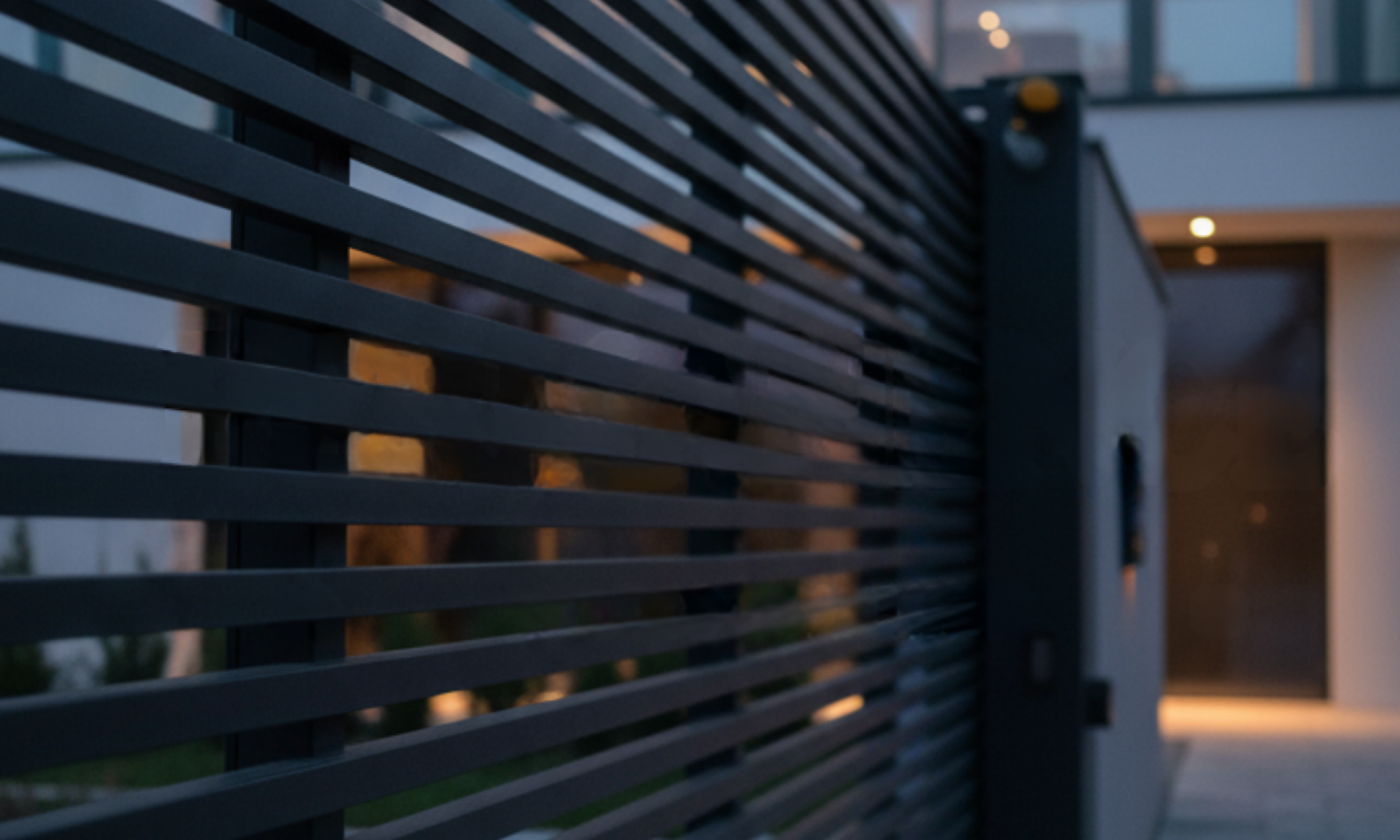
One of the biggest misconceptions is that readymade means limited to a single modern look. In reality, there is usually a useful spread of styles, from sleek horizontal slats to more traditional vertical designs and semi-solid options that provide a greater sense of privacy.
For contemporary homes, simple lines and darker powder-coated finishes are a popular choice because they complement modern windows, doors and fencing. For period or more traditional properties, the right design can still work well, particularly when proportions are balanced and decorative details are used with restraint.
Privacy is another important consideration. Open designs can improve visibility and create a lighter look from the street, but they also expose the driveway or garden behind. More solid designs offer better screening, though they can appear heavier visually. The right answer depends on whether your priority is openness, security, screening or kerb appeal.
Installation matters as much as the product
Even the best gate will disappoint if it is installed badly. Posts must be set correctly, hinges aligned properly and clearances allowed for smooth operation. With automation, accurate installation becomes even more important because poor setup can put unnecessary strain on motors and hardware.
This is why proper support during selection is valuable. A specialist supplier should help you confirm suitability before you order, rather than leaving you to work it out from a basic size chart. For some buyers, supply only is exactly what is needed. For others, especially with driveway entrances and automated systems, installation support through experienced partners can make the process much more straightforward.
At Aluminium Gates Direct, this is where many customers benefit from a practical conversation early on. A gate may look like a simple purchase, but the right advice on sizing, style, posts and automation can prevent expensive adjustments later.
Cost versus value
Readymade aluminium gates are often chosen because they can be more cost-effective than bespoke alternatives, but the lowest upfront price is not always the best value. A cheaper gate that does not fit properly, does not match the property, or cannot support future automation may cost more in corrections and replacements.
The stronger value case for aluminium is usually long term. You are buying a material that does not require regular painting, is resistant to weathering and offers a strong strength-to-weight ratio. Over the years, that can compare very favourably with timber gates that need ongoing treatment or steel options that may require more attention to prevent corrosion.
For trade and commercial buyers, value also includes programme reliability. If a readymade gate helps keep a project on schedule, that has a practical financial benefit beyond the product price alone.
Making the right choice for your site
The most successful gate projects start with a clear view of what matters most. If your priority is quick supply, straightforward installation and low maintenance, readymade aluminium gates can be an excellent fit. If your entrance is unusual, your design brief is highly specific or the gate needs to work as part of a more complex automated access system, bespoke may be the wiser investment.
Neither option is better in every situation. What matters is choosing a gate that suits the opening, the property and the way it will be used. A standard product can be exactly right when the specification is right.
If you are weighing up your options, the best next step is not to guess – it is to get clear advice based on your measurements, your layout and your budget. A gate should solve a problem and improve the look of your property at the same time, and with the right guidance, it can do both without becoming a complicated purchase.