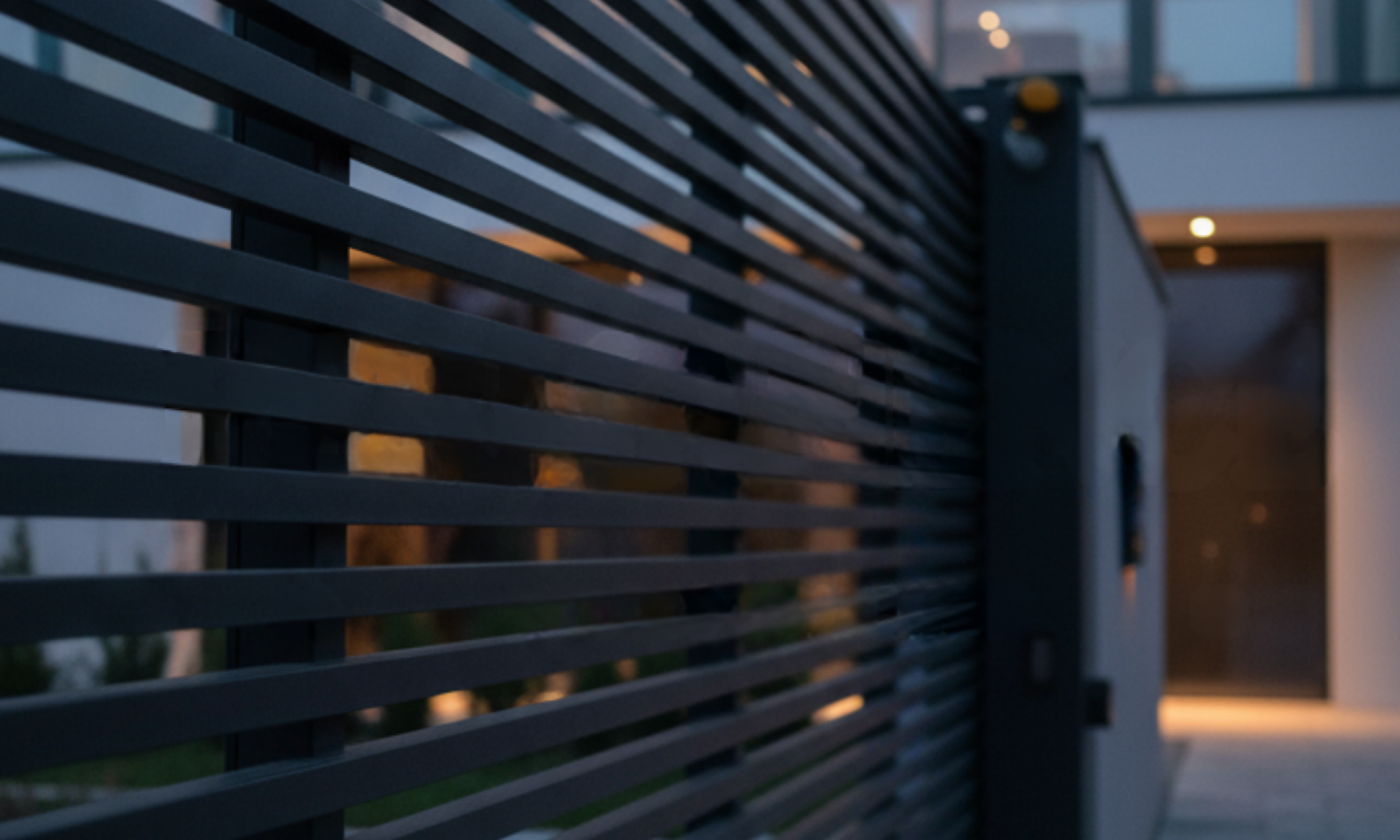

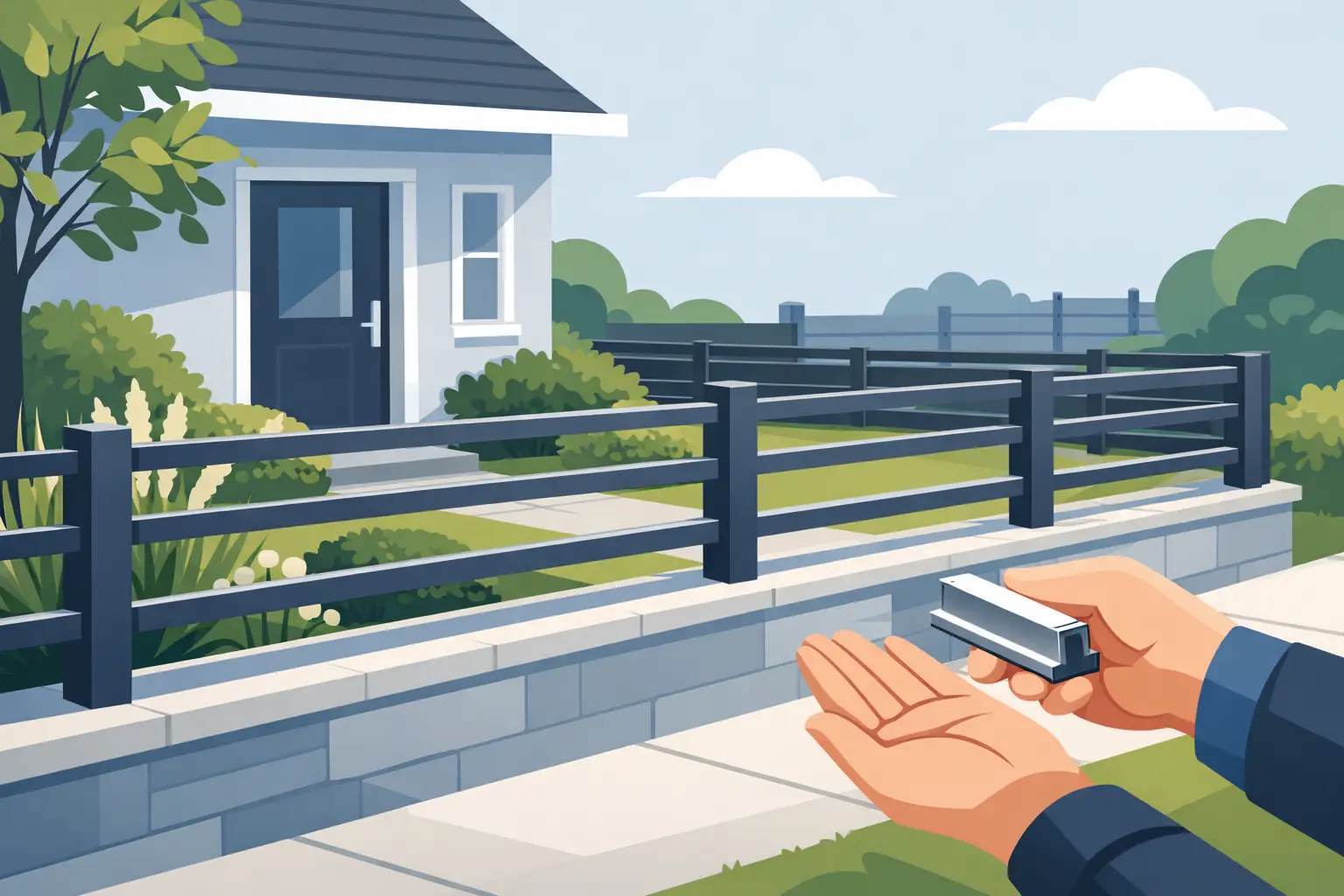
A front garden sets the tone for the whole property. If the boundary looks tired, rusty or uneven, the rest of the house can feel less cared for than it really is. That is why aluminium railings for front garden spaces have become such a popular choice for homeowners and developers who want a clean finish, stronger kerb appeal and far less maintenance than traditional materials.
The appeal is not just about looks. Front garden railings need to do several jobs at once. They help define your boundary, improve security, make the entrance feel more finished and, in many cases, support the style of the house itself. The right railing should feel like part of the property rather than an afterthought.
Why aluminium railings for front garden use make sense
Front garden boundaries live outdoors all year round, so the material matters. Timber can look attractive at first, but it needs regular treatment and can warp or rot over time. Mild steel is strong, but if the protective finish fails, rust can quickly become a problem. Wrought iron has character, but it is heavy, expensive and often demands ongoing maintenance.
Aluminium solves many of those issues in a straightforward way. It is lightweight but strong, naturally resistant to corrosion and well suited to the British weather. For many buyers, the biggest advantage is the low-maintenance aspect. Once installed, aluminium railings do not ask for much beyond occasional cleaning. That makes them especially appealing for busy households, landlords and developers who want a smart result without a long list of upkeep jobs.
There is also more design flexibility than many people expect. Aluminium is not limited to one modern look. Depending on the profile, finish and detailing, it can suit contemporary new builds, period-style homes and everything in between.
What good front garden railings need to do
A lot of buying decisions focus on appearance first, which is understandable. But for front garden railings, performance is just as important. A good system should be durable, stable and proportionate to the property.
Height is one of the first things to consider. Too low, and the railings may not give the definition or deterrent value you want. Too high, and the front of the property can start to feel closed off. For many homes, a moderate height gives the best balance between openness and security. If the property sits close to a pavement or road, this balance becomes even more important.
Spacing matters as well. Open vertical designs tend to work well at the front of a property because they keep the boundary visible and welcoming while still creating a clear edge. If there are children or pets to think about, spacing should be chosen carefully for safety as well as appearance.
The finish should also be suitable for long-term outdoor use. Powder-coated aluminium is popular because it provides a durable, consistent finish in colours that work with modern windows, doors and gates. Black, anthracite grey and heritage tones remain common choices, but bespoke colours can make sense when a property has a very specific style.
Matching the railings to the property
The best front garden railings do not compete with the house. They support it.
For a modern property, simple vertical bar railings with a crisp powder-coated finish often work best. Clean lines tend to suit contemporary façades, aluminium entrance gates and minimalist landscaping. In these settings, over-ornate details can feel out of place.
For more traditional homes, the design choice may be slightly different. Decorative finials, curved top rails or more classic proportions can help the railings sit more naturally with brick pillars, bay windows or period-style features. Aluminium can still achieve this effect while offering a more practical ownership experience than traditional ferrous metal options.
It is also worth thinking about the wider perimeter. If the front garden railings are being installed alongside a pedestrian gate, driveway gate or fencing, consistency becomes important. A coordinated approach usually gives a stronger overall result than selecting each element separately.
Aluminium railings for front garden security and privacy
Front garden railings are not usually about complete privacy. In most cases, they are there to provide a visible boundary, make unauthorised access less easy and improve the sense of order at the front of the property.
Open railings can actually help with security in some situations because they preserve sightlines. That means the front of the property remains visible from the street and from the house, which can be a useful deterrent. A solid boundary might offer more privacy, but it can also create hidden areas.
That said, the right solution depends on the property. A house on a busy road may benefit from taller railings or a combined design with hedging or planting. A development site or mixed-use property may have a stronger emphasis on access control. For those projects, railings are often just one part of a wider perimeter strategy.
Installation and practical planning
Even the best railing design will disappoint if it is not measured and installed properly. Front gardens often present more complications than expected. Sloping ground, existing walls, uneven brickwork and narrow access points can all affect the final specification.
This is where expert guidance matters. In some cases, a readymade solution may be perfectly suitable. In others, bespoke railings are the better route because they allow the design to be tailored to the site dimensions and visual requirements. There is no single right answer for every property.
Fixing method is another point that deserves attention. Railings can be mounted in different ways depending on whether they are being fitted to walls, posts or hard landscaping. The correct approach helps ensure the system remains secure and looks neat once complete.
Buyers should also think ahead about gates. If there is likely to be a pedestrian access point, it usually makes sense to plan the gate and railings together rather than treat them as separate purchases. That avoids mismatched heights, finishes and styles later on.
Budget, value and long-term cost
It is easy to compare railing prices on the initial purchase figure alone, but that rarely tells the whole story. A cheaper material may look attractive at first and then demand repainting, repairs or replacement much sooner than expected.
Aluminium tends to offer strong long-term value because the ongoing maintenance burden is low. There is no routine sanding, staining or rust treatment to factor in. Over time, that can make a noticeable difference to ownership costs as well as convenience.
Bespoke designs will usually cost more than standard options, but they can be worth it when the layout is unusual or when the front elevation needs a more tailored finish. For developers and trade buyers, the calculation is often about reliability and consistency as much as aesthetics. A dependable product that installs cleanly and performs well across multiple plots can save time and reduce snagging.
Common mistakes to avoid
One of the most common mistakes is choosing a style that looks good in isolation but does not suit the property. Front boundaries are highly visible, so proportion and context matter.
Another is underestimating the importance of finish quality. Outdoor metalwork needs a coating system that is designed for exposure, not just something that looks good on day one.
There is also a tendency to focus only on the railings and forget how they will connect to walls, pillars and gates. These junctions have a big effect on the final look. When they are planned well, the whole frontage feels more coherent.
Finally, some buyers assume all aluminium products are broadly the same. They are not. Profile strength, fabrication quality, coating standard and design flexibility vary from supplier to supplier, so it pays to choose a specialist that can advise properly rather than simply quote a price.
Getting the right solution for your project
Whether you are improving a single frontage or specifying railings as part of a wider perimeter scheme, the best results usually come from asking a few clear questions at the start. What level of security do you want. How much maintenance are you realistically prepared to do. Do you want the boundary to stand out or blend in. Will there be matching gates now or later.
For homeowners, the priority is often kerb appeal and ease of ownership. For developers, it may be consistency across plots and a finish that supports saleability. For commercial or mixed-use sites, durability and access planning may carry more weight. The material can be the same, but the right specification can still vary considerably.
At Aluminium Gates Direct, that is why the focus is on matching the product to the property rather than pushing a one-size-fits-all answer. Front garden railings should look right, perform well and remain good value long after installation.
If you are considering a new front boundary, take the time to think beyond the immediate appearance. The best choice is usually the one that still looks smart after years of British weather, still suits the house as tastes evolve and still asks very little from you once it is in place.