
A garden gate does more than mark an entrance. It shapes first impressions, affects privacy, and has to cope with British weather without becoming another weekend job. If you are looking for the best garden gate ideas, the right choice usually comes down to a balance of style, security, maintenance and how the gate will be used day to day.
For some properties, the priority is a smart side gate that keeps bins and tools out of sight. For others, it is a decorative pedestrian gate that completes a landscaped front garden. The strongest ideas are the ones that suit the setting rather than chasing a trend. That is why material, opening style, height and finish matter just as much as appearance.
What makes the best garden gate ideas work?
A good gate should feel like part of the property, not an afterthought. That means considering the proportions of the opening, nearby fencing or walls, and the style of the house itself. A sleek horizontal-slat gate can look excellent beside a modern extension, but it may feel out of place in front of a period cottage unless the detailing is handled carefully.
Practical use matters just as much. A gate used several times a day needs to be light, reliable and easy to latch. If the space is exposed, wind loading becomes relevant. If privacy is a concern, the infill design should limit visibility without making the entrance feel too heavy. The best garden gate ideas usually succeed because they solve more than one problem at once.
12 best garden gate ideas to consider
1. Contemporary slatted aluminium gates
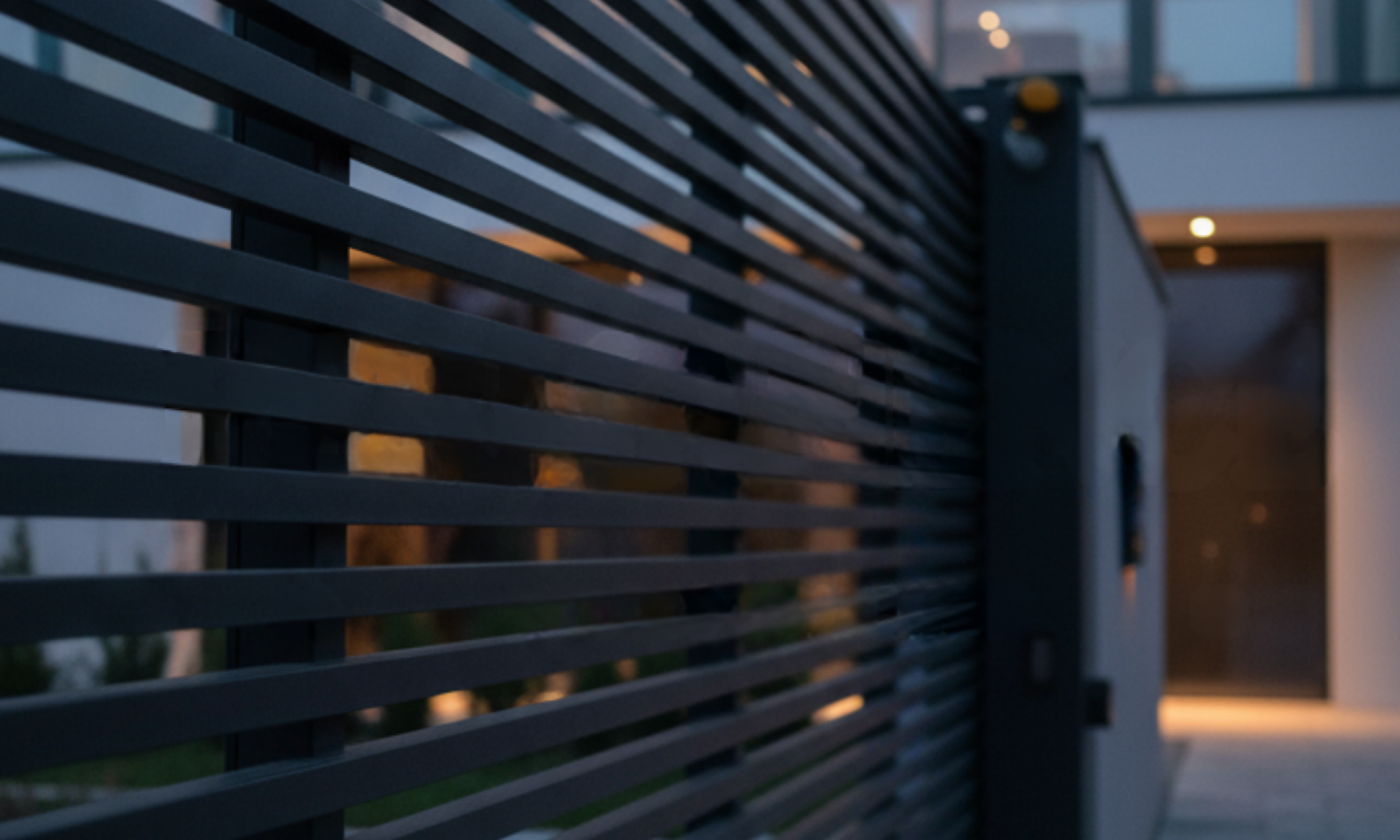
This is one of the most popular choices for modern homes, and for good reason. Slatted aluminium gates offer clean lines, strong kerb appeal and a good balance between privacy and airflow. Depending on spacing, they can either screen the garden almost completely or allow a lighter, more open look.
They are especially useful where homeowners want a low-maintenance alternative to timber. Powder-coated aluminium will not rot, warp or need regular repainting, which makes it a sensible long-term option for busy households.
2. Solid privacy side gates
A solid or near-solid gate works well for side access where security and screening are the main priorities. This style helps conceal storage areas, wheelie bins, tools and side passages, creating a tidier overall appearance.
The trade-off is that a fully enclosed design can catch more wind than an open style, so the frame, posts and hinges need to be specified properly. In exposed locations, a slightly ventilated design may perform better over time.
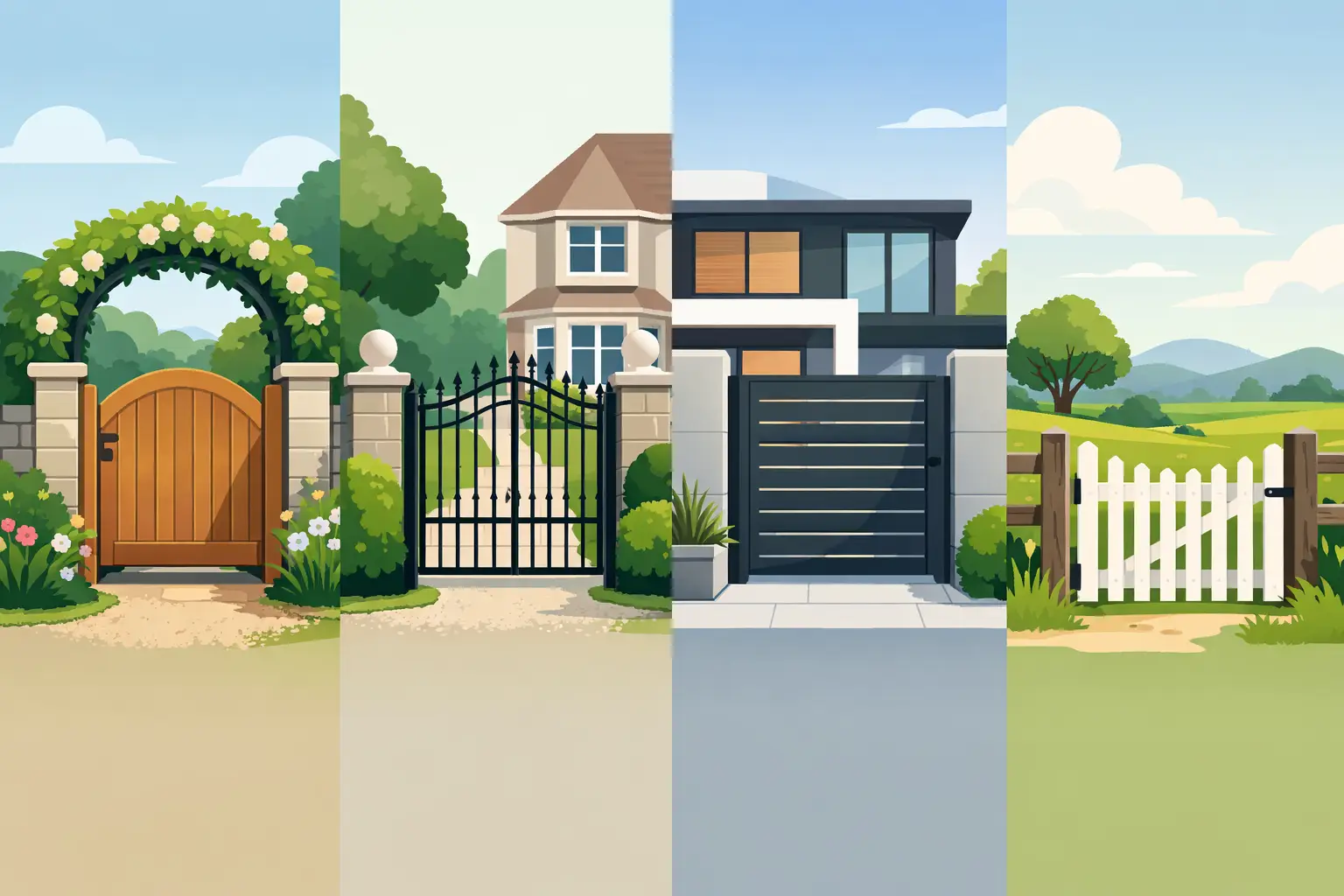
3. Decorative entrance gates for front gardens
If the gate is visible from the street, decorative detailing can add real character. Ornate tops, shaped frames and more traditional railing-style designs suit period homes particularly well, and they can lift the look of a front boundary without overwhelming it.
This approach works best when the gate reflects other exterior features such as railings, balcony details or the style of the front door. Too much ornament can look forced, so proportion is everything.
4. Matching gate and fencing sets
One of the simplest ways to achieve a polished result is to match the gate with the surrounding fencing or railings. Consistent materials, colours and line patterns create a neater finish and help the whole boundary feel intentional.
This is especially effective in new landscaping projects or larger renovations, where separate elements can otherwise compete with each other. It also makes specification easier for developers and trade buyers who need a coordinated perimeter solution.
5. Arched top garden gates
An arched top softens the look of a gate and can suit both traditional and transitional properties. It introduces visual interest without relying on heavy decoration, which makes it a good middle ground for homeowners who want something more distinctive than a flat-top design.
This shape can be particularly effective in cottage gardens or softer planting schemes. It is less suited to sharply contemporary architecture, where straight lines often work better.
6. Minimal framed pedestrian gates
For narrow paths and simple access points, a minimal framed gate can be the right answer. These designs tend to be understated, practical and easy to integrate into all sorts of boundary treatments.
The appeal here is restraint. Not every gate needs to be a focal point. In many cases, the best option is one that looks smart, works smoothly and does not demand attention.
7. Gates with integrated intercom or access control
For higher-value residential projects or mixed-use sites, adding intercom or access control can make a garden or side entrance more secure and more convenient. This is particularly useful where a gate connects to a rear garden office, side alley or secondary access point.
It is not necessary for every property, but where controlled entry matters, planning for cables, posts and hardware early will avoid compromise later. A well-designed gate can accommodate modern access systems without looking overly commercial.
8. Vertical bar or railing-style gates
This style is ideal where visibility matters more than privacy. Vertical bar gates can look elegant and open, making them a strong option for front gardens, communal spaces or properties where owners want a welcoming boundary rather than a screened one.
They are also helpful where climbing plants, stonework or formal landscaping should remain visible from outside. Security can still be strong, but the overall feel is lighter than with solid infill gates.
9. Bespoke gates for awkward openings
Not every garden entrance is standard. Sloping drive edges, uneven walls, non-standard widths and inherited brick piers often mean an off-the-shelf gate is not the best fit. Bespoke sizing allows the gate to suit the opening properly rather than relying on fillers or compromises.
This can make a significant difference to both appearance and performance. A well-made bespoke gate will usually close better, sit more neatly and look more considered within the space.
10. Dual-purpose security and style gates
Some locations need a gate to do more than look attractive. Side access near public footpaths, shared boundaries or concealed passages often require stronger privacy, better locking and more durable construction.
The good news is that security-focused design does not have to look industrial. With the right frame, infill and finish, it is possible to achieve a secure gate that still complements the property.
11. Powder-coated colour statement gates
Anthracite grey remains a popular choice, but it is not the only option. Black, white and muted heritage tones can all work well depending on the building and surrounding materials. A coloured gate can either blend into the boundary or provide contrast as a design feature.
This is one area where samples and context really matter. A colour that looks right in isolation may appear too harsh or too flat against brick, render or stone.
12. Low-maintenance aluminium timber-look gates
For homeowners who like the warmth of timber but not the upkeep, timber-look aluminium is worth considering. It offers the character of woodgrain with none of the regular staining, sanding or risk of rot associated with traditional timber gates.
It is a practical solution where the garden design calls for a softer, more natural appearance but the customer still wants long-term durability and minimal maintenance.
Choosing between timber, steel and aluminium
Material choice affects almost every part of ownership. Timber can look attractive and traditional, but it needs regular care and is more vulnerable to weathering over time. Steel is strong, though it can be heavier and may require more attention to corrosion protection if the finish becomes damaged.
Aluminium is often the most practical choice for modern buyers because it is lightweight, durable and maintenance-free in day-to-day use. That makes it particularly appealing for side gates, pedestrian gates and garden entrances that need to stay looking smart without constant attention. For many UK properties, it gives the best mix of appearance, performance and value over the long term.
How to match a garden gate to your property
The best garden gate ideas are usually the ones that respect the house rather than competing with it. Contemporary homes often suit streamlined profiles, crisp powder-coated finishes and horizontal or flush infill styles. Traditional homes may benefit from softer shapes, decorative details or more classic vertical designs.
Think about the wider boundary too. Brick pillars, rendered walls, railings and fence panels all influence what will look right. If the gate sits beside a driveway gate, matching or coordinating the design can create a stronger result. If it stands alone, it may need slightly more presence to avoid looking undersized.
A few practical checks before you buy
Before choosing a design, measure the opening carefully and assess the ground levels. Check whether the gate needs to open inwards or outwards, and make sure there is enough clearance for the swing. Consider how often the gate will be used and who will use it, especially if children, elderly relatives or tenants need straightforward access.
It is also worth thinking ahead. If you may add fencing, automation or access control later, choose a gate system that can accommodate those upgrades. A little planning at the start can save money and avoid replacement further down the line.
At Aluminium Gates Direct, we often find that the right gate is not simply the most decorative option or the cheapest available. It is the one that fits the opening properly, matches the property, and performs well for years without creating extra work. If you start with that in mind, the best-looking choice is usually the most practical one too.
A garden gate should make everyday access feel easy and make the property look finished. When style, durability and the right specification come together, it stops being just an entrance and becomes part of what makes the space work.