
Aluminium Security Fencing: What to Know

Aluminium Security Fencing: What to Know

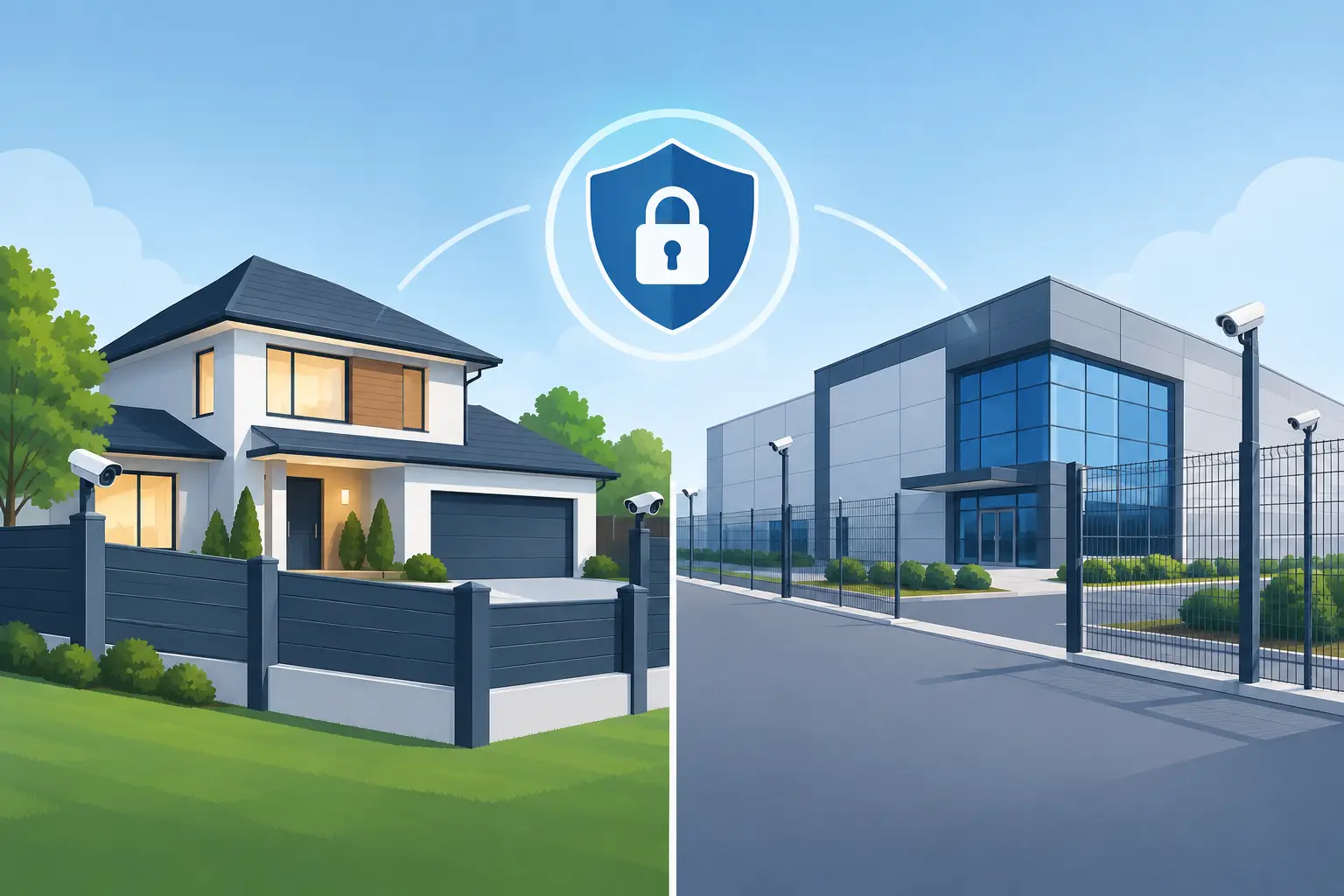
A fence has two jobs to do at once. It needs to make a property feel secure, and it also needs to look right from the street, the entrance and every angle in between. That is why aluminium security fencing has become a serious option for homeowners, developers and commercial buyers who want practical protection without taking on the upkeep that often comes with timber or steel.

For some projects, security is the main priority. For others, presentation matters just as much. In many cases, the right answer sits somewhere in the middle – a fence that creates a clear boundary, works with matching gates and access control, and still looks smart years down the line. Aluminium suits that balance particularly well.

Why aluminium security fencing is gaining ground

Traditional fencing materials still have their place, but they often come with familiar compromises. Timber can look warm and attractive, yet it usually demands regular treatment and can suffer from warping, rot or general weathering over time. Steel is strong, but weight, corrosion risk and ongoing maintenance can make it less appealing, especially for buyers thinking about long-term ownership costs.

Aluminium security fencing offers a different route. It is lightweight compared with steel, naturally corrosion-resistant and well suited to UK weather conditions when properly manufactured and finished. That matters whether you are securing a front boundary at a home, defining the perimeter of a development or specifying fencing for a commercial site where appearance and durability both count.

There is also a design advantage. Aluminium can deliver a clean, modern look, but it can also be tailored to suit more traditional properties. That flexibility is useful when a fencing system needs to match gates, railings or wider architectural details rather than feeling like a separate afterthought.

What makes a security fence effective

Not every fence described as secure performs the same way. Height matters, but so do spacing, visibility, fixings and how the fence works with the rest of the perimeter.

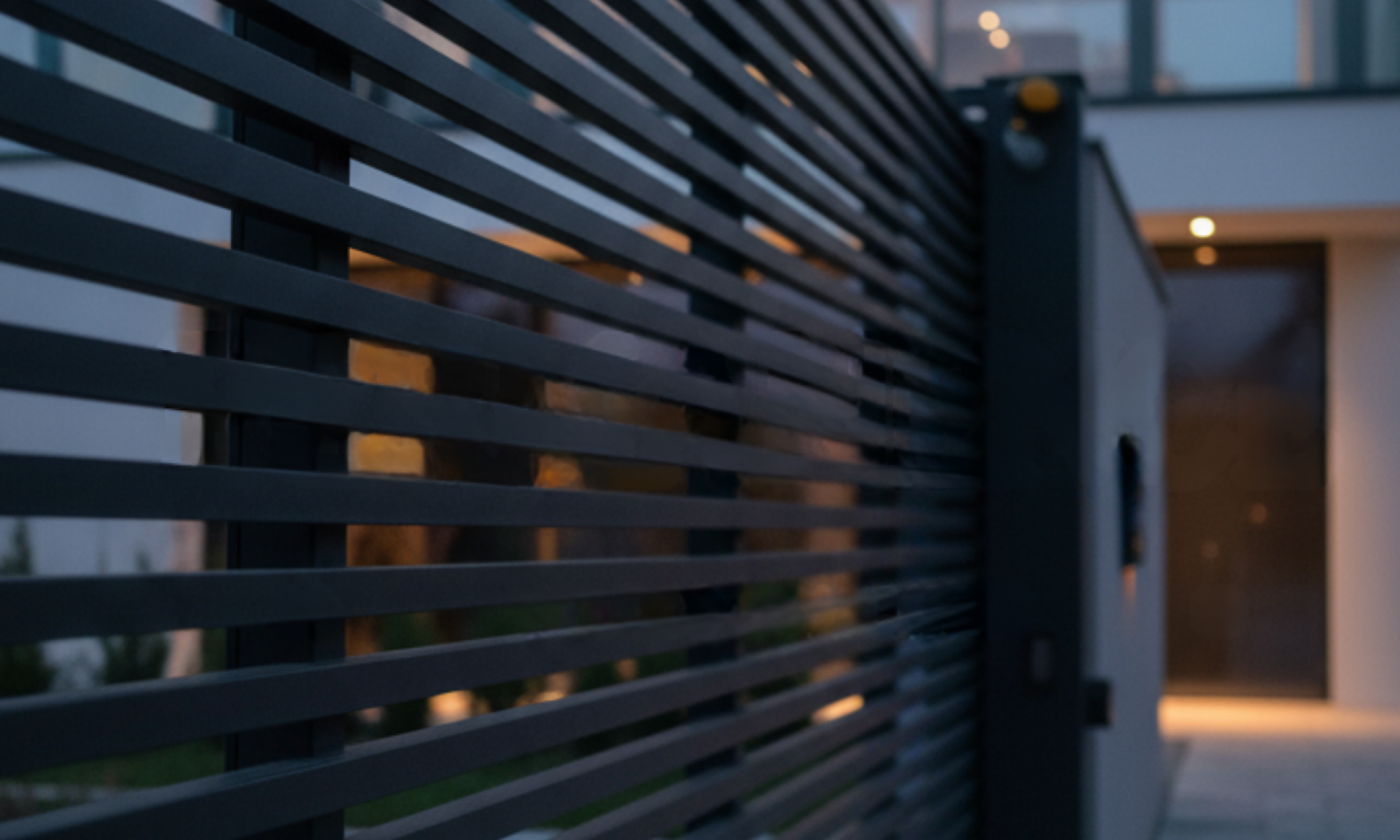
A good security fence creates a physical barrier while clearly marking ownership and access points. Vertical bar designs are a common choice because they offer visibility as well as protection. You can see through them, which helps with surveillance and gives a less closed-in appearance than a solid panel. At the same time, the design can make climbing more difficult depending on the top detail, spacing and overall specification.

That is why the best result usually comes from looking at the whole system rather than just the fence panels on their own. If the fencing is secure but the gate is poorly matched, badly positioned or fitted without appropriate locking and access control, the perimeter is only doing part of its job.

Fencing, gates and access control should work together

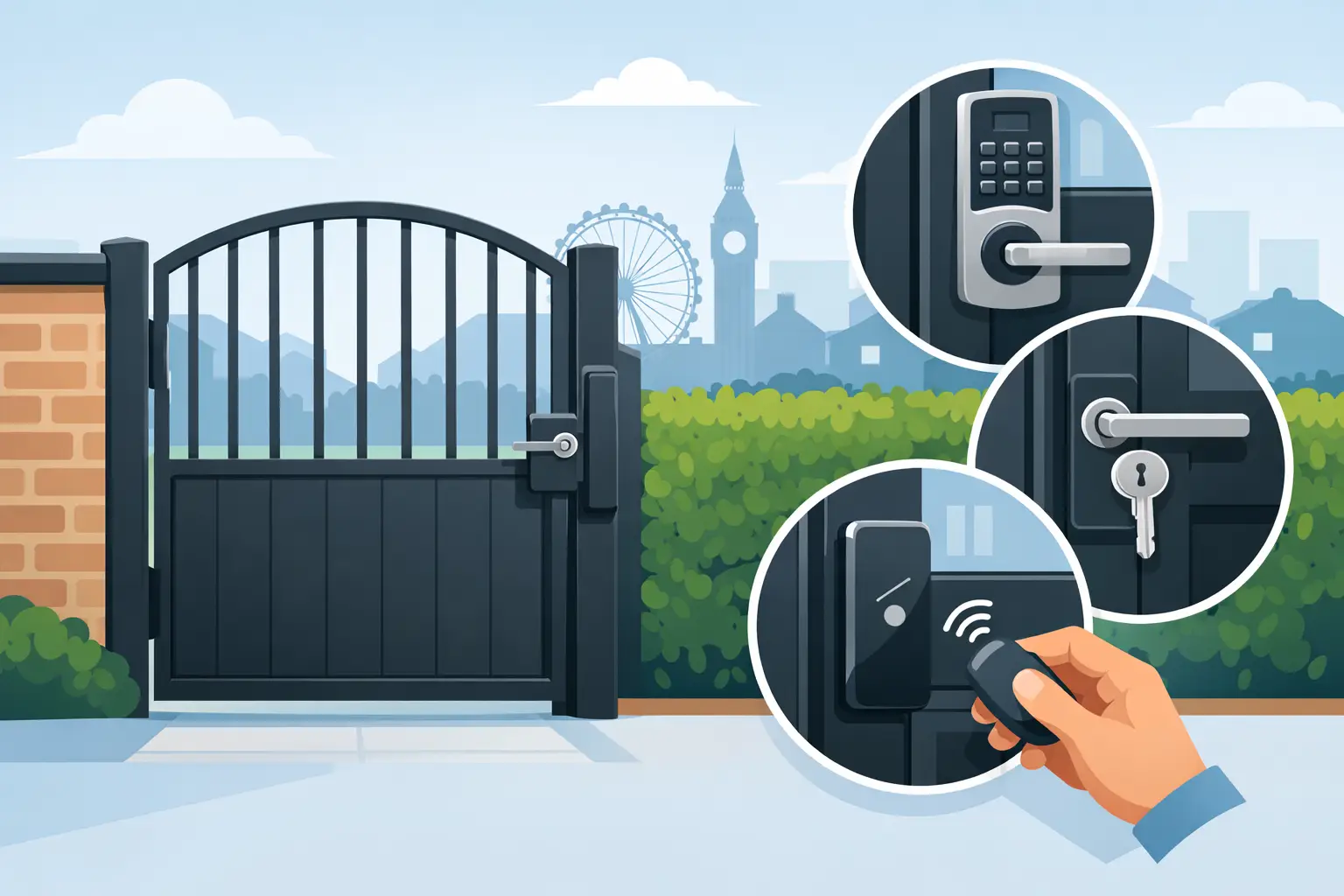
For residential properties, that might mean pairing fencing with a driveway gate or pedestrian gate that matches the style and finish. For commercial sites, it may involve automated gates, controlled entry points and intercom systems. The fencing sets the boundary, but the gate often handles the day-to-day security function.

This is where early planning makes a real difference. It is easier to achieve a neat, effective result when fencing, gates and any automation are considered together rather than sourced separately and made to fit later.

The practical benefits of aluminium

Low maintenance is one of the biggest reasons buyers choose aluminium. Unlike timber, it does not need repeated staining, painting or preservative treatment to stay in good condition. Unlike untreated or poorly protected steel, it is not prone to rust in the same way. For a busy homeowner or a commercial site manager, that reduction in ongoing work is a genuine benefit, not just a sales line.

Durability is another key factor. A well-made aluminium fencing system is built to stand up to daily use and changing weather without becoming a maintenance burden. That makes budgeting easier over the long term, because the upfront purchase is not followed by the same cycle of regular remedial work many buyers are used to with other materials.

Weight also matters more than people sometimes expect. Aluminium is lighter, which can help with handling, transport and installation. That does not mean every site is simple – sloping ground, awkward access and bespoke layouts all affect the job – but the material itself can be easier to work with than heavier alternatives.

Is aluminium security fencing right for every property?

It depends on what you need the fence to do.

If your main goal is privacy, a more solid boundary treatment may be part of the answer, either on its own or combined with secure gates and fencing elsewhere on the plot. Aluminium security fencing is often strongest where visibility, defined boundaries and controlled access matter most. Frontages, driveways, side access routes, flat developments, schools, light commercial units and managed sites are all common examples.

For high-risk environments, the specification will need to go further. Fence height, anti-climb features, gate hardware, access control and installation standards all become more critical. In those cases, material choice is only one part of the decision. The layout and security strategy matter just as much.

For many residential buyers, though, aluminium hits a useful middle ground. It gives a property a more substantial and secure feel than many basic boundary options while still supporting kerb appeal and keeping maintenance low.

Choosing the right style and specification

The most suitable fencing system usually comes down to four things: security level, appearance, budget and how the fence will integrate with gates.

A contemporary property may suit a sleek vertical-bar design with matching aluminium gates in a coordinated finish. A more traditional setting might call for decorative detailing that softens the look without losing the practical benefit of a strong perimeter. Commercial projects often lean towards simpler, more functional designs where consistency, scale and controlled access are the priority.

Colour choice also has an impact. Darker finishes are popular because they look modern and tend to sit well against brick, render and landscaping. That said, the right finish depends on the building style and the impression you want to create. Fencing is highly visible, so it should complement the property rather than compete with it.

Bespoke or readymade?

This is often one of the most important buying decisions. Readymade options can work well where the layout is straightforward and speed matters. Bespoke fencing is often the better route for projects with unusual widths, level changes, specific design requirements or the need to match existing gates and railings.

There is no universal right answer. A homeowner improving a standard front boundary may be well served by a simpler solution. A developer, architect or site manager working to a set specification will often benefit from a made-to-order approach that removes compromise later.

Installation matters as much as the product

Even high-quality fencing can disappoint if the installation is poor. Post spacing, levels, ground conditions and fixing methods all affect how the finished perimeter looks and performs.

This is particularly important on larger runs or where gates are being integrated into the design. If alignment is off, the whole frontage can look untidy. If levels are not managed correctly, security gaps or awkward transitions can appear. That is why experienced advice at the selection stage is valuable, especially for buyers who are comparing options across price points.

Good support should help you think beyond the product brochure. It should cover what is being secured, how the site is used, whether automation or intercom entry is planned, and what level of finish is expected once the project is complete.

Cost, value and the long view

Price always matters, but it should be judged against lifespan, maintenance and overall finish rather than initial outlay alone.

Aluminium security fencing may not always be the cheapest option on day one. However, when you factor in lower maintenance, resistance to weather-related deterioration and the visual value it adds to a property, it often compares very well over time. For commercial buyers, reduced maintenance can also mean less disruption and a more predictable cost profile. For homeowners, it can mean fewer weekends spent repairing, repainting or replacing tired boundary materials.

Clear pricing is important here. Buyers should understand what is included, where bespoke elements affect cost, and whether matching gates, access control or installation support are part of the wider project. Straightforward advice helps prevent false comparisons between systems that may look similar at first glance but differ significantly in finish, design flexibility or long-term performance.

A smart choice when you want security without the upkeep

Aluminium security fencing appeals to a wide range of buyers for a simple reason. It answers practical concerns without forcing a compromise on appearance. It can help secure a boundary, support a coordinated entrance design and reduce the maintenance demands that often come with more traditional materials.

Whether the project is a residential frontage, a managed development or a commercial perimeter, the best result comes from choosing a system that suits the property, the level of security required and the way the entrance will be used day to day. If you get those details right from the start, the fence does more than mark a boundary – it becomes part of a smarter, more reliable long-term solution.

Aluminium Sliding Gates for Secure Access

Aluminium Sliding Gates for Secure Access

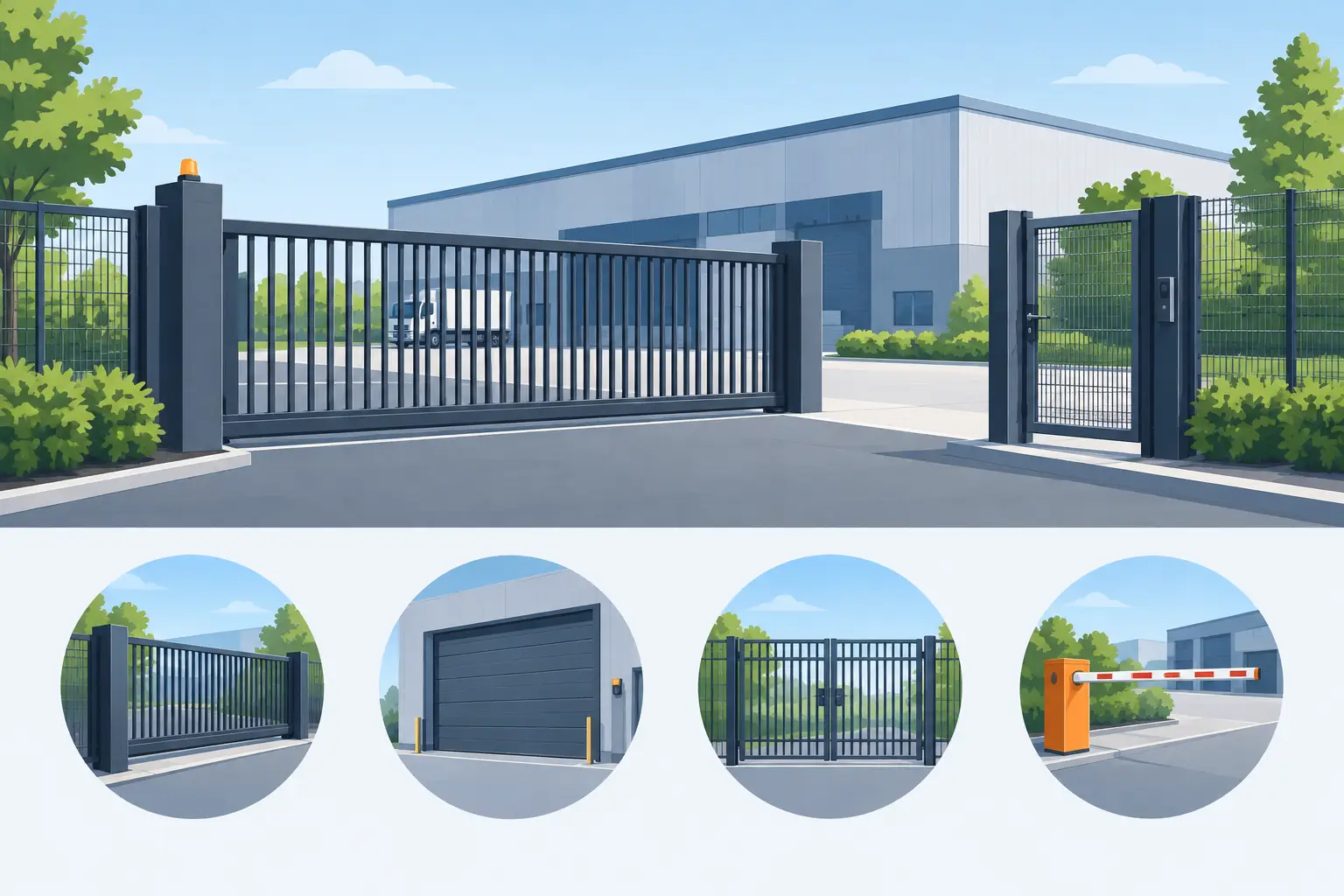
When driveway space is tight or a site entrance needs reliable, controlled access, aluminium sliding gates are often the most practical answer. They open sideways rather than swinging in or out, which makes them well suited to sloping driveways, busy entrances and properties where every metre counts. For homeowners and commercial buyers alike, that combination of security, appearance and ease of use is hard to ignore.

The real advantage is not just the opening method. It is what aluminium brings to the gate itself. Compared with heavier materials, aluminium gives you strength without unnecessary weight, which helps with day-to-day operation and supports smoother automation. It also avoids the regular upkeep that comes with timber and the corrosion concerns that can affect untreated steel.

Why choose aluminium sliding gates?

A sliding gate needs to work consistently. It has to move cleanly, withstand regular use and continue looking smart at the front of a property or business premises. Aluminium suits that job particularly well because it is lightweight, durable and naturally resistant to rust.

For residential properties, that means a driveway gate that improves kerb appeal without creating a maintenance project for years to come. For commercial settings, it means a perimeter solution that can handle frequent operation while maintaining a professional appearance. In both cases, the lower weight of aluminium can reduce strain on automation systems when compared with heavier gate materials.

That said, the right gate is never only about material. Layout, opening width, ground conditions, privacy needs and the level of access control all matter. A well-specified sliding gate should match the property, not simply fill an opening.

Where sliding gates work best

Sliding gates are especially useful where swing gates are restricted by space or terrain. If a driveway rises sharply from the road, a pair of swing gates can become awkward very quickly. A sliding system avoids that issue because the gate travels across rather than needing an arc to open.

They are also a strong option for wider entrances. On larger domestic driveways, private roads and commercial yards, a sliding gate can provide a clean, controlled opening without the visual bulk of oversized swing leaves. If automation is part of the project, sliding systems often feel more predictable in daily use, particularly on high-traffic entrances.

There are trade-offs. A sliding gate needs lateral run-back space, so there must be enough clear room along the fence line or boundary wall for the gate to travel. If that space is limited, a cantilever or alternative gate design may need to be considered. This is why early measurement and proper advice matter.

Design options for aluminium sliding gates

One of the most common assumptions is that sliding gates look purely functional. In reality, modern aluminium sliding gates can be specified in a wide range of styles, from simple horizontal designs to more traditional or decorative layouts.

For homeowners, privacy is often a priority. A close-board effect or solid infill design can reduce visibility from the road while creating a sharp, contemporary finish. Other customers prefer spaced rails or open-bar styles that keep the entrance lighter in appearance and preserve visibility. The right choice depends on the balance between privacy, security and the character of the property.

For developers and architects, the appeal is often consistency. Aluminium allows gate and fencing designs to be coordinated across a project, creating a more complete perimeter solution. On commercial sites, appearance still matters, but practical considerations such as visibility, access control and frequency of use usually lead the specification.

Colour also plays a bigger part than many buyers expect. Anthracite grey remains a popular choice for modern homes and commercial premises, but bespoke powder-coated finishes can help a gate sit comfortably against brick, render, cladding or existing metalwork. A made-to-order gate can therefore feel integrated rather than added as an afterthought.

Security and automation considerations

A gate should make access easier for the right people and harder for everyone else. That sounds obvious, but it is where many projects succeed or fail. The gate itself is only one part of the system. Track design, motor choice, safety features, intercom access and site usage all need to work together.

For domestic properties, automation is often about convenience as much as security. Being able to open the gate from the car, manage visitor access and avoid stepping out in poor weather makes a real difference in daily use. Intercom systems can add another level of control, particularly on larger plots or properties set back from the road.

On commercial sites, priorities are often different. Access may need to be managed for staff, delivery vehicles and visitors at different times of day. The gate may be opening far more frequently than a domestic installation, which makes duty cycle and system durability more important. Safety edges, photocells and reliable controls are not optional extras in these environments – they are part of a sensible specification.

This is also where aluminium’s lower weight can be beneficial. A lighter gate can support efficient automation and smoother performance, although the final setup must still be matched properly to the opening size, usage level and site conditions.

Bespoke or readymade?

Not every project needs a fully bespoke gate, but many benefit from one. If you have a standard opening and straightforward access requirements, a readymade solution may be the quickest and most cost-effective route. It can still deliver the key benefits buyers want from aluminium – strong construction, low maintenance and a smart finish.

Bespoke sliding gates become more valuable when the brief is more specific. That might mean an unusual width, a sloping site, a requirement to match existing fencing, or a design that needs to complement the style of the property. It can also mean integrating automation and access control from the outset rather than treating them as add-ons later.

For trade buyers and developers, bespoke supply often makes more sense because it reduces compromise across a wider project. For individual homeowners, it often comes down to whether appearance and fit are just as important as function. In many cases, they are.

What to consider before buying

The most straightforward gate projects still benefit from asking the right questions early. How much run-back space is available? Is the entrance level, sloped or uneven? Do you need privacy, or is visibility more useful? Will the gate be manually operated or automated from day one?

It is also worth thinking about how the gate will be used over time, not just on installation day. A family home may later need more convenient visitor access. A commercial site may add traffic flow demands or tighter access control. Choosing a gate with the right structure and support for future automation can save cost and disruption later.

Budget matters too, but a sliding gate should be judged on whole-life value rather than headline price alone. A cheaper option that requires more upkeep, offers limited design flexibility or is not properly matched to the site can prove more expensive in the long run. Fair pricing is important, but so is getting a gate that genuinely fits the job.

Installation support matters

Even the best gate product depends on correct installation. Alignment, track preparation, support posts, automation setup and safety calibration all affect how a sliding gate performs. A gate that looks right on paper can become problematic if the groundwork or fitting is poor.

That is why buyers often benefit from working with a specialist supplier that can guide specification and support installation through experienced partners. For customers across the UK, this makes the process easier to manage, especially where automation and access control are part of the project. Aluminium Gates Direct supports customers in exactly that way – helping them choose a suitable gate solution and connect product supply with practical installation requirements.

Aluminium sliding gates as a long-term investment

A gate sits at the front line of a property. People notice it first, use it regularly and rely on it to do its job in all seasons. Choosing aluminium is not simply about buying a modern-looking product. It is about reducing maintenance, improving everyday access and investing in a gate that keeps performing.

For some customers, the priority is a smarter driveway with less upkeep. For others, it is secure commercial access with dependable automation. In both cases, the best result comes from matching gate design, site conditions and system specification properly from the start.

If you are weighing up options for a residential or commercial entrance, it helps to treat the gate as part of the wider perimeter solution rather than a standalone purchase. A well-chosen sliding gate should feel right every time it opens, and still feel like the right decision years later.

Choosing Aluminium Pedestrian Gates

Choosing Aluminium Pedestrian Gates

A pedestrian gate often gets used more than any other entrance on a property. It is the gate visitors see up close, the one you pass through every day, and the detail that can either tie a frontage together or make it feel unfinished. That is why aluminium pedestrian gates deserve the same level of thought as a driveway gate or full perimeter scheme.

For many UK homeowners and commercial buyers, the appeal is straightforward. Aluminium gives you a gate that looks smart, stays looking smart, and does not ask for the ongoing upkeep that comes with timber or the rust concerns often associated with steel. But choosing the right gate is not only about material. It is about proportion, access, privacy, security and how the gate will work in day-to-day use.

Why aluminium pedestrian gates are such a practical choice

The biggest advantage of aluminium is that it suits real life. British weather is rarely kind to external joinery or metalwork, and a gate that looks good on installation day needs to cope with rain, frost, bright sun and general wear over time. Aluminium is naturally resistant to corrosion, which makes it a strong option for front gardens, side access points, residential developments and commercial entrances.

It is also lightweight compared with many alternatives, which matters more than people often expect. A lighter gate can reduce stress on posts, hinges and supporting hardware, especially on a frequently used access point. That does not mean it feels flimsy. A well-made aluminium gate still offers strength and stability, but without the unnecessary weight that can affect long-term performance.

Low maintenance is another major reason buyers choose aluminium. There is no regular sanding, staining or repainting cycle to keep on top of. In most cases, occasional cleaning is enough to keep the finish looking presentable. For busy homeowners, landlords and site managers, that can make a real difference over the years.

Where a pedestrian gate fits into your overall scheme

A pedestrian gate should not be treated as an afterthought. On some properties it is a standalone feature, but on others it forms part of a wider run of fencing, railings or matching driveway gates. Getting that relationship right helps the whole frontage feel considered.

If your property already has aluminium railings or a driveway gate, a matching pedestrian gate creates continuity in line, finish and design. That is often the best route when kerb appeal matters. On the other hand, if the pedestrian entrance sits to the side of a house or at a rear access point, the priority may be practicality rather than visual impact. In that case, a simpler design may be the better fit.

For commercial settings, the gate often needs to balance presentation with control. A staff entrance, bin store access point or side passage gate may need a more functional design, but it still needs to look appropriate to the rest of the site.

Design choices that affect both appearance and function

Style matters, but it should always be tied to how the gate will be used. A fully boarded or infill-style gate can offer a higher level of privacy, which suits side access areas, garden entrances and properties on busy roads. An open design, such as vertical bars or decorative railings, can feel lighter visually and may be a better match for homes where openness is part of the frontage design.

Height is another important decision. A lower gate can be welcoming and attractive at the front of a property, particularly when paired with matching railings. A taller gate may be more suitable where security and screening are higher priorities. Neither option is automatically right. It depends on whether you want to create a visual entrance feature, protect a private side passage, or restrict unauthorised access.

Colour and finish also have a big effect. Many buyers choose anthracite grey, black or other neutral tones because they suit both modern and traditional properties. That said, bespoke colour options can work well if you are trying to match existing metalwork, windows or architectural details. The key is to choose something that will still feel right in a few years’ time, not just on the day it is fitted.

Bespoke or readymade?

This usually comes down to timescale, budget and how specific your requirements are. A readymade gate can be an efficient option if you have a straightforward opening and want a quicker route to installation. Bespoke gates make more sense when you need precise sizing, a particular design, or a coordinated look across multiple elements.

For developers, architects and trade buyers, bespoke supply can also help when a project has planning considerations, fixed opening widths or a wider perimeter package that needs consistency. For homeowners, the value of a made-to-order gate is often in getting a better fit both visually and practically.

Security, access and the details that matter

A pedestrian gate needs to do more than swing open and shut. The locking method, latch position, hinge quality and post arrangement all affect how secure and convenient the gate feels to use.

For a residential side gate, a simple lockable setup may be enough. For front access, you may want a more refined latch and handle arrangement that feels easier for daily use. On commercial sites or larger homes, access control can be part of the specification from the start, especially where the gate needs to work with intercoms or controlled entry systems.

The surrounding structure matters too. A strong gate fitted to weak posts or poor boundary details will never perform as well as it should. That is why it helps to look at the whole opening rather than the gate panel alone. Ground levels, post fixing positions, wall conditions and clearance space all need to be considered before manufacture or installation.

Manual or automated access?

Most pedestrian gates remain manual, and for many applications that is exactly right. They are simple, reliable and cost-effective. However, there are situations where a more controlled access arrangement makes sense, particularly on commercial premises, flat schemes or high-spec residential projects.

If the gate forms part of a wider automated entrance setup, integrating it with intercom or access control systems can improve convenience and site management. This is especially useful where you need to manage visitor access without compromising perimeter security. The right solution depends on traffic levels, the type of users and whether the gate is part of a broader entrance package.

Installation considerations buyers should not overlook

Even a well-made gate can underperform if the installation is rushed or the opening has not been assessed properly. Accurate measurements are the starting point, but they are not the whole job. You also need to think about hinge clearance, the direction of swing, finished ground levels and whether the gate will open freely in all weather conditions.

On side paths and narrower access points, space can be tight. A gate that looks ideal on paper may be awkward in practice if it clashes with steps, bins, walls or sloping ground. This is where product guidance and installation planning become valuable. Small specification decisions made early can prevent expensive adjustments later.

For buyers managing larger projects across multiple plots or units, consistency is another issue to address. Matching heights, finishes and ironmongery across a scheme helps maintain a professional result and can simplify ongoing maintenance.

Cost, value and what you are really paying for

Price always matters, but the cheapest gate is not necessarily the most cost-effective choice over time. With aluminium, part of the long-term value is in reduced maintenance and durability. A gate that does not need frequent treatment, respraying or repair can work out better value than a lower-priced alternative that demands more attention.

Specification affects cost as well. Bespoke sizing, upgraded locks, decorative detailing, automation compatibility and premium finishes can all increase the price. That is not a reason to avoid them. It simply means the gate should be matched to the property and the budget with clear priorities in mind.

Some buyers want the cleanest and most economical solution for a side entrance. Others need a pedestrian gate that makes a design statement at the front of a home or complements a larger architectural scheme. Both are valid. The right choice is the one that fits the job properly.

Making the right choice with confidence

The best aluminium pedestrian gates are the ones that solve the practical need while still looking right for the setting. That might mean a simple, secure side gate with minimal maintenance. It might mean a bespoke entrance gate designed to match railings and driveway gates across a full frontage. In either case, the details matter.

At Aluminium Gates Direct, that usually starts with a straightforward conversation about the opening, the design preference, the level of privacy required and whether the gate needs to work as part of a wider entrance or perimeter solution. Once those points are clear, choosing becomes much easier.

A good pedestrian gate should feel like a natural part of the property from day one – secure, well-proportioned and easy to live with for years to come.

Aluminium Garden Gates for Style and Security

Aluminium Garden Gates for Style and Security

A garden gate has a simple job on paper – mark an entrance, provide privacy, add a layer of security. In practice, it does much more than that. The right aluminium garden gates can sharpen the look of a front path, finish a side access route properly and save years of upkeep compared with timber or steel.

For many property owners, the real question is not whether a gate is needed, but what type will still look good and perform well after years of British weather. That is where aluminium stands out. It gives you a smart, strong and low-maintenance solution without the regular painting, swelling, rust treatment or weight issues that can come with more traditional materials.

Why aluminium garden gates are a practical long-term choice

A gate is exposed to everything the weather can throw at it. Rain, frost, bright sun, wind-driven dirt and day-to-day knocks all take their toll. Timber can warp, split or soften over time if it is not maintained properly. Steel is strong, but if the protective finish breaks down it can become vulnerable to corrosion.

Aluminium offers a different balance of benefits. It is lightweight compared with steel, but still strong enough for domestic and many commercial applications. It does not rust, and when powder-coated to a good standard it keeps its appearance with very little intervention. For homeowners, that usually means less time spent sanding, staining or repainting. For developers and site managers, it means a smarter asset with lower ongoing maintenance demands.

That low-maintenance appeal is often what tips the decision. A gate may be a one-off purchase, but the labour and cost attached to upkeep continue long after installation. If you want something that looks tidy with little more than occasional cleaning, aluminium is hard to overlook.

Where aluminium garden gates work best

Garden gates are not all doing the same job, so the right specification depends on where the gate will sit and how it will be used. A side gate between the front and rear of a house needs to be secure, neat and easy to operate daily. A gate leading into a landscaped front garden might place more emphasis on appearance and matching railings or fencing.

In residential settings, aluminium garden gates are often chosen for side passages, rear access points, bin store screening and pedestrian entrances. They suit both traditional and contemporary properties because the design options are broad. You can keep the look simple with clean horizontal or vertical lines, or introduce more decorative detailing if the property calls for something softer or more ornate.

For larger developments, blocks of flats and managed properties, aluminium gates also make sense because they provide consistency. Matching multiple gates across a site is easier when working from a clear product range or bespoke manufacturing route, and the reduced maintenance requirement is a genuine advantage for long-term property management.

Design choices that affect performance as much as appearance

A garden gate should look right, but the specification behind it matters just as much. Size, privacy level, frame design, infill style and finish all affect how the gate will perform.

Solid or closely boarded-style aluminium designs are popular where privacy is a priority. They can help shield side access routes or create a cleaner visual barrier between public and private space. Open-bar or spaced infill designs are often preferred where visibility matters more, or where you want a lighter look from the street.

Height is another practical decision. A lower gate may be enough to define a front boundary, while a taller side or rear gate can provide more security and screening. The ideal height often depends on the property layout, neighbouring boundaries and whether the gate is intended mainly as a visual feature or a stronger access control point.

Then there is colour. Black, anthracite grey and white remain popular for good reason – they work with a wide range of brickwork, render and landscaping styles. But bespoke colour options can be worthwhile if you are matching existing joinery, railings or architectural features. The finish should not feel like an afterthought. A well-chosen powder-coated finish helps the gate sit naturally within the wider property rather than looking added on.

Bespoke or readymade – which makes more sense?

This is one of the most common buying decisions, and it depends on the property, the opening and the level of design control you want.

A readymade gate can be the right answer if the opening is straightforward and you want to keep the process moving. It can offer a practical route for homeowners or trade buyers working to a clear budget and timescale. If the dimensions fit and the style suits the property, there is no reason to overcomplicate the decision.

Bespoke aluminium garden gates are usually the better fit when the opening size is unusual, the ground levels are awkward, or the design needs to match existing perimeter products. Custom manufacture also gives more freedom on height, width, infill pattern, decorative details and colour. That matters when the gate is highly visible or part of a wider entrance scheme.

There is a cost difference, of course, and bespoke is not always necessary. But where standard sizes create compromise, a made-to-order gate can save trouble later and deliver a more finished result.

Security matters, but so does everyday usability

Most customers want a garden gate to improve security, but that should not come at the expense of daily convenience. A gate that is too heavy, awkward to latch or poorly aligned quickly becomes frustrating.

One of aluminium’s strengths is its lower weight. That can make opening and closing easier, reduce strain on posts and hinges, and support better long-term operation. For pedestrian gates used multiple times a day, that usability makes a real difference.

Locking options also need to suit the site. A simple latch may be fine for an internal garden divide, while a side access gate to the rear of a property usually needs a more secure locking arrangement. For commercial or higher-spec residential projects, access control can be taken further with automation and intercom integration, although that tends to be more common on larger entrance gates than smaller garden gates.

The key is to match the level of security to the level of risk and use. More hardware is not always better. The right hardware is what matters.

Installation is just as important as the gate itself

A quality gate can only perform properly if it is installed correctly. Posts need to be suitable for the gate size and weight, fixings need to suit the wall or ground condition, and clearances need to be set properly so the gate opens and closes without catching or dropping.

This is where experienced guidance matters. A narrow opening, sloping driveway edge or uneven boundary line can change the best approach entirely. In some cases, what looks like a simple gate replacement turns into a wider conversation about posts, adjoining fencing or access width.

For homeowners, that can be difficult to judge without specialist advice. For builders, developers and architects, it is often about making sure the product specification aligns with the site conditions from the start. Getting those details right early helps avoid delays, rework and disappointing finishes later.

How to choose the right supplier for aluminium garden gates

Not all gates that look similar on screen are equal in build quality, finish or support. It is worth looking for a supplier that can explain the difference between readymade and bespoke options clearly, advise on suitability rather than pushing a single route, and provide transparent pricing from the outset.

Product range also matters. If a supplier understands garden gates in the wider context of fencing, railings, driveway gates and access control, it is usually easier to create a coordinated result. That is particularly useful for customers planning a full perimeter upgrade rather than a standalone gate.

Support should feel practical, not vague. Whether you are a homeowner buying your first gate or a trade customer working to specification, you should be able to discuss dimensions, styles, finishes, lead times and installation options with someone who understands what will work on site. That is the value of dealing with a specialist such as Aluminium Gates Direct rather than treating the gate as a generic online purchase.

A well-chosen garden gate should not become another maintenance job waiting to happen. It should fit the opening properly, suit the property and keep doing its job without demanding constant attention. If you are weighing up your options, aluminium is worth serious consideration – not because it is fashionable, but because it solves the practical problems that cause frustration later.

Choosing Ornate Aluminium Gates for Your Home

Choosing Ornate Aluminium Gates for Your Home

The right gate changes how a property feels before anyone reaches the door. It shapes first impressions, frames the entrance and adds a sense of security that needs to work every day, not just look good on a brochure. That is why ornate aluminium gates appeal to so many homeowners, developers and commercial buyers – they offer decorative detail without the upkeep that often comes with more traditional materials.

For some buyers, the priority is appearance. They want scrollwork, finials or a more classic design to suit a period-style home, a smart driveway or a formal entrance. For others, the attraction is more practical. They want a gate that looks substantial, resists weathering and does not demand regular sanding, repainting or rust treatment. Aluminium makes that balance much easier to achieve.

Why ornate aluminium gates make sense

A decorative gate should do more than look attractive. It needs to stand up to daily use, changing weather and the general wear that comes with being the most used part of a boundary line. Aluminium is well suited to this because it is lightweight, strong and naturally resistant to corrosion.

That matters in the UK, where gates face rain, frost, wind and long periods of damp conditions. A traditional wrought iron style can be visually impressive, but it often brings more maintenance than many buyers expect. Timber can also look excellent, but it needs ongoing care to keep it in good condition. Ornate aluminium gates give you the decorative look many people want, while reducing the long-term work needed to keep the entrance looking smart.

Weight is another practical advantage. A lighter gate places less strain on posts, hinges and automation equipment. That can be useful for wider driveway gates, frequent-use entrances and projects where reliability matters just as much as appearance. Lightweight does not mean flimsy – good aluminium gates are designed to provide strength and stability while remaining easier to handle than many steel alternatives.

The difference between ornate and overdesigned

Decorative gates work best when the detailing suits the property. A common mistake is choosing a style that is too busy for the setting. An ornate design should add character, not dominate the frontage.

On a traditional property, more elaborate scrolls, cast details and shaped tops can sit naturally with brick pillars and established landscaping. On a newer home, a cleaner decorative pattern may be the better choice. You still get the visual lift of an ornate gate, but with lines that feel more in keeping with modern architecture.

This is where bespoke design can make a real difference. Standard options suit many openings, but not every entrance has the same proportions, surroundings or planning considerations. A made-to-order gate allows you to tailor the level of detail, the height, the width and the finish so the end result feels considered rather than forced.

Ornate aluminium gates for driveways and entrances

Driveway gates are often where ornate styles have the biggest impact. They are prominent, they add kerb appeal and they can lift the overall presentation of a property very quickly. If the entrance is wide and open, an ornate design can help create a stronger sense of structure and presence.

That said, style should always be matched to function. A pair of swing gates may suit a level driveway with enough clearance, while a sliding gate may be more practical where space is tighter or where the entrance opens onto a busy road. The decorative element can be worked into both formats, but the design needs to account for how the gate will move and how often it will be used.

Height also matters. A lower gate may be ideal if the focus is appearance and marking the boundary. A taller gate can provide more privacy and a stronger security presence. There is no single right answer – it depends on whether the property needs openness, screening or a balance of both.

Finish, colour and detail

The finish of an ornate gate can change the whole look. Black remains a popular choice because it gives a classic appearance and suits both traditional and modern settings. Grey tones, including anthracite, can feel more contemporary while still working well with decorative features.

The texture and sheen of the finish are worth thinking about too. A matte or satin finish often gives a more refined result than a high gloss surface, especially on detailed designs. Decorative features such as spear tops, rings, scrollwork and shaped rails should complement the gate rather than compete with one another.

If the gate is part of a wider boundary project, it is sensible to think about railings, fencing and pedestrian access at the same time. Matching or coordinating these elements usually gives a more professional result. It can also make installation and automation planning more straightforward.

Security and automation without losing style

A decorative gate still needs to perform as a security product. That means considering locking, access control and how the gate integrates with the rest of the perimeter. For residential buyers, this may involve keypad entry, remote opening or an intercom. For commercial and multi-occupancy sites, the requirement may be more focused on traffic management, controlled access and reliability under heavier use.

The good news is that ornate designs do not rule out automation. In fact, aluminium is often a very practical choice for automated gates because the lower weight can support smoother operation and reduce wear on motors and hardware. The gate still needs to be properly specified for automation, of course, particularly in terms of size, hinge geometry and usage levels.

A good supplier will help you look at the full picture rather than treating automation as an afterthought. That includes the gate design, the opening type, the control method and any safety requirements. When these decisions are made early, you are less likely to face compromises later.

What to check before you buy ornate aluminium gates

Measurements are the obvious starting point, but there is more to a successful purchase than width and height. Ground levels, pillar condition, hinge positions and available run-back space all influence what will work best. If the site is uneven or restricted, that can affect whether swing or sliding gates are the better option.

It is also worth being clear on whether you need a fully bespoke solution or whether a readymade gate can do the job. Bespoke is often the right route for unusual openings, specific architectural styles or buyers who want full control over decorative details. Readymade options can be an excellent fit where timescales are tight and the opening is straightforward.

Budget should be looked at in terms of total value, not simply purchase price. A cheaper gate that requires more maintenance or early replacement may not save money over time. Aluminium tends to compare well when you factor in reduced upkeep, long service life and the benefit of a finish designed to last.

Ornate aluminium gates for residential and commercial projects

Although ornate designs are often associated with private homes, they can also work well in commercial settings. Residential developments, flat buildings, schools, hospitality venues and premium business premises may all benefit from a more decorative entrance if presentation matters alongside access control.

The level of ornamentation usually shifts depending on the site. A domestic driveway may suit more visible detailing and a softer aesthetic. A commercial entrance often calls for a cleaner design with selective decorative features rather than a highly traditional look. The principle is the same in both cases – the gate should support the character of the property while meeting practical access and security needs.

For trade buyers, developers and architects, supplier support is especially important. Product choice, manufacturing lead times, installation coordination and automation planning all need to align with the wider programme. Working with a specialist such as Aluminium Gates Direct can make that process easier, particularly when a project needs a mix of bespoke design, dependable supply and access to nationwide installation support.

Getting the balance right

The best ornate gate is not always the one with the most detail. It is the one that suits the property, performs reliably and still looks right years after installation. That may mean a grand entrance with decorative flourishes, or it may mean a simpler design with just enough ornamentation to lift the frontage.

If you are comparing options, take time to think about how the gate will be used every day, what level of maintenance you are comfortable with and how the design fits the building around it. A well-chosen gate should feel like part of the property rather than an add-on. When style, durability and practical design come together, ornate aluminium gates can offer exactly that.

Readymade Aluminium Gates: Are They Right?

Readymade Aluminium Gates: Are They Right?

If you need a gate quickly, but do not want to compromise on appearance, durability or long-term value, readymade aluminium gates are often the first option worth serious consideration. For many UK homeowners and trade buyers, they strike the right balance between speed, cost control and a clean, modern finish without the upkeep that comes with timber or the weight and corrosion issues often associated with steel.

That said, a readymade gate is not automatically the right gate. The best choice depends on your opening size, the look you want, whether automation is planned, and how much flexibility you need on design. Getting those details right at the start usually saves time, money and frustration later.

Why readymade aluminium gates appeal to so many buyers

The main attraction is simple – they are ready to order in standard sizes and proven designs, which can shorten lead times compared with a fully bespoke solution. If you are replacing tired timber driveway gates, upgrading a garden entrance or trying to keep a project moving on site, that matters.

Aluminium itself is a strong fit for this kind of product. It is lightweight compared with steel, which helps with handling, installation and automation. It also does not rust, and it needs very little maintenance to keep it looking smart. For busy homeowners, landlords and commercial buyers, that low-maintenance benefit is often just as important as the initial purchase price.

There is also the question of appearance. A well-made aluminium gate can deliver crisp lines, consistent finishes and a more premium look than many people expect from an off-the-shelf option. Powder-coated finishes in popular colours make it easier to match modern and traditional properties alike, provided the design has been chosen carefully.

Where readymade aluminium gates work best

Readymade aluminium gates are well suited to projects where the opening is close to a standard size and the priority is reliable supply rather than full customisation. This could be a driveway entrance on a new-build plot, a side access gate at a renovated home, or a garden gate where the dimensions are straightforward.

They can also make sense for developers and builders working across multiple plots. Standardised sizes and designs help simplify specification, purchasing and installation. If consistency across a development matters, or if timelines are tight, a readymade model can be far easier to manage than ordering each gate as a one-off.

For commercial properties, the answer is more mixed. A readymade gate may be suitable for pedestrian access points, bin store areas or lower-risk perimeter sections. For higher-security entrances or sites requiring specific access control systems, traffic patterns or wider spans, a bespoke solution is often the better route.

When a bespoke gate may be the better choice

Speed and simplicity are valuable, but they are not everything. If your opening is an unusual width, the ground levels are awkward, or the gate needs to align with existing fencing, brick piers or railings, standard sizes can become limiting very quickly.

Design requirements matter too. Some customers want a particular infill style, a more ornate appearance, additional privacy, or a gate that reflects the proportions of the property more precisely. In those cases, bespoke manufacturing gives you more control over height, width, frame detail and finish.

Automation is another area where it depends. Many readymade aluminium gates can be automated, and aluminium’s lower weight is a real advantage here. But if your setup involves heavy usage, integrated intercoms, access control, safety features or a complex entrance layout, it is worth checking that the gate, posts and hardware are all suitable as a complete system rather than treating the gate as a standalone product.

What to check before buying readymade aluminium gates

The first step is always measurement. That sounds obvious, yet it is where many problems begin. You need the actual opening width, the available clearance for swing or slide operation, the finished ground level and any fall across the entrance. A gate that looks right on paper may not work on site if the levels or clearances are wrong.

Then consider how the gate will be used day to day. A pair of driveway gates for occasional domestic use has very different demands from an entrance serving multiple vehicles every day. Think about whether you need manual operation or automation, and whether pedestrians will use the same access point.

It is also worth looking closely at construction quality. Not all aluminium gates are made to the same standard. Ask about frame strength, finish quality, hardware compatibility and how the gate is intended to be installed. A low-maintenance material still needs a well-engineered design if it is going to perform properly over time.

Finally, think beyond the gate leaf itself. Posts, hinges, latches, locking options, automation equipment and intercom systems all affect the finished result. Buyers often focus on the gate because it is the visible part, but the supporting components are what determine how well the system works in practice.

Style, privacy and property type

One of the biggest misconceptions is that readymade means limited to a single modern look. In reality, there is usually a useful spread of styles, from sleek horizontal slats to more traditional vertical designs and semi-solid options that provide a greater sense of privacy.

For contemporary homes, simple lines and darker powder-coated finishes are a popular choice because they complement modern windows, doors and fencing. For period or more traditional properties, the right design can still work well, particularly when proportions are balanced and decorative details are used with restraint.

Privacy is another important consideration. Open designs can improve visibility and create a lighter look from the street, but they also expose the driveway or garden behind. More solid designs offer better screening, though they can appear heavier visually. The right answer depends on whether your priority is openness, security, screening or kerb appeal.

Installation matters as much as the product

Even the best gate will disappoint if it is installed badly. Posts must be set correctly, hinges aligned properly and clearances allowed for smooth operation. With automation, accurate installation becomes even more important because poor setup can put unnecessary strain on motors and hardware.

This is why proper support during selection is valuable. A specialist supplier should help you confirm suitability before you order, rather than leaving you to work it out from a basic size chart. For some buyers, supply only is exactly what is needed. For others, especially with driveway entrances and automated systems, installation support through experienced partners can make the process much more straightforward.

At Aluminium Gates Direct, this is where many customers benefit from a practical conversation early on. A gate may look like a simple purchase, but the right advice on sizing, style, posts and automation can prevent expensive adjustments later.

Cost versus value

Readymade aluminium gates are often chosen because they can be more cost-effective than bespoke alternatives, but the lowest upfront price is not always the best value. A cheaper gate that does not fit properly, does not match the property, or cannot support future automation may cost more in corrections and replacements.

The stronger value case for aluminium is usually long term. You are buying a material that does not require regular painting, is resistant to weathering and offers a strong strength-to-weight ratio. Over the years, that can compare very favourably with timber gates that need ongoing treatment or steel options that may require more attention to prevent corrosion.

For trade and commercial buyers, value also includes programme reliability. If a readymade gate helps keep a project on schedule, that has a practical financial benefit beyond the product price alone.

Making the right choice for your site

The most successful gate projects start with a clear view of what matters most. If your priority is quick supply, straightforward installation and low maintenance, readymade aluminium gates can be an excellent fit. If your entrance is unusual, your design brief is highly specific or the gate needs to work as part of a more complex automated access system, bespoke may be the wiser investment.

Neither option is better in every situation. What matters is choosing a gate that suits the opening, the property and the way it will be used. A standard product can be exactly right when the specification is right.

If you are weighing up your options, the best next step is not to guess – it is to get clear advice based on your measurements, your layout and your budget. A gate should solve a problem and improve the look of your property at the same time, and with the right guidance, it can do both without becoming a complicated purchase.