
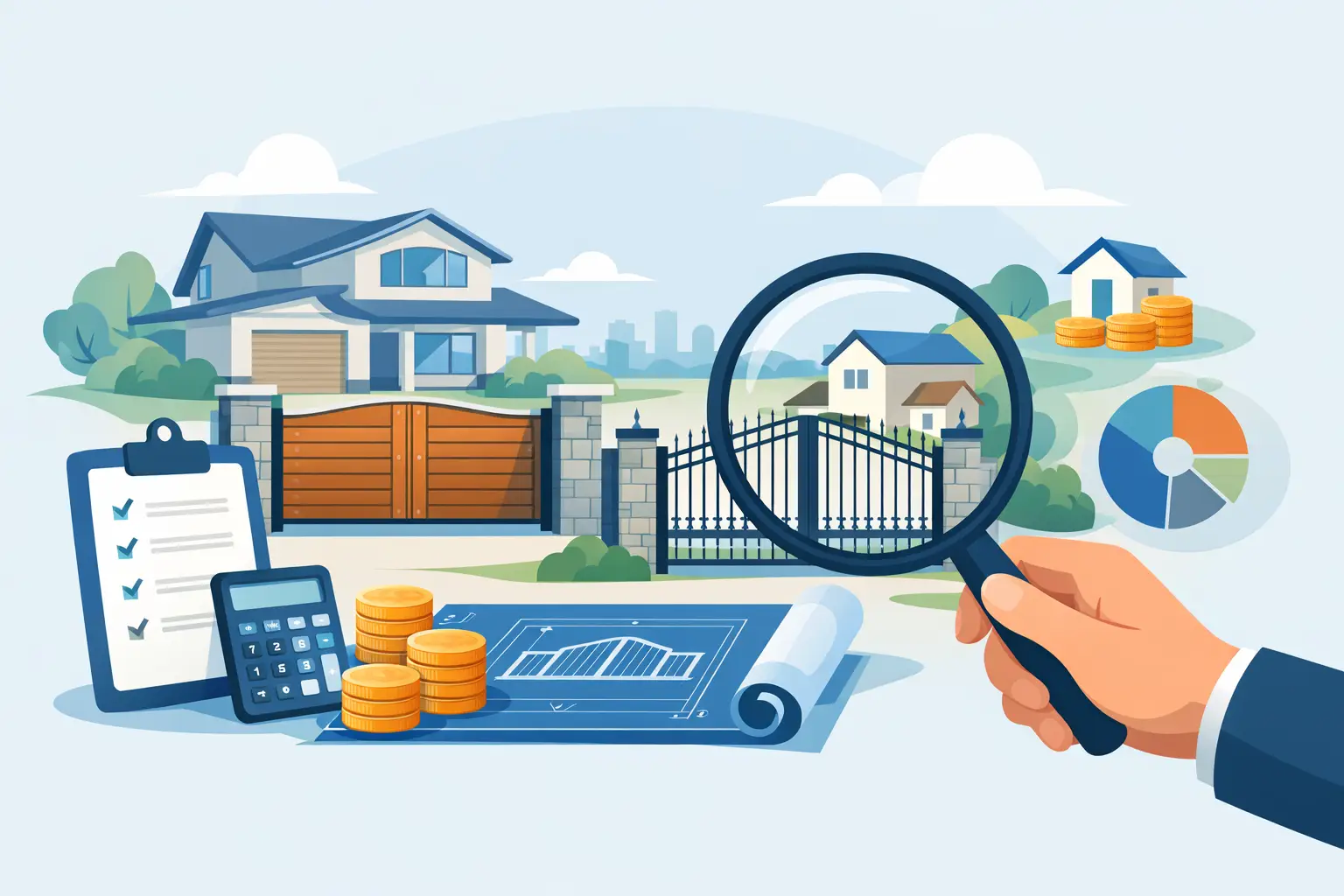
A driveway gate can look deceptively simple until the quotes start coming in. One price may cover a straightforward pair of manual gates, while another includes bespoke sizing, automation, intercom access and installation. That is why driveway gate prices explained properly matters – not just as a number, but as a breakdown of what you are actually paying for.
For most buyers, the real question is not “what is the cheapest gate?” but “what is the right gate for my entrance, budget and long-term use?” A gate that suits the property, works reliably and needs very little upkeep will usually offer better value than a lower upfront price that leads to compromises later.
Driveway gate prices explained: what changes the cost?
The biggest factor is specification. Two gates can look similar in a photograph and still be priced very differently once you account for dimensions, design detail, opening style and whether the gate is made to a standard size or built to order.
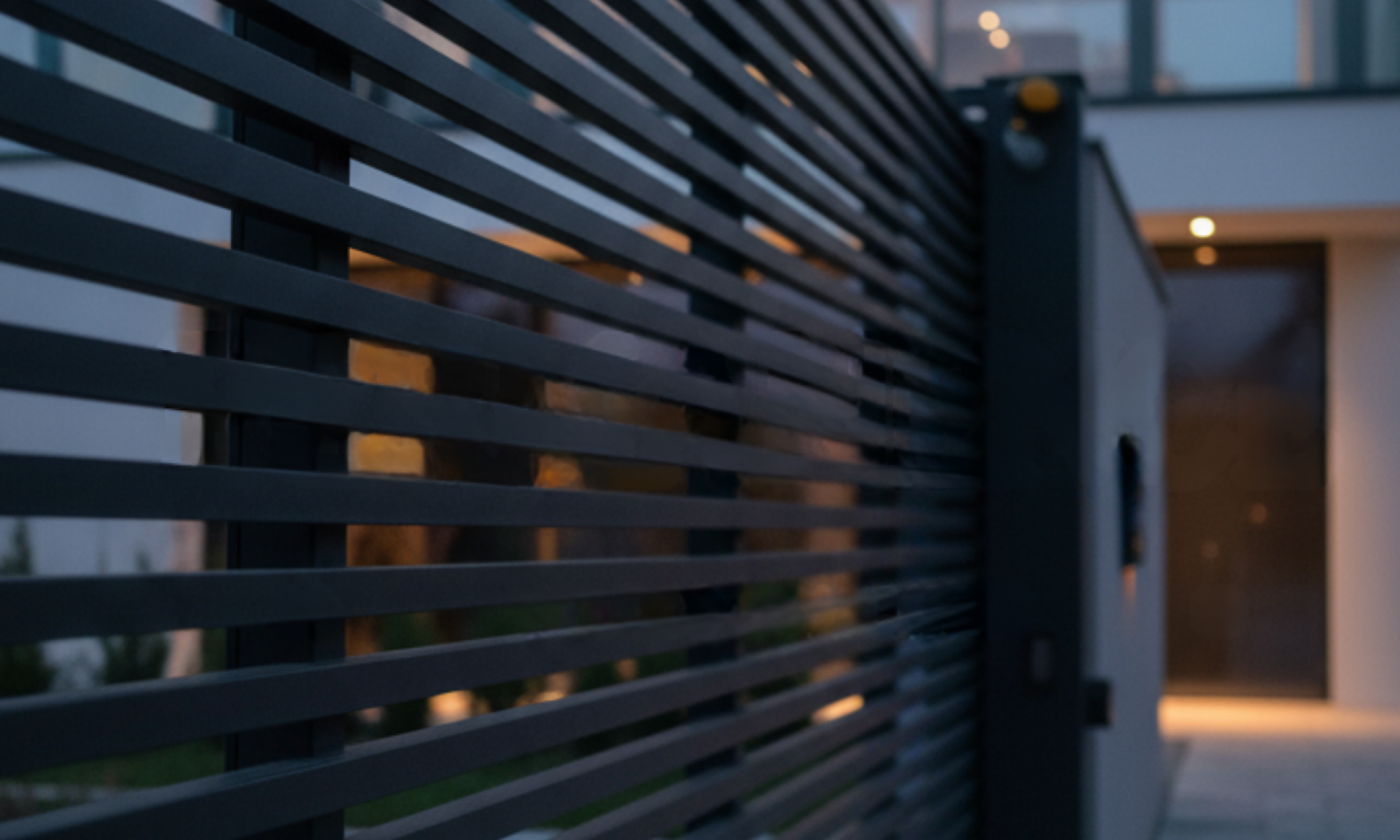
Material has a major influence too. Timber can appear attractive at first, but ongoing maintenance needs to be factored in. Steel offers strength, but weight, corrosion protection and long-term upkeep all affect the bigger picture. Aluminium often appeals because it is lightweight, strong and low maintenance, which can help reduce both day-to-day care and the load placed on automation equipment.
The width of the opening is another obvious driver of cost. A wider entrance requires more material and, in many cases, stronger posts, hinges or track systems. Height also matters, particularly where privacy or security is a priority. A taller gate usually means more material and a more substantial overall build.
Then there is the level of customisation. A readymade gate in a common size will usually be more budget-friendly than a bespoke gate designed around a specific entrance. Bespoke options are often the right choice where openings are unusual, where the property has a defined architectural style, or where the customer wants greater control over layout, detailing and finish.
Typical price ranges for driveway gates
It is always better to treat published prices as a guide rather than a promise, because site conditions and specification can move the figure up or down. Still, broad ranges are useful when budgeting.
For a manual driveway gate in a standard style and size, the starting point is usually lower than a fully bespoke automated system. Readymade aluminium gates can offer a good balance for buyers who want a clean, durable finish without the cost of a fully custom design. Once you move into made-to-measure gates, decorative features, matching side panels or non-standard dimensions, the price rises accordingly.
Automation is where many budgets change most noticeably. Motors, control boards, safety devices, remote access and intercom integration all add to the overall cost. That does not mean automation is only for high-end projects. It simply means that the convenience and security benefits need to be weighed against the extra investment.
Installation should also be treated as a separate cost unless clearly included. Supply-only pricing can look very competitive, but the total project cost may be higher once groundwork, posts, cabling and fitting are added.
The difference between readymade and bespoke gates
For many domestic properties, readymade gates are a sensible place to start. They can keep lead times shorter and costs more predictable, particularly if the opening suits standard sizing. If the goal is to improve kerb appeal, secure the boundary and avoid constant maintenance, this route often delivers strong value.
Bespoke gates come into their own when the entrance is unusual or the design requirements are more specific. That could mean a sloping driveway, a wide opening, a requirement for privacy boarding, or a need to match railings, fencing or an existing architectural style. Bespoke also allows for a closer fit, both visually and practically.
The trade-off is straightforward. Readymade can be more cost-effective and quicker to source. Bespoke gives more control over the final result, but costs more because the gate is being tailored around the project rather than selected off the shelf.
How opening style affects price
The choice between swing gates and sliding gates is not just about appearance. It can materially affect both product and installation cost.
Swing gates are often the simpler option where there is enough room for the leaves to open safely. They can be ideal for many residential driveways and are commonly selected for their traditional look and relatively straightforward operation.
Sliding gates are often chosen where space is limited, the entrance is wider, or there is a stronger focus on controlled access and security. They can be a very practical answer, especially on commercial sites or homes with awkward driveway layouts, but they usually involve more groundwork, more hardware and a more complex installation setup.
A sloping drive also influences the decision. In some cases, a swing gate may need a specific hinge arrangement or design adjustment. In others, sliding may be the better engineering solution. This is one of those points where a low headline price means very little without understanding the site.
Automation, intercoms and access control
Many customers begin by asking about gate prices and end up discussing how they want the entrance to work day to day. That is sensible, because convenience and access control are central to the value of the system.
An automated gate setup typically includes motors, safety photocells, control equipment and remote operation. Beyond that, you may want keypad access, GSM entry, vehicle detection loops or video intercom integration. For domestic properties, this often comes down to convenience and security. For commercial sites, it may be more about traffic control, auditability and reliable access for staff and visitors.
The key point is that automation is not a fixed add-on with a single price. The cost depends on the gate type, usage frequency, power supply, access method and safety requirements. A gate used a few times a day at a private home is a different proposition from a gate serving a busy development or business premises.
Installation costs are not all the same
One of the most common reasons buyers are surprised by final pricing is that installation conditions vary so much from one property to another.
If posts are already in place, the ground is level and power is available near the entrance, installation is usually more straightforward. If the project needs new posts, foundations, underground cabling, track preparation or remedial work to brick piers, labour and materials will increase.
Older properties can be especially variable. Existing pillars may look sound but need checking for stability and alignment before a new gate is fitted. Likewise, a driveway surface may need alteration to ensure safe gate movement and proper drainage.
This is why a transparent quote matters. It should distinguish between gate supply, automation equipment and installation-related works so you can see where the money is going.
Why aluminium often changes the value equation
When customers compare materials on price alone, they can miss the longer-term costs. Aluminium may not always be the lowest initial figure in every comparison, but it often performs strongly on value because it is resistant to rust, lightweight and designed for minimal upkeep.
That matters in the UK climate. Rain, frost and changing temperatures are hard on external products. A gate that does not need regular sanding, staining or repainting is attractive not only for convenience but also for ongoing cost control.
Lower weight can also benefit automated systems. A lighter gate generally places less strain on motors and hardware than a heavier alternative, assuming the gate is properly specified. Over time, that can support durability and smoother operation.
For homeowners, developers and trade buyers alike, the value question is usually about lifespan, appearance and maintenance as much as upfront spend. That is where aluminium often makes practical sense.
How to budget more accurately
If you want a realistic price rather than a rough estimate, start with the opening width, height and a few clear decisions about style and operation. Think about whether you want privacy or visibility, manual or automated use, and whether the gate needs to match other perimeter products.
Photographs of the entrance are helpful, especially where there are slopes, pillars or limited run-back space. It is also worth deciding early whether you are comparing supply-only and supply-and-install options, because those figures can be very different.
The more clearly the requirement is defined, the easier it is to receive pricing that reflects the actual project rather than a generic allowance. That saves time and usually avoids the frustration of seeing a low starting price climb later.
At Aluminium Gates Direct, that is exactly why a consultative approach matters. The best gate is rarely the one with the smallest number beside it. It is the one that fits the entrance properly, looks right on the property and continues to do its job without becoming another maintenance headache.
A good driveway gate should feel like money well spent every time it opens, closes and still looks the part years down the line.