A gate that looks smart in January but needs sanding, repainting or rust treatment by July soon stops feeling like a good investment. That is why one of the first questions buyers ask is: are aluminium gates maintenance free? The honest answer is almost, but not quite. Aluminium gates are far lower maintenance than timber or steel, and for most homeowners and commercial buyers the ongoing upkeep is minimal. Still, no external gate is completely free from care.
Understanding that difference matters. If you expect to fit a gate and ignore it for decades, any material will disappoint. If you want a gate that keeps its appearance well, resists corrosion and avoids the regular repair cycle that comes with many traditional materials, aluminium is one of the strongest options available.
Are aluminium gates maintenance free in practice?
In practical terms, aluminium gates are designed to be low maintenance rather than literally maintenance free. The material itself does not rust, which is one of its biggest advantages in the UK climate. Rain, frost, coastal air and general exposure tend to cause far fewer problems than they do with untreated steel or timber.
Most quality aluminium gates are also powder coated. That finish helps protect the surface and keeps the colour stable over time. Unlike timber, you are not dealing with rot, warping or swelling. Unlike steel, you are not constantly watching for corrosion spots where moisture has found a way in.
What you do still need to do is basic care. Dirt builds up. Pollen, traffic film and bird droppings can mark the finish if they are left too long. Hinges, locks and automation components also benefit from occasional checks. So the right expectation is simple: aluminium gates remove most of the heavy maintenance, but they do not remove all responsibility.
Why aluminium needs less upkeep than other materials
The reason aluminium performs so well outdoors comes down to the material itself. Aluminium naturally forms a protective oxide layer when exposed to air. That helps it resist corrosion in a way plain steel cannot. When it is combined with a proper powder-coated finish, you get a gate that stands up well to everyday weather without needing repeated surface treatment.
That low upkeep is not just about appearance. It also affects how the gate works over time. Because aluminium is lightweight as well as strong, there is often less strain on hinges, posts and automation systems than there would be with a heavier alternative. That can help reduce wear, especially on driveway gates that open and close frequently.
For buyers comparing long-term ownership costs, this is often where aluminium proves its value. The upfront cost may be higher than some basic timber options, but the savings in repainting, repairs and replacement parts can make the overall picture much more attractive.
What maintenance do aluminium gates actually need?
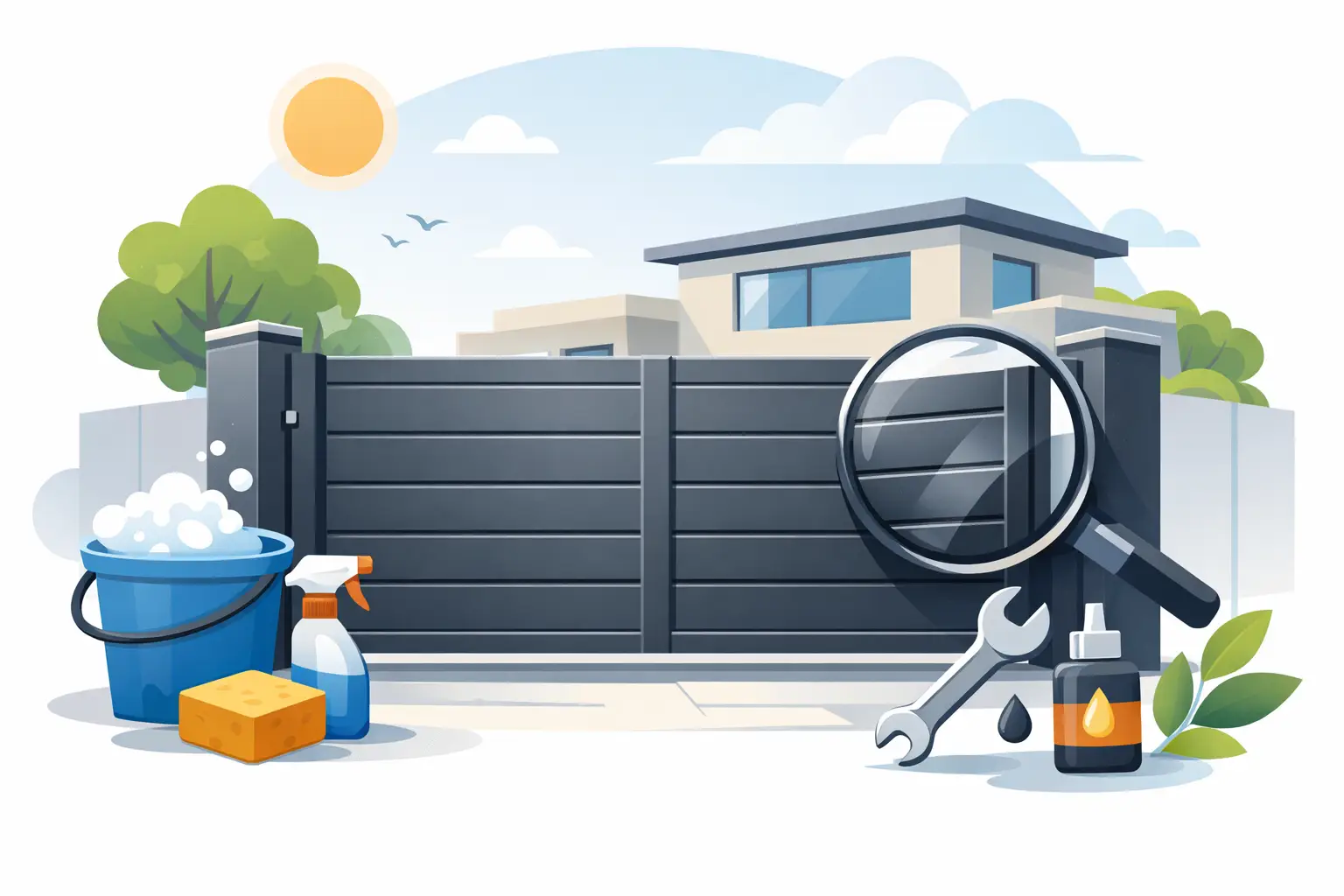
For most properties, routine maintenance is straightforward. Washing the gate down with mild soapy water and a soft cloth a few times a year is usually enough to keep it looking its best. In areas with more traffic pollution, salt exposure or heavy tree cover, it may need cleaning a little more often.
It is also sensible to inspect the moving parts. Hinges, latches, locks, track systems and any automation equipment should be checked periodically to make sure everything is operating correctly. If your gate is automated, motors and access control systems may have their own servicing recommendations. That is not a weakness of aluminium itself, but it is part of owning a working gate system.
If the gate suffers accidental damage, such as a deep scratch or impact, it is worth dealing with it promptly. Powder coating is durable, but no finish is indestructible. A damaged section will not automatically fail, yet timely attention helps preserve both appearance and long-term performance.
Cleaning matters more in some locations
Not every site puts the same demands on a gate. A rural driveway may only need occasional washing. A coastal property, a roadside entrance or a commercial site with higher traffic levels may need a more regular cleaning schedule. Salt and grime are more demanding than ordinary rainwater.
That does not mean aluminium suddenly becomes high maintenance in these settings. It simply means location affects how often simple care is worthwhile.
Hardware still deserves attention
One point buyers sometimes miss is that the gate leaf and the gate hardware are not the same thing. Aluminium itself is highly resistant to corrosion, but hinges, fixings, locks and automation components can vary depending on specification. Choosing quality hardware and checking it from time to time makes a real difference.
This is especially relevant for larger driveway gates, sliding systems and commercial entrances where the gate may be used many times a day.
How aluminium compares with timber and steel
Timber gates can look excellent, particularly on period or rural properties, but they usually demand the most maintenance. They need regular treatment to protect against moisture, sun exposure and insect damage. Over time, timber can twist, split or soften, especially if maintenance is delayed.
Steel gates offer strength and a more traditional appearance in some designs, but they are heavier and more vulnerable to rust if the protective coating is damaged. Once corrosion begins, maintenance can become more frequent and more costly.
Aluminium sits in a very practical middle ground. It offers strength without excessive weight, modern manufacturing flexibility and a strong resistance to weather-related deterioration. For buyers who want kerb appeal without a long list of maintenance jobs, that balance is hard to ignore.
Are there any trade-offs?
There are always trade-offs, and it is better to be clear about them. Aluminium gates are low maintenance, but they are not maintenance proof. A poor-quality finish, weak fabrication or incorrect installation can reduce performance, whatever material you choose.
Design also matters. A large automated driveway gate has different demands from a simple pedestrian side gate. Bespoke sizes, solid infill styles and exposed locations all affect how the system should be specified. The gate might still be easy to maintain, but getting the right frame strength, posts, hinges and automation setup is essential.
Price can also be part of the conversation. A properly made aluminium gate with a strong finish and the right specification may cost more than entry-level alternatives. For many buyers, the lower upkeep and longer service life justify that spend. But it is still a decision that should match the property, usage level and budget.
What helps keep an aluminium gate low maintenance?
The best results usually come from getting the basics right at the start. Good manufacturing, a quality powder-coated finish and correct installation all help reduce future issues. So does choosing the right gate style for the opening and intended use.
For example, a lightweight yet strong aluminium swing gate can work very well on many domestic driveways, but some wider openings may suit a sliding design better. On commercial sites, usage frequency and access control requirements should shape the specification from the outset. The more accurately the gate matches the job, the less likely you are to face avoidable maintenance problems later.
This is where expert guidance matters. A gate is not just a panel on hinges. It is part of a wider entrance system that may include posts, automation, intercoms and safety features. When those elements are chosen properly, ownership becomes much simpler.
Who are aluminium gates best suited to?
They are a strong choice for homeowners who want to improve kerb appeal without committing to regular upkeep. They also suit landlords, developers and commercial buyers who need a smart, durable entrance solution that does not create unnecessary maintenance burden.
For busy households, that often means no annual painting schedule and far less worry about weather damage. For commercial settings, it can mean a more predictable ownership cost and less disruption from reactive repairs.
At Aluminium Gates Direct, this is often the reason customers move from timber or steel to aluminium. They want a gate that looks the part, performs reliably and does not create a new maintenance job every season.
The honest answer buyers should work with
So, are aluminium gates maintenance free? Not in the strictest sense. They still need cleaning, occasional inspection and proper care of hardware or automation. But compared with most alternatives, the maintenance demand is low enough that many buyers describe them that way in everyday conversation.
If your priority is a gate that combines appearance, durability and minimal upkeep, aluminium is one of the most dependable choices on the market. The key is to think in realistic terms. Not no maintenance, but very little – and often far less than you may be used to. That difference is usually what makes the investment worthwhile.