
A garden gate should not become another job on your weekend list. If you are comparing the best low maintenance garden gates, the real question is not just which style looks right. It is which material will still look smart, work properly and need very little attention after years of British weather.
That is where many buyers get caught out. A gate can appear good value at first, but once repainting, warping, rust treatment or hinge issues start to build up, the long-term cost looks very different. For homeowners, developers and trade buyers alike, low maintenance usually means choosing a gate that stays secure, presentable and reliable without constant upkeep.
What makes a garden gate genuinely low maintenance?
Low maintenance does not simply mean a gate that needs less painting. It means a gate that resists the most common causes of deterioration in the UK – rain, frost, UV exposure, swelling, corrosion and general wear from daily use.
A truly low maintenance garden gate should hold its shape, keep its finish and avoid frequent repair work. It should also be easy to clean with basic washing rather than specialist treatments or seasonal refinishing. The frame, infill, fixings and finish all matter here. A strong material with a poor coating can still become a problem, just as a good-looking design with weak hardware can create avoidable maintenance later on.
That is why material choice comes first.
Best low maintenance garden gates by material
Aluminium garden gates
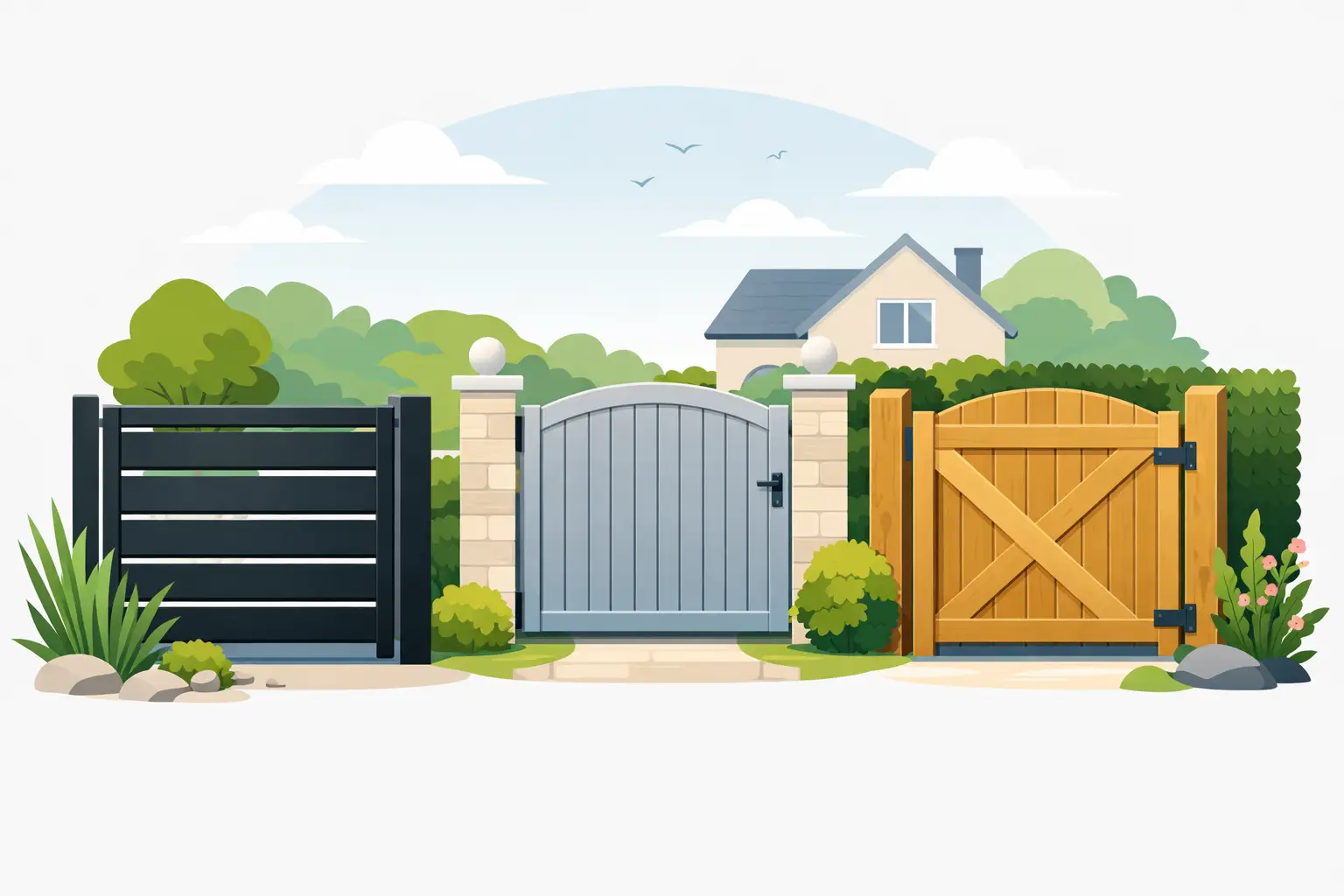
For most residential and mixed-use projects, aluminium is the strongest option when low maintenance is the priority. It does not rust, it is lightweight compared with steel, and it will not rot, crack or absorb moisture like timber. In practical terms, that means less strain on hinges, fewer movement issues over time and no need for annual sanding or repainting.
Powder-coated aluminium is especially well suited to UK conditions. The finish is designed to be durable and colour-stable, so normal upkeep is usually limited to occasional washing with mild soapy water. For customers who want a gate that keeps a clean, modern appearance with minimal effort, this is usually the benchmark.
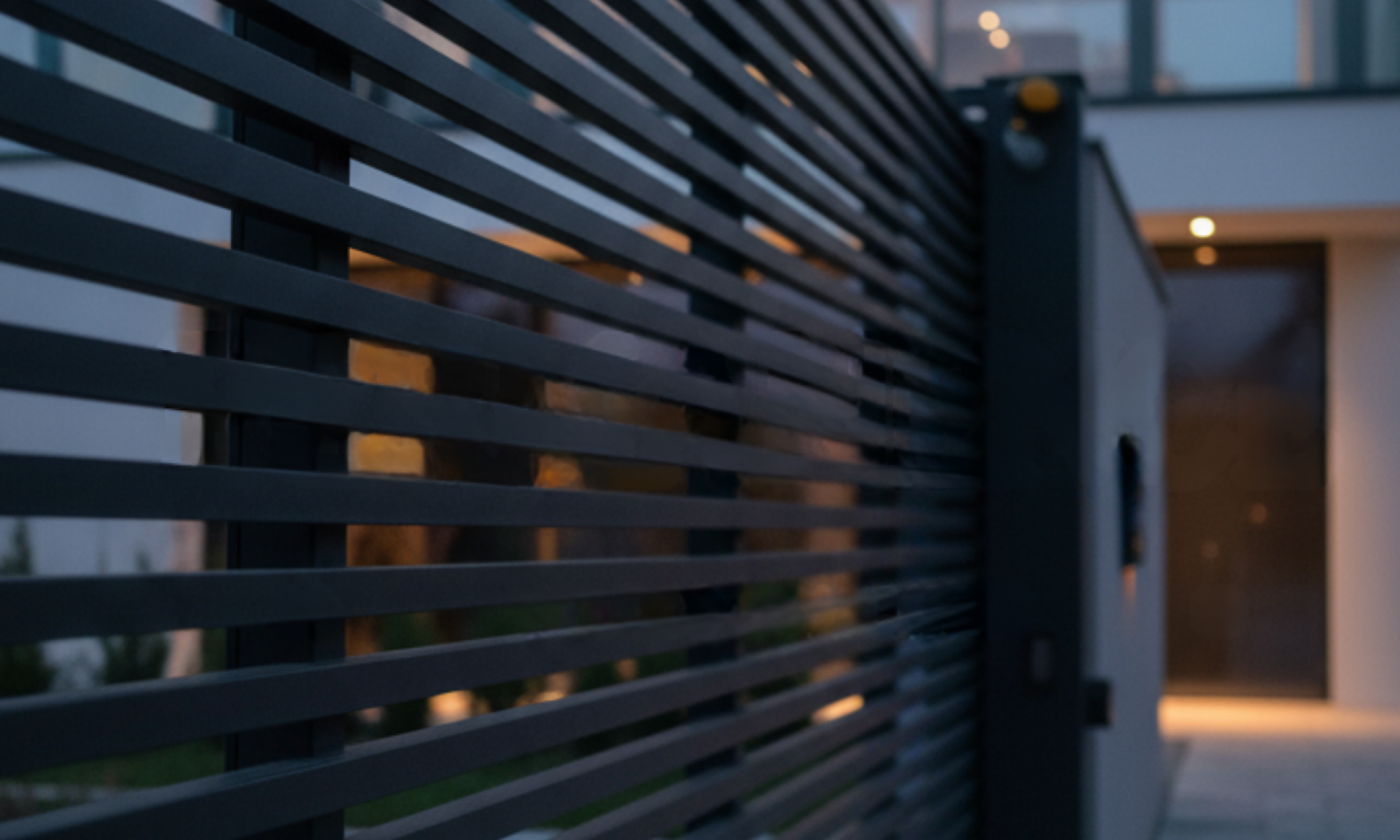
There is also flexibility in design. Aluminium garden gates are available in contemporary slatted styles, solid privacy designs, decorative options and bespoke formats that can be matched to fencing, railings or larger entrance gates. That makes them a practical choice without forcing a compromise on appearance.
The main trade-off is upfront cost. Aluminium often costs more than entry-level timber options at the point of purchase. However, when you factor in lifespan, reduced maintenance and lower likelihood of repair, it often proves better value over time.
Steel garden gates
Steel remains a strong and popular material, especially where a more traditional or security-led appearance is required. It offers excellent strength and can work well for side entrances, commercial boundaries or decorative garden access points.
The maintenance picture is more mixed. Galvanised and properly coated steel performs far better than untreated steel, but if the finish becomes damaged and exposed metal is left unchecked, rust can become an issue. In coastal areas or locations with high moisture exposure, maintenance demands can increase.
For some buyers, steel is still the right solution, particularly when weight and a more substantial feel are part of the brief. It simply requires more awareness around finish protection than aluminium.
Timber garden gates
Timber suits period properties and softer garden settings, and many buyers still prefer its natural look. The difficulty is that timber and low maintenance rarely go hand in hand. Even pressure-treated timber needs ongoing care if you want it to stay straight, sound and visually consistent.
In the UK climate, timber gates can swell in wet conditions, dry out in summer, and gradually warp or split. They normally need staining, painting or sealing at intervals, and ironmongery can loosen as the timber moves.
That does not make timber a poor choice in every case. If character is your top priority and you are happy to keep up with treatment, it can still be a good fit. But if your aim is to reduce upkeep as much as possible, timber is rarely the best answer.
Why aluminium usually comes out on top
When customers ask which of the best low maintenance garden gates offers the most dependable long-term performance, aluminium is usually the clear front-runner. The combination of corrosion resistance, low weight and finish durability solves many of the problems that affect other gate materials.
Weight matters more than people often expect. A lighter gate places less stress on posts, hinges and latches, which can help preserve smooth operation over time. That is particularly useful for frequently used pedestrian gates, side access gates and family gardens where the gate is opened and closed multiple times a day.
There is also the visual benefit. Powder-coated aluminium can deliver a crisp, premium finish in a wide range of colours, from classic black and anthracite grey to more bespoke shades. If you want a gate that complements windows, doors, fencing or railings, aluminium gives you more consistency with less maintenance attached.
At Aluminium Gates Direct, this is exactly why aluminium is such a strong fit for homeowners and trade buyers who want a practical solution without losing design flexibility.
Style still matters with low maintenance garden gates
Choosing a low maintenance gate does not mean settling for a basic design. In many projects, the right gate needs to balance upkeep, privacy, access and appearance.
Slatted aluminium gates are a popular choice for modern homes because they offer a clean look and can be tailored for either partial visibility or greater screening. If privacy is more important, a solid panel design may be a better fit, especially for side paths and rear garden access. For more traditional properties, ornate detailing or framed designs can create a softer look while still keeping maintenance to a minimum if the material is right.
The best choice depends on where the gate sits and how it is used. A decorative gate at the front of a property may prioritise kerb appeal. A side gate may need to focus more on security, bin storage screening or child and pet safety. A commercial or shared access gate may need to combine low upkeep with controlled access and higher usage levels.
What to check before you buy
Even the best material can underperform if the specification is wrong. Size, ground levels, post strength, hinge quality and latch type all affect how well a gate performs over time.
A made-to-measure gate can often save trouble later, especially where the opening is not standard or where the gate needs to align with existing fencing or walls. Readymade options can work well for straightforward openings and tighter budgets, but they need careful measuring. A poor fit can lead to dragging, misalignment and unnecessary stress on the hardware.
Finish quality is another point worth checking. With metal gates, not all coatings are equal. A properly powder-coated finish gives stronger long-term protection than a basic painted surface. Buyers should also look at the quality of fixings and hinges, as these are often the first areas to show wear if corners have been cut.
If the gate is part of a wider scheme, it also helps to think beyond the gate itself. Matching fencing, railings and access control can improve the final result and reduce the need for piecemeal upgrades later.
Best low maintenance garden gates for different needs
For a typical homeowner who wants an attractive side or front garden gate with as little upkeep as possible, powder-coated aluminium is usually the strongest all-round option. It offers durability, reliable daily performance and a finish that stays smart with minimal cleaning.
For buyers focused on a more traditional look, steel can still work well if it is properly treated and maintained, although it will normally need more attention over time. For those drawn to natural materials, timber remains appealing aesthetically, but it is best chosen with a clear understanding that maintenance will be part of ownership.
Developers, architects and commercial buyers often lean towards aluminium for the same reason residential customers do – it is dependable, consistent and easier to specify across multiple plots or access points. Lower aftercare demands are valuable not only for the end user, but also for long-term asset management.
A good garden gate should make life easier, not add another maintenance cycle to manage. If you start with the right material and the right specification, you can get a gate that looks the part from day one and keeps doing its job quietly for years.