

Pedestrian Gate Lock Options for UK Properties

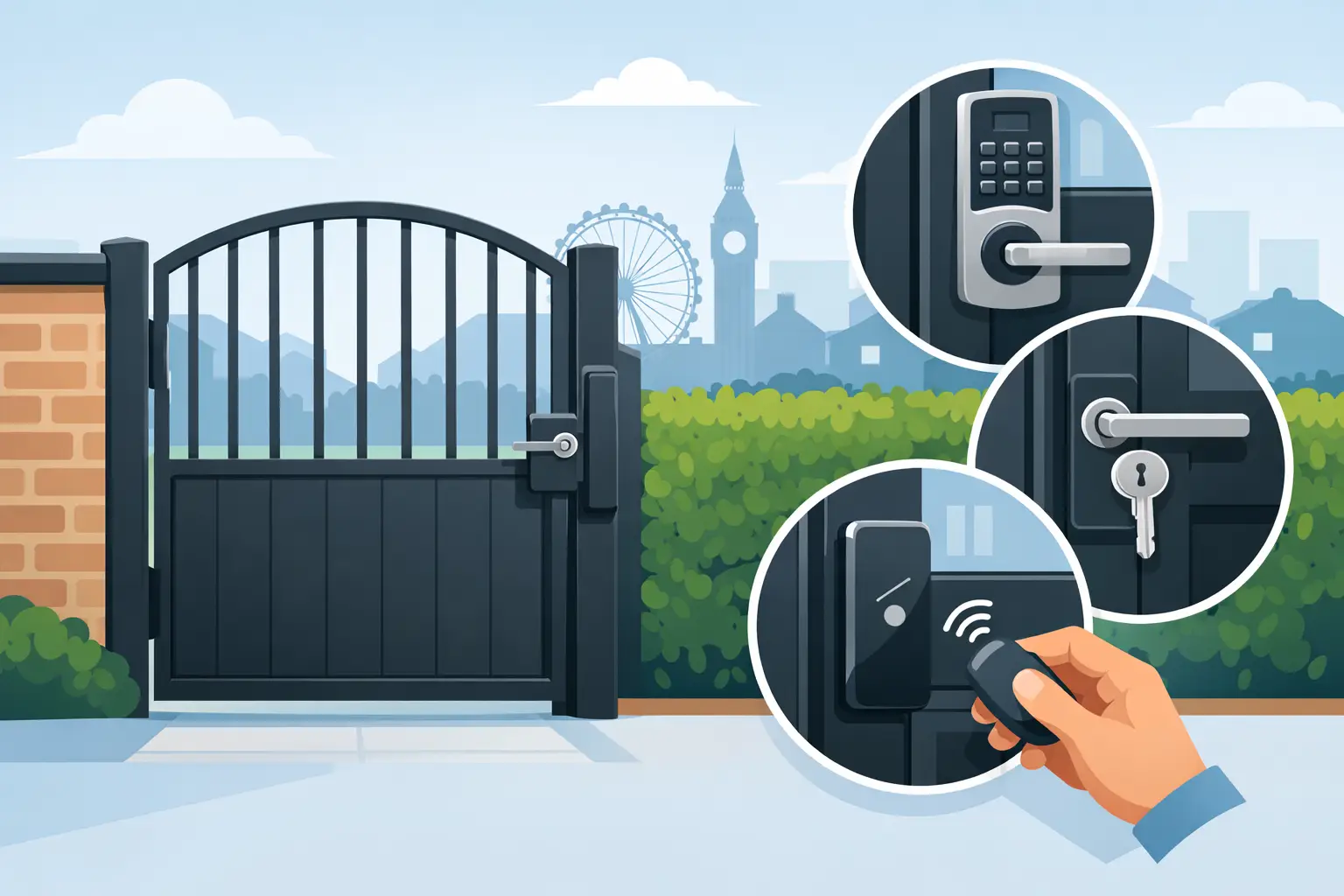
A pedestrian gate is often the entrance people use most, whether it leads into a family garden, side passage, block of flats, school, development or commercial site. The right pedestrian gate lock options need to do more than keep a gate shut. They must suit the gate’s frame, the direction of travel, who needs access and the level of security the property genuinely requires.

For aluminium pedestrian gates, lock choice should be considered early rather than treated as a last-minute fitting detail. Aluminium is lightweight, strong and highly resistant to corrosion, but its slim profiles and clean lines mean the lock, keeps, handles and access controls need to be specified to fit correctly and look purposeful. A well-chosen lock should be secure, comfortable to use and able to withstand regular exposure to British weather.

Start with how the gate will be used

The most suitable lock depends on the role of the gate. A garden side gate used by one household has different needs from a shared access gate serving several flats. Equally, a commercial pedestrian entrance may need controlled access, auditability and compatibility with an intercom or automated system.

Consider who will use the gate each day. Residents may need a straightforward key-operated lock, while deliveries, tradespeople, staff and visitors may call for a keypad, fob, intercom release or a combination of these. Think about access from both sides too. A gate that can only be opened with a key from the inside may be inconvenient, and in some settings could create an unsuitable exit route.

The location also matters. A gate visible from the street benefits from a tidy, integrated locking arrangement. A rear boundary gate may place greater emphasis on deterrence and resistance to forced entry. At exposed coastal properties, or anywhere with frequent rain and wind, weather-resistant components and correct installation become especially important.

Pedestrian gate lock options explained

Key-operated mortice locks

A mortice lock is fitted within the gate frame or a purpose-made lock box, leaving a clean external appearance. It is a popular choice for aluminium pedestrian gates because it can provide dependable everyday security without adding bulky hardware to the face of the gate.

Many mortice locks use a euro profile cylinder, allowing the cylinder to be changed without replacing the complete lockcase. This is useful after a move, when keys are lost or when a development’s access arrangements change. Cylinders are available at different security levels, so the correct specification should reflect the risk level and the gate’s overall construction.

The practical point is compatibility. Aluminium gates have defined frame sections, and the lockcase, cylinder length, handle set and keep must all work with the chosen profile. A lock that projects too far, has poor alignment or uses an unsuitable keep will not perform as intended.

Surface-mounted deadlocks and gate locks

Surface-mounted gate locks sit on the face of the gate or within a fitted lock box. They are often a sensible answer when a gate frame cannot accommodate a mortice lock, or where a more visible deterrent is preferred.

These locks can offer a straightforward, durable solution for side gates, garden gates and lower-traffic entrances. Some are operated by a key on both sides, while others combine a key cylinder externally with a thumbturn or handle internally. The latter can be convenient for household use, but it should only be selected where it is appropriate for the security level and the position of the gate.

A surface-mounted lock is only as good as its fixing and gate structure. It should be securely attached to a suitable reinforced area and aligned accurately with the receiving post. A poorly fitted lock can bind, rattle or leave unnecessary movement at the closing edge.

Locking latches for simple access

A latch is useful where the main requirement is keeping a pedestrian gate closed rather than creating a high-security boundary. Garden gates between private areas, low-risk side access and internal communal spaces may suit a latch with a padlockable feature or key lock.

This approach is affordable and easy to operate, but it has limitations. A basic latch is not a replacement for a proper lock on a gate that protects valuable equipment, offers access to the rear of a house or forms part of a commercial perimeter. It should be chosen for convenience, not mistaken for a high-security solution.

Keypad and coded gate locks

Keypad access removes the need for every user to carry a key. It can work particularly well for shared residential entrances, staff access points, holiday lets, bin stores and service areas where codes can be updated when access needs change.

Mechanical code locks do not need a power supply, making them useful for straightforward installations. Electronic keypads offer more flexibility and may support multiple codes, timed access or integration with other systems. In either case, check that the keypad is designed for external use and positioned where users can operate it comfortably without obstructing a pavement, driveway or entrance route.

Codes bring an obvious trade-off: they are easy to share. For a busy site, a code may circulate beyond the intended users. Where access needs tighter control, fobs, cards or an intercom system can be the better long-term option.

Electric strikes and magnetic locks

Electric locking is often selected for developments of flats, offices, schools, commercial compounds and higher-specification homes. An electric strike releases the latch or lock when a signal is sent from an intercom, keypad, fob reader or internal release button. It allows the gate to remain physically latched while giving authorised users controlled entry.

Magnetic locks hold the gate closed using an electromagnet. They can be effective in suitable applications, but require a reliable power supply, correct alignment and thoughtful planning for power failure. Depending on the system, an electric lock may be fail secure, meaning it stays locked if power is lost, or fail safe, meaning it releases. The correct choice depends on security, emergency egress and the building’s access requirements.

Electric systems should be specified as a complete arrangement, not as separate parts chosen in isolation. The lock, power supply, cabling, access control, gate closer and intercom must work together. This is especially relevant where an Akuvox intercom system or remote access is planned.

Do not overlook the handle, closer and gate post

A lock cannot compensate for a gate that does not close squarely. Hinges, posts, latch keeps and self-closing devices all influence how reliably the lock operates. Aluminium pedestrian gates are stable and low maintenance, but hinges may still need adjustment after installation, particularly if ground conditions settle or a gate is used heavily.

A gate closer is often valuable on shared and commercial entrances because it helps ensure the gate returns to the locked position after use. The closer must suit the gate’s width, weight and opening direction. Too much closing force can make access difficult for children, older users or anyone carrying bags. Too little may leave the gate ajar in windy conditions.

Handle choice should match the lock and user experience. Lever handles are familiar and practical, while pull handles may suit access-controlled gates where release is provided electronically. A handle with a quality finish and a sensible grip will make a noticeable difference to a gate used several times a day.

Security and safety should be balanced

The strongest-looking lock is not automatically the best option. Security comes from the full installation: a well-made gate, correctly sized posts, secure hinges, protected fixings, a suitable lock and no obvious gaps that allow the latch to be manipulated from outside.

For domestic side access, a key-operated mortice or surface-mounted deadlock is often a sensible balance of security, simplicity and cost. For a shared entrance, a keypad or fob-controlled electric strike may reduce key management problems. For commercial premises, access control, intercom release and controlled egress may be necessary, particularly where there are numerous users or changing staff.

If the gate forms part of an escape route, seek appropriate professional advice before specifying the lock. Users must be able to leave safely, and the access arrangement should meet the needs of the site rather than simply maximise security at the entrance point.

Choosing a lock for a new aluminium gate

The best time to decide on a lock is while the gate is being designed. This allows the frame, lock box, posts and cabling routes to be prepared properly. Retrofitting is possible in many cases, but it can limit the choice of hardware or result in a less tidy finish.

Measure the available frame depth and establish the gate’s handing before ordering. Confirm whether the gate opens inwards or outwards, where the keep will sit, and whether the lock needs to operate from one side or both. If automation, an intercom or keypad may be added later, allowing for cables and suitable mounting points now can prevent disruption later.

Aluminium Gates Direct can help customers match pedestrian gate design, lock hardware and access requirements, whether the project calls for a simple garden gate lock or a coordinated perimeter access solution. Clear specification at the outset leads to a gate that looks right, closes reliably and gives the right people access without making daily use unnecessarily complicated.

A good pedestrian gate lock should feel almost unremarkable in use: the gate closes cleanly, authorised people enter without difficulty and the boundary remains secure. Choosing the hardware around the property’s real routine is the most reliable way to achieve that result.

Pedestrian Gate Lock Options for UK Properties

A pedestrian gate is often the entrance people use most, whether it leads into a family garden, side passage, block of flats, school, development or commercial site. The right pedestrian gate lock options need to do more than keep a gate shut. They must suit the gate’s frame, the direction of travel, who needs access and the level of security the property genuinely requires.

For aluminium pedestrian gates, lock choice should be considered early rather than treated as a last-minute fitting detail. Aluminium is lightweight, strong and highly resistant to corrosion, but its slim profiles and clean lines mean the lock, keeps, handles and access controls need to be specified to fit correctly and look purposeful. A well-chosen lock should be secure, comfortable to use and able to withstand regular exposure to British weather.

Start with how the gate will be used

The most suitable lock depends on the role of the gate. A garden side gate used by one household has different needs from a shared access gate serving several flats. Equally, a commercial pedestrian entrance may need controlled access, auditability and compatibility with an intercom or automated system.

Consider who will use the gate each day. Residents may need a straightforward key-operated lock, while deliveries, tradespeople, staff and visitors may call for a keypad, fob, intercom release or a combination of these. Think about access from both sides too. A gate that can only be opened with a key from the inside may be inconvenient, and in some settings could create an unsuitable exit route.

The location also matters. A gate visible from the street benefits from a tidy, integrated locking arrangement. A rear boundary gate may place greater emphasis on deterrence and resistance to forced entry. At exposed coastal properties, or anywhere with frequent rain and wind, weather-resistant components and correct installation become especially important.

Pedestrian gate lock options explained

Key-operated mortice locks

A mortice lock is fitted within the gate frame or a purpose-made lock box, leaving a clean external appearance. It is a popular choice for aluminium pedestrian gates because it can provide dependable everyday security without adding bulky hardware to the face of the gate.

Many mortice locks use a euro profile cylinder, allowing the cylinder to be changed without replacing the complete lockcase. This is useful after a move, when keys are lost or when a development’s access arrangements change. Cylinders are available at different security levels, so the correct specification should reflect the risk level and the gate’s overall construction.

The practical point is compatibility. Aluminium gates have defined frame sections, and the lockcase, cylinder length, handle set and keep must all work with the chosen profile. A lock that projects too far, has poor alignment or uses an unsuitable keep will not perform as intended.

Surface-mounted deadlocks and gate locks

Surface-mounted gate locks sit on the face of the gate or within a fitted lock box. They are often a sensible answer when a gate frame cannot accommodate a mortice lock, or where a more visible deterrent is preferred.

These locks can offer a straightforward, durable solution for side gates, garden gates and lower-traffic entrances. Some are operated by a key on both sides, while others combine a key cylinder externally with a thumbturn or handle internally. The latter can be convenient for household use, but it should only be selected where it is appropriate for the security level and the position of the gate.

A surface-mounted lock is only as good as its fixing and gate structure. It should be securely attached to a suitable reinforced area and aligned accurately with the receiving post. A poorly fitted lock can bind, rattle or leave unnecessary movement at the closing edge.

Locking latches for simple access

A latch is useful where the main requirement is keeping a pedestrian gate closed rather than creating a high-security boundary. Garden gates between private areas, low-risk side access and internal communal spaces may suit a latch with a padlockable feature or key lock.

This approach is affordable and easy to operate, but it has limitations. A basic latch is not a replacement for a proper lock on a gate that protects valuable equipment, offers access to the rear of a house or forms part of a commercial perimeter. It should be chosen for convenience, not mistaken for a high-security solution.

Keypad and coded gate locks

Keypad access removes the need for every user to carry a key. It can work particularly well for shared residential entrances, staff access points, holiday lets, bin stores and service areas where codes can be updated when access needs change.

Mechanical code locks do not need a power supply, making them useful for straightforward installations. Electronic keypads offer more flexibility and may support multiple codes, timed access or integration with other systems. In either case, check that the keypad is designed for external use and positioned where users can operate it comfortably without obstructing a pavement, driveway or entrance route.

Codes bring an obvious trade-off: they are easy to share. For a busy site, a code may circulate beyond the intended users. Where access needs tighter control, fobs, cards or an intercom system can be the better long-term option.

Electric strikes and magnetic locks

Electric locking is often selected for developments of flats, offices, schools, commercial compounds and higher-specification homes. An electric strike releases the latch or lock when a signal is sent from an intercom, keypad, fob reader or internal release button. It allows the gate to remain physically latched while giving authorised users controlled entry.

Magnetic locks hold the gate closed using an electromagnet. They can be effective in suitable applications, but require a reliable power supply, correct alignment and thoughtful planning for power failure. Depending on the system, an electric lock may be fail secure, meaning it stays locked if power is lost, or fail safe, meaning it releases. The correct choice depends on security, emergency egress and the building’s access requirements.

Electric systems should be specified as a complete arrangement, not as separate parts chosen in isolation. The lock, power supply, cabling, access control, gate closer and intercom must work together. This is especially relevant where an Akuvox intercom system or remote access is planned.

Do not overlook the handle, closer and gate post

A lock cannot compensate for a gate that does not close squarely. Hinges, posts, latch keeps and self-closing devices all influence how reliably the lock operates. Aluminium pedestrian gates are stable and low maintenance, but hinges may still need adjustment after installation, particularly if ground conditions settle or a gate is used heavily.

A gate closer is often valuable on shared and commercial entrances because it helps ensure the gate returns to the locked position after use. The closer must suit the gate’s width, weight and opening direction. Too much closing force can make access difficult for children, older users or anyone carrying bags. Too little may leave the gate ajar in windy conditions.

Handle choice should match the lock and user experience. Lever handles are familiar and practical, while pull handles may suit access-controlled gates where release is provided electronically. A handle with a quality finish and a sensible grip will make a noticeable difference to a gate used several times a day.

Security and safety should be balanced

The strongest-looking lock is not automatically the best option. Security comes from the full installation: a well-made gate, correctly sized posts, secure hinges, protected fixings, a suitable lock and no obvious gaps that allow the latch to be manipulated from outside.

For domestic side access, a key-operated mortice or surface-mounted deadlock is often a sensible balance of security, simplicity and cost. For a shared entrance, a keypad or fob-controlled electric strike may reduce key management problems. For commercial premises, access control, intercom release and controlled egress may be necessary, particularly where there are numerous users or changing staff.

If the gate forms part of an escape route, seek appropriate professional advice before specifying the lock. Users must be able to leave safely, and the access arrangement should meet the needs of the site rather than simply maximise security at the entrance point.

Choosing a lock for a new aluminium gate

The best time to decide on a lock is while the gate is being designed. This allows the frame, lock box, posts and cabling routes to be prepared properly. Retrofitting is possible in many cases, but it can limit the choice of hardware or result in a less tidy finish.

Measure the available frame depth and establish the gate’s handing before ordering. Confirm whether the gate opens inwards or outwards, where the keep will sit, and whether the lock needs to operate from one side or both. If automation, an intercom or keypad may be added later, allowing for cables and suitable mounting points now can prevent disruption later.

Aluminium Gates Direct can help customers match pedestrian gate design, lock hardware and access requirements, whether the project calls for a simple garden gate lock or a coordinated perimeter access solution. Clear specification at the outset leads to a gate that looks right, closes reliably and gives the right people access without making daily use unnecessarily complicated.

A good pedestrian gate lock should feel almost unremarkable in use: the gate closes cleanly, authorised people enter without difficulty and the boundary remains secure. Choosing the hardware around the property’s real routine is the most reliable way to achieve that result.