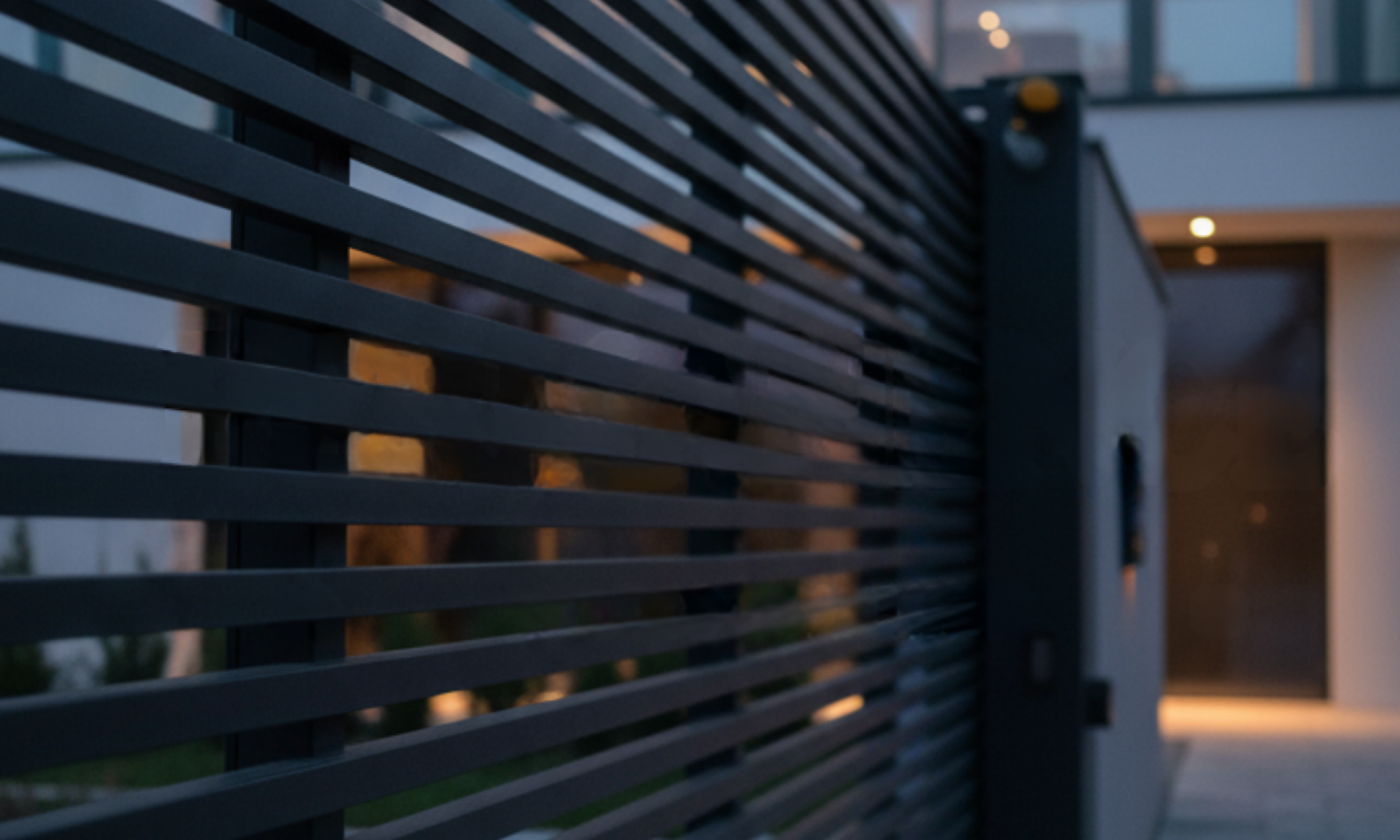

A fence has two jobs to do at once. It needs to make a property feel secure, and it also needs to look right from the street, the entrance and every angle in between. That is why aluminium security fencing has become a serious option for homeowners, developers and commercial buyers who want practical protection without taking on the upkeep that often comes with timber or steel.
For some projects, security is the main priority. For others, presentation matters just as much. In many cases, the right answer sits somewhere in the middle – a fence that creates a clear boundary, works with matching gates and access control, and still looks smart years down the line. Aluminium suits that balance particularly well.
Why aluminium security fencing is gaining ground
Traditional fencing materials still have their place, but they often come with familiar compromises. Timber can look warm and attractive, yet it usually demands regular treatment and can suffer from warping, rot or general weathering over time. Steel is strong, but weight, corrosion risk and ongoing maintenance can make it less appealing, especially for buyers thinking about long-term ownership costs.
Aluminium security fencing offers a different route. It is lightweight compared with steel, naturally corrosion-resistant and well suited to UK weather conditions when properly manufactured and finished. That matters whether you are securing a front boundary at a home, defining the perimeter of a development or specifying fencing for a commercial site where appearance and durability both count.
There is also a design advantage. Aluminium can deliver a clean, modern look, but it can also be tailored to suit more traditional properties. That flexibility is useful when a fencing system needs to match gates, railings or wider architectural details rather than feeling like a separate afterthought.
What makes a security fence effective
Not every fence described as secure performs the same way. Height matters, but so do spacing, visibility, fixings and how the fence works with the rest of the perimeter.
A good security fence creates a physical barrier while clearly marking ownership and access points. Vertical bar designs are a common choice because they offer visibility as well as protection. You can see through them, which helps with surveillance and gives a less closed-in appearance than a solid panel. At the same time, the design can make climbing more difficult depending on the top detail, spacing and overall specification.
That is why the best result usually comes from looking at the whole system rather than just the fence panels on their own. If the fencing is secure but the gate is poorly matched, badly positioned or fitted without appropriate locking and access control, the perimeter is only doing part of its job.
Fencing, gates and access control should work together
For residential properties, that might mean pairing fencing with a driveway gate or pedestrian gate that matches the style and finish. For commercial sites, it may involve automated gates, controlled entry points and intercom systems. The fencing sets the boundary, but the gate often handles the day-to-day security function.
This is where early planning makes a real difference. It is easier to achieve a neat, effective result when fencing, gates and any automation are considered together rather than sourced separately and made to fit later.
The practical benefits of aluminium
Low maintenance is one of the biggest reasons buyers choose aluminium. Unlike timber, it does not need repeated staining, painting or preservative treatment to stay in good condition. Unlike untreated or poorly protected steel, it is not prone to rust in the same way. For a busy homeowner or a commercial site manager, that reduction in ongoing work is a genuine benefit, not just a sales line.
Durability is another key factor. A well-made aluminium fencing system is built to stand up to daily use and changing weather without becoming a maintenance burden. That makes budgeting easier over the long term, because the upfront purchase is not followed by the same cycle of regular remedial work many buyers are used to with other materials.
Weight also matters more than people sometimes expect. Aluminium is lighter, which can help with handling, transport and installation. That does not mean every site is simple – sloping ground, awkward access and bespoke layouts all affect the job – but the material itself can be easier to work with than heavier alternatives.
Is aluminium security fencing right for every property?
It depends on what you need the fence to do.
If your main goal is privacy, a more solid boundary treatment may be part of the answer, either on its own or combined with secure gates and fencing elsewhere on the plot. Aluminium security fencing is often strongest where visibility, defined boundaries and controlled access matter most. Frontages, driveways, side access routes, flat developments, schools, light commercial units and managed sites are all common examples.
For high-risk environments, the specification will need to go further. Fence height, anti-climb features, gate hardware, access control and installation standards all become more critical. In those cases, material choice is only one part of the decision. The layout and security strategy matter just as much.
For many residential buyers, though, aluminium hits a useful middle ground. It gives a property a more substantial and secure feel than many basic boundary options while still supporting kerb appeal and keeping maintenance low.
Choosing the right style and specification
The most suitable fencing system usually comes down to four things: security level, appearance, budget and how the fence will integrate with gates.
A contemporary property may suit a sleek vertical-bar design with matching aluminium gates in a coordinated finish. A more traditional setting might call for decorative detailing that softens the look without losing the practical benefit of a strong perimeter. Commercial projects often lean towards simpler, more functional designs where consistency, scale and controlled access are the priority.
Colour choice also has an impact. Darker finishes are popular because they look modern and tend to sit well against brick, render and landscaping. That said, the right finish depends on the building style and the impression you want to create. Fencing is highly visible, so it should complement the property rather than compete with it.
Bespoke or readymade?
This is often one of the most important buying decisions. Readymade options can work well where the layout is straightforward and speed matters. Bespoke fencing is often the better route for projects with unusual widths, level changes, specific design requirements or the need to match existing gates and railings.
There is no universal right answer. A homeowner improving a standard front boundary may be well served by a simpler solution. A developer, architect or site manager working to a set specification will often benefit from a made-to-order approach that removes compromise later.
Installation matters as much as the product
Even high-quality fencing can disappoint if the installation is poor. Post spacing, levels, ground conditions and fixing methods all affect how the finished perimeter looks and performs.
This is particularly important on larger runs or where gates are being integrated into the design. If alignment is off, the whole frontage can look untidy. If levels are not managed correctly, security gaps or awkward transitions can appear. That is why experienced advice at the selection stage is valuable, especially for buyers who are comparing options across price points.
Good support should help you think beyond the product brochure. It should cover what is being secured, how the site is used, whether automation or intercom entry is planned, and what level of finish is expected once the project is complete.
Cost, value and the long view
Price always matters, but it should be judged against lifespan, maintenance and overall finish rather than initial outlay alone.
Aluminium security fencing may not always be the cheapest option on day one. However, when you factor in lower maintenance, resistance to weather-related deterioration and the visual value it adds to a property, it often compares very well over time. For commercial buyers, reduced maintenance can also mean less disruption and a more predictable cost profile. For homeowners, it can mean fewer weekends spent repairing, repainting or replacing tired boundary materials.
Clear pricing is important here. Buyers should understand what is included, where bespoke elements affect cost, and whether matching gates, access control or installation support are part of the wider project. Straightforward advice helps prevent false comparisons between systems that may look similar at first glance but differ significantly in finish, design flexibility or long-term performance.
A smart choice when you want security without the upkeep
Aluminium security fencing appeals to a wide range of buyers for a simple reason. It answers practical concerns without forcing a compromise on appearance. It can help secure a boundary, support a coordinated entrance design and reduce the maintenance demands that often come with more traditional materials.
Whether the project is a residential frontage, a managed development or a commercial perimeter, the best result comes from choosing a system that suits the property, the level of security required and the way the entrance will be used day to day. If you get those details right from the start, the fence does more than mark a boundary – it becomes part of a smarter, more reliable long-term solution.