A perimeter problem usually shows up in one of three ways – too easy to breach, too expensive to maintain, or not fit for the way the site actually operates. When buyers start comparing the best commercial perimeter solutions, they are rarely choosing a single product. They are deciding how security, access, appearance and long-term maintenance need to work together on a live site.
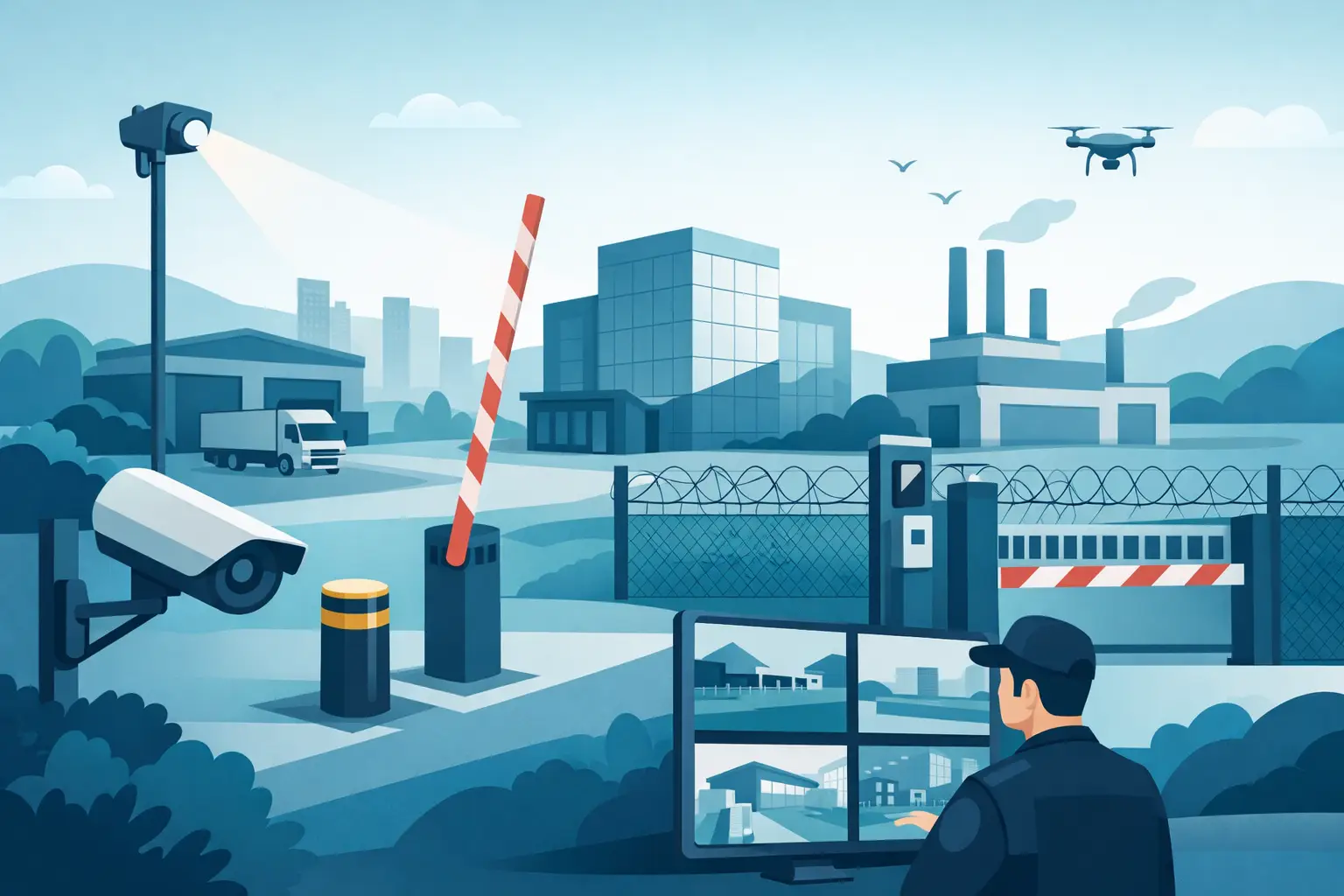
For commercial properties, there is no one-size-fits-all answer. A school, warehouse, office development, trade counter and managed residential block all have different pressures. Vehicle volume, pedestrian access, opening times, site exposure and budget all affect the right specification. The strongest result usually comes from a joined-up approach, where gates, fencing, railings, automation and entry systems are considered as one perimeter rather than separate purchases.
What makes the best commercial perimeter solutions?
The best commercial perimeter solutions balance deterrence, access control, durability and presentation. Security matters, but so does how the entrance performs every day. A gate that looks impressive but slows deliveries, or fencing that is secure but creates ongoing maintenance costs, can become a poor investment quite quickly.
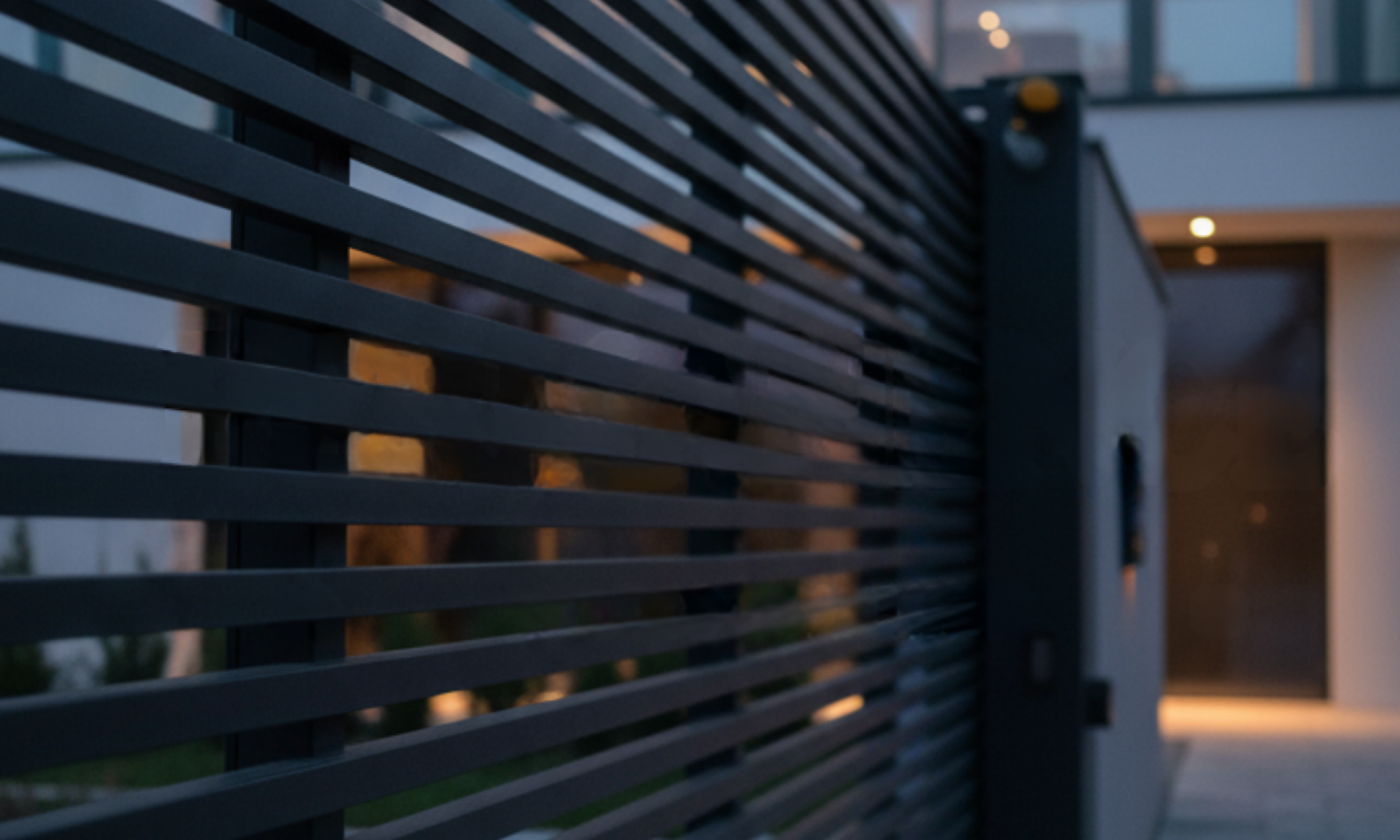
That is why material choice matters early on. Steel has long been used for commercial perimeters, but many buyers now look at aluminium because it offers strength without the weight, resists corrosion and avoids the regular upkeep associated with some traditional materials. For sites that need a professional appearance as well as practical performance, that can make a genuine difference over time.
The best systems are also matched to risk level. Some sites need a clear physical barrier and controlled access points. Others need more emphasis on appearance, traffic flow or safe separation between public and private space. In practice, most commercial buyers need a perimeter that does a bit of everything.
Gates are often the key decision point
A commercial perimeter is only as effective as its access points. Fencing defines the boundary, but gates control movement. That is why commercial gate choice often drives the wider specification.
Sliding gates are often suited to sites where space is tight or where a strong, controlled vehicle entrance is needed. They work well for industrial premises, depots and commercial compounds, especially where there is regular vehicle traffic and a need for automation. Swing gates can be the better option where there is room to operate them safely and where the appearance of a more traditional entrance matters.
Pedestrian gates should not be treated as an afterthought. If people are using the vehicle entrance because the foot access is inconvenient or poorly controlled, the perimeter is already underperforming. A properly planned pedestrian gate with intercom or access control can improve both security and day-to-day use.
For many sites, aluminium gates offer a sensible commercial balance. They are lightweight, which can support smoother automated operation, and they do not demand the same maintenance burden as timber or untreated steel. That matters for busy sites where downtime and upkeep both cost money.
Fencing and railings still do most of the perimeter work
Gates attract attention, but the surrounding boundary usually covers far more ground. The right fencing or railings system should suit the risk level, site layout and visual standard expected by the business or development.
Palisade-style security fencing may suit high-risk or industrial environments where deterrence is the priority. On other sites, vertical bar railings or more architectural perimeter systems can provide definition and protection without making the frontage look harsh. For office premises, schools, flat developments and mixed-use sites, appearance can carry almost as much weight as security performance.
This is where buyers need to be realistic about trade-offs. A more open style can improve visibility and look more welcoming, but it may offer less privacy. A heavier-duty system may increase security, but if it feels overly defensive for the setting, it can work against the wider presentation of the site. The best choice depends on how the perimeter is expected to function, not just how strong it looks on paper.
Automation and access control are part of the perimeter, not extras
A commercial perimeter stops being effective when access relies too heavily on manual control. If staff are constantly leaving buildings to open gates, or if deliveries back up because entry systems are unreliable, the setup is not doing its job.
Automation allows gates to support the pace of the site. For commercial buyers, that can mean safer vehicle entry, reduced waiting times and better control over who comes in and out. Combined with intercom systems, keypads, fobs or managed credentials, automation turns a boundary into an active access system.
This is especially useful on sites with multiple user groups. Staff, residents, visitors, couriers and contractors often need different levels of access. A well-planned system can handle those needs far more effectively than a basic manual entrance. It also creates a more professional first impression, which matters for offices, developments and customer-facing premises.
Of course, automation needs to be chosen properly. Gate size, frequency of use, power supply, safety requirements and traffic flow all affect what is suitable. There is little value in over-specifying a system for a light-use site, but under-specifying for a busy entrance usually leads to frustration and avoidable repair costs.
Why aluminium is increasingly popular for commercial sites
When buyers compare perimeter materials, aluminium often stands out for practical reasons rather than trends. Commercial property managers and developers usually want something that looks smart at handover and still performs years later without constant attention.
Aluminium is well suited to that brief. It is resistant to rust, lightweight compared with steel and available in a wide range of styles and finishes. For coastal areas or exposed locations, corrosion resistance can be particularly valuable. For automated gates, lower weight can support smoother operation and reduce strain on motors and hardware.
There is also the issue of maintenance. Commercial sites are busy enough without adding repainting, treatment or regular remedial work to the list. A low-maintenance perimeter can reduce ongoing cost and simplify asset management, especially across multi-site portfolios or developments with managing agents involved.
That does not mean aluminium is the answer to every project. Very high-security environments may still require specialist systems designed for more extreme risk levels. But for a broad range of commercial applications, it offers a strong mix of durability, appearance and long-term value.
The best commercial perimeter solutions depend on the site type
The phrase best commercial perimeter solutions only really makes sense when tied to the site itself. A retail park entrance has different priorities from a logistics yard. A school may place more emphasis on controlled pedestrian access and safe separation. A business park may need a cleaner, more design-led frontage that still protects private parking and service areas.
For developers, kerb appeal and consistency often matter alongside security. The perimeter needs to support the scheme visually and hold up well after completion. For builders and contractors, programme, availability and ease of installation can matter just as much. For facilities managers, reliability and low upkeep tend to rise to the top very quickly.
This is why bespoke design can be so useful. Not every opening is standard, and not every project can be solved with an off-the-shelf product. Some sites need made-to-measure gates, integrated access control or specific architectural styling. Others need a ready-made solution that meets budget and timescale without unnecessary complexity. Good perimeter planning leaves room for both.
What to consider before specifying a system
Before choosing products, it helps to look at how the entrance and boundary will be used every day. How many vehicles arrive on a typical day? Are there HGVs, staff cars and pedestrians all using the same point? Does the site need to look open and welcoming, or clearly private and controlled? Is the main concern theft deterrence, unauthorised access, privacy, or simply replacing an ageing perimeter with something more durable?
It is also worth thinking beyond purchase price. A cheaper system can become more expensive if it requires regular maintenance, frequent repairs or early replacement. The same applies to appearance. A perimeter sits at the front of the property and shapes how customers, tenants, staff and visitors judge the site before they even step inside.
Support during selection matters too. Commercial buyers often need more than a product list. They need help matching gate type, material, automation and access control to the realities of the site. That is where a specialist supplier can add real value, especially when bespoke options, transparent pricing and installation support are available.
At Aluminium Gates Direct, that practical approach is central to helping buyers choose solutions that suit both immediate needs and long-term site performance.
A good perimeter should make life easier, not add another problem to manage. The right solution is the one that fits the site, works reliably every day and still looks the part years down the line.