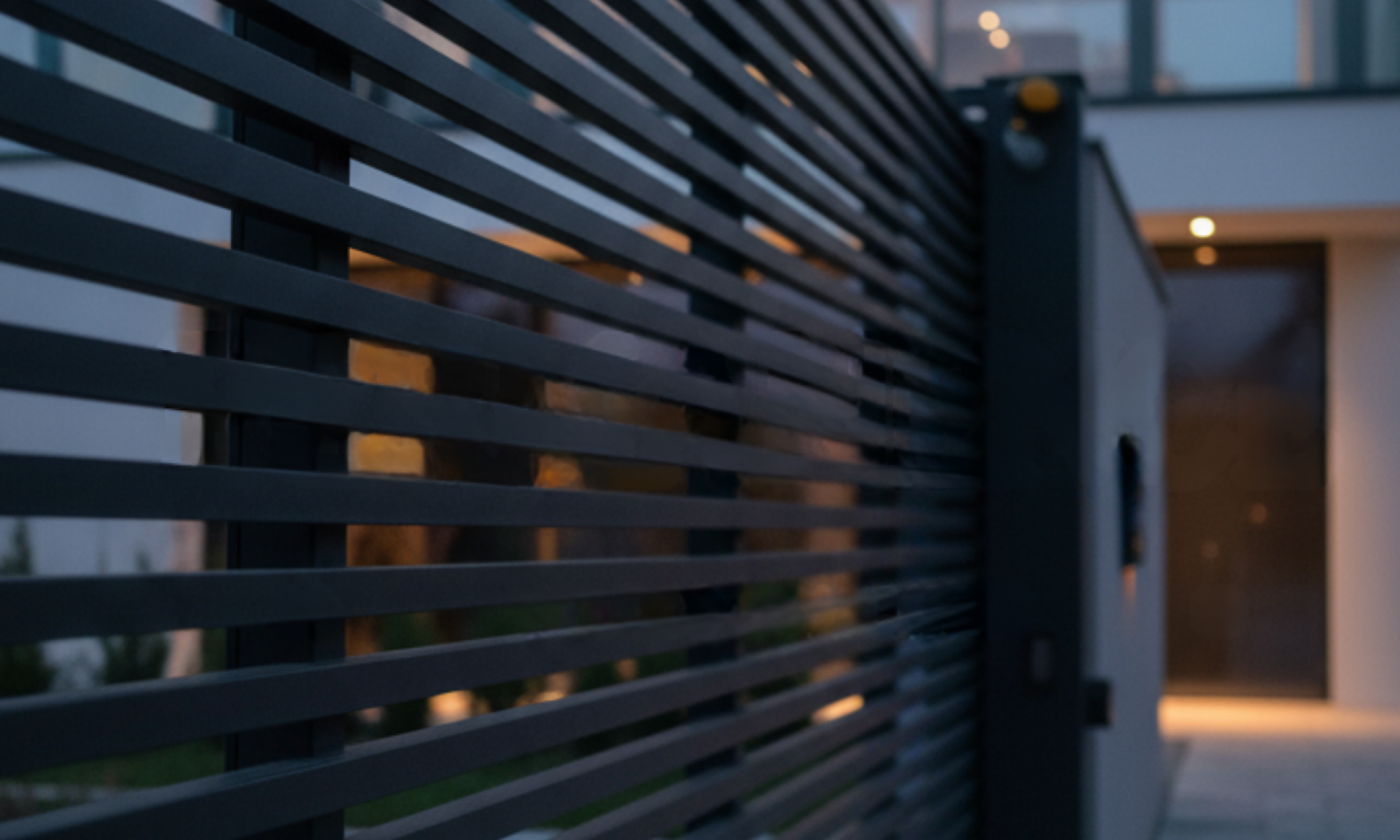


A garden gate does more than mark an entrance. It sets expectations before anyone steps onto the path, frames the view of the property, and has to keep doing that job in all weathers without becoming a maintenance project of its own. That is exactly why ornate aluminium garden gates appeal to so many UK homeowners and trade buyers – they offer decorative detail without the ongoing issues often associated with timber or traditional wrought iron.
For some properties, the right ornate gate adds a finishing touch that makes the front garden, side access or rear boundary feel complete. For others, it is part of a wider specification where appearance matters just as much as durability, privacy and ease of use. The best results come from treating the gate as a practical product first and a design feature second, because that is what ensures it still looks right years down the line.
Why ornate aluminium garden gates make sense
The word ornate can sometimes suggest something purely decorative, but with aluminium that is only part of the story. An ornate design can include scrollwork, finials, shaped tops, decorative infill panels or more traditional styling cues, while still delivering the everyday benefits buyers now expect from a modern gate.
The main advantage is low maintenance. Aluminium does not rot, warp or suffer in the same way as timber, and it does not carry the same rust concerns people often worry about with steel. For busy homeowners, landlords and developers, that matters. A gate should improve the property, not create a repainting schedule.
Weight is another practical benefit. Aluminium is lighter than many alternatives, which can make handling, fitting and daily operation easier. That lighter weight does not mean it feels flimsy when manufactured properly. A well-made aluminium gate can provide the strength needed for regular use while reducing strain on hinges, posts and automation components.
Then there is appearance. Decorative gates are often chosen because they soften boundaries and add character, particularly on period-style homes, landscaped gardens and higher-end residential developments. The appeal of aluminium is that you can achieve a more classic or decorative look with a material better suited to modern expectations around durability and upkeep.
What to consider before you choose a design
The most common mistake is choosing a gate purely from a photo. A design might look impressive in isolation but feel too busy once it is placed against brickwork, railings, render or planting. Good gate selection is about proportion, finish and context.
Start with where the gate will sit. A front garden gate usually plays a more visible role in kerb appeal, so decorative detailing may be more important. A side gate may need to prioritise security and privacy while still matching the wider property. In shared developments or managed sites, the gate may also need to align with existing boundary treatments and planning expectations.
Height and openness matter as well. More open ornate designs can create an elegant look and preserve visibility into the garden, which suits many front boundaries. A more enclosed style can give greater privacy, but it changes the visual weight of the entrance. There is no universal right answer here. It depends on whether your priority is presentation, screening, security or a balance of all three.
You should also think about who will use the gate and how often. A pedestrian garden gate serving a side passage has different demands from a statement entrance gate leading from a front path. Regular use by children, tenants, delivery drivers or maintenance teams may influence latch choice, width, hinge setup and overall practicality.
Matching ornate aluminium garden gates to the property
The best gate usually looks as though it belongs there. That does not always mean copying every period detail of the house, but it should feel in step with the building rather than competing with it.
For traditional homes, ornate aluminium garden gates often work well with arched tops, decorative spearheads or classic railing-inspired designs. These details can echo older metalwork styles while avoiding the maintenance burden that often comes with older materials. For newer homes, a simpler ornamental approach is often more effective. A clean frame with selected decorative elements can add character without looking overdone.
Colour choice has a big influence on the final result. Black remains a popular option because it suits both traditional and contemporary settings, but grey, anthracite and other powder-coated finishes can create a more modern appearance. The right finish should work with the property’s windows, doors, fencing and railings, not just the gate on its own.
This is where bespoke options can make a real difference. Standard sizes and set designs suit many projects, but some properties need a gate tailored to unusual openings, sloping ground or a very specific look. Bespoke manufacturing allows buyers to match dimensions, decorative style and finish more closely to the site, which can be especially valuable on renovation projects and architect-led schemes.
Practical details that affect performance
A decorative gate still has to perform day after day, so specification matters. The opening width needs to be correct, but so does clearance, hinge positioning and post suitability. If the ground rises, falls or sits unevenly, that needs to be accounted for early rather than corrected later.
Latch and locking arrangements should reflect how secure the gate needs to be and who is accessing it. Some residential buyers want a simple and dependable garden gate latch. Others need a lockable solution for side access. On larger or more premium schemes, the gate may need to coordinate with railings, fencing or wider perimeter treatments for a consistent result.
Finish quality is also worth close attention. Powder coating is a major part of what makes aluminium so practical, and a properly finished gate will help protect appearance over time. In coastal or more exposed locations, discussing environmental conditions at the point of enquiry is sensible, as site exposure can affect the best specification.
Installation is another area where shortcuts tend to show. Even a high-quality gate can underperform if the posts are not right, the hinges are poorly aligned, or the opening has not been measured correctly. For homeowners, having access to expert guidance can remove a lot of uncertainty. For trade buyers, dependable specification support helps avoid delays and remedial work on site.
Readymade or bespoke?
This usually comes down to timescale, budget and how specific the project requirements are. A readymade gate can be a very good fit when the opening is standard and the design brief is straightforward. It keeps the buying process simple and can be the quickest route to a finished solution.
Bespoke is often the better route where dimensions are unusual, the property has a strong architectural character, or the buyer wants a closer match to existing railings and boundary features. It can also be the right choice when a project calls for a particular level of detail that off-the-shelf products cannot offer.
Neither option is automatically better. The practical question is whether the gate fits the site properly and delivers the look and performance required. A good supplier should be able to advise honestly on that point rather than pushing every buyer towards the same route.
When style and security need to work together
Garden gates are not usually the primary security feature on a property, but they still play an important role in controlling access and defining boundaries. Ornate designs do not have to mean compromised security. The right specification can combine decorative detailing with solid construction, secure locking and dependable hardware.
For residential customers, this often means a gate that deters casual access while keeping the property welcoming. For developers and commercial buyers, presentation can matter just as much as perimeter control, especially in schemes where first impressions count. In those cases, a decorative aluminium gate can support a more polished frontage without adding avoidable maintenance obligations for site teams or occupiers.
Where wider access control is part of the brief, the gate should be viewed as one part of the whole entrance setup. That may include matching railings, larger gates elsewhere on the site, or future automation and intercom considerations. Planning these points early usually leads to a cleaner and more cost-effective result.
Buying with confidence
Most buyers are not choosing gates every week, so clear guidance matters. Measurements, design options, finishes, lead times and installation planning all affect the final outcome. Whether you are replacing an ageing timber gate at home or specifying boundary solutions across multiple plots, the value lies in getting a gate that suits the site rather than simply picking the nicest-looking pattern.
At Aluminium Gates Direct, that usually starts with understanding the opening, the style of property and the level of support required. Some customers need a straightforward decorative gate at a fair price. Others need a more bespoke solution, installation support and coordination with a wider perimeter project. In both cases, the right advice saves time and helps avoid buying twice.
If you are considering ornate aluminium garden gates, focus on the balance between design, durability and fit for purpose. The most successful gate is not always the most elaborate one. It is the one that looks right on the property, works properly every day and still feels like a good decision long after it has been fitted.