
A garden gate has a simple job on paper – mark an entrance, provide privacy, add a layer of security. In practice, it does much more than that. The right aluminium garden gates can sharpen the look of a front path, finish a side access route properly and save years of upkeep compared with timber or steel.
For many property owners, the real question is not whether a gate is needed, but what type will still look good and perform well after years of British weather. That is where aluminium stands out. It gives you a smart, strong and low-maintenance solution without the regular painting, swelling, rust treatment or weight issues that can come with more traditional materials.
Why aluminium garden gates are a practical long-term choice
A gate is exposed to everything the weather can throw at it. Rain, frost, bright sun, wind-driven dirt and day-to-day knocks all take their toll. Timber can warp, split or soften over time if it is not maintained properly. Steel is strong, but if the protective finish breaks down it can become vulnerable to corrosion.
Aluminium offers a different balance of benefits. It is lightweight compared with steel, but still strong enough for domestic and many commercial applications. It does not rust, and when powder-coated to a good standard it keeps its appearance with very little intervention. For homeowners, that usually means less time spent sanding, staining or repainting. For developers and site managers, it means a smarter asset with lower ongoing maintenance demands.
That low-maintenance appeal is often what tips the decision. A gate may be a one-off purchase, but the labour and cost attached to upkeep continue long after installation. If you want something that looks tidy with little more than occasional cleaning, aluminium is hard to overlook.
Where aluminium garden gates work best
Garden gates are not all doing the same job, so the right specification depends on where the gate will sit and how it will be used. A side gate between the front and rear of a house needs to be secure, neat and easy to operate daily. A gate leading into a landscaped front garden might place more emphasis on appearance and matching railings or fencing.
In residential settings, aluminium garden gates are often chosen for side passages, rear access points, bin store screening and pedestrian entrances. They suit both traditional and contemporary properties because the design options are broad. You can keep the look simple with clean horizontal or vertical lines, or introduce more decorative detailing if the property calls for something softer or more ornate.
For larger developments, blocks of flats and managed properties, aluminium gates also make sense because they provide consistency. Matching multiple gates across a site is easier when working from a clear product range or bespoke manufacturing route, and the reduced maintenance requirement is a genuine advantage for long-term property management.
Design choices that affect performance as much as appearance
A garden gate should look right, but the specification behind it matters just as much. Size, privacy level, frame design, infill style and finish all affect how the gate will perform.
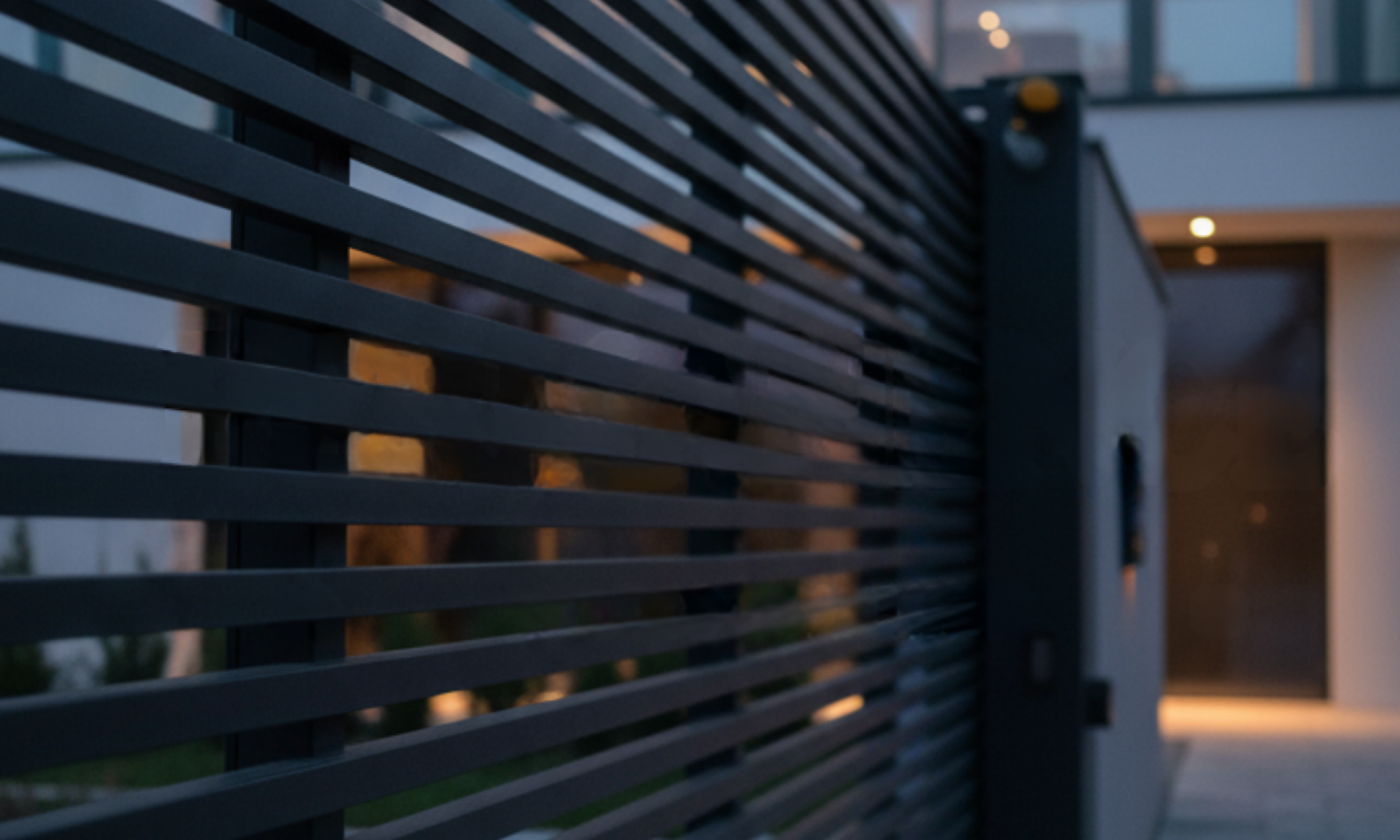
Solid or closely boarded-style aluminium designs are popular where privacy is a priority. They can help shield side access routes or create a cleaner visual barrier between public and private space. Open-bar or spaced infill designs are often preferred where visibility matters more, or where you want a lighter look from the street.
Height is another practical decision. A lower gate may be enough to define a front boundary, while a taller side or rear gate can provide more security and screening. The ideal height often depends on the property layout, neighbouring boundaries and whether the gate is intended mainly as a visual feature or a stronger access control point.
Then there is colour. Black, anthracite grey and white remain popular for good reason – they work with a wide range of brickwork, render and landscaping styles. But bespoke colour options can be worthwhile if you are matching existing joinery, railings or architectural features. The finish should not feel like an afterthought. A well-chosen powder-coated finish helps the gate sit naturally within the wider property rather than looking added on.
Bespoke or readymade – which makes more sense?
This is one of the most common buying decisions, and it depends on the property, the opening and the level of design control you want.
A readymade gate can be the right answer if the opening is straightforward and you want to keep the process moving. It can offer a practical route for homeowners or trade buyers working to a clear budget and timescale. If the dimensions fit and the style suits the property, there is no reason to overcomplicate the decision.
Bespoke aluminium garden gates are usually the better fit when the opening size is unusual, the ground levels are awkward, or the design needs to match existing perimeter products. Custom manufacture also gives more freedom on height, width, infill pattern, decorative details and colour. That matters when the gate is highly visible or part of a wider entrance scheme.
There is a cost difference, of course, and bespoke is not always necessary. But where standard sizes create compromise, a made-to-order gate can save trouble later and deliver a more finished result.
Security matters, but so does everyday usability
Most customers want a garden gate to improve security, but that should not come at the expense of daily convenience. A gate that is too heavy, awkward to latch or poorly aligned quickly becomes frustrating.
One of aluminium’s strengths is its lower weight. That can make opening and closing easier, reduce strain on posts and hinges, and support better long-term operation. For pedestrian gates used multiple times a day, that usability makes a real difference.
Locking options also need to suit the site. A simple latch may be fine for an internal garden divide, while a side access gate to the rear of a property usually needs a more secure locking arrangement. For commercial or higher-spec residential projects, access control can be taken further with automation and intercom integration, although that tends to be more common on larger entrance gates than smaller garden gates.
The key is to match the level of security to the level of risk and use. More hardware is not always better. The right hardware is what matters.
Installation is just as important as the gate itself
A quality gate can only perform properly if it is installed correctly. Posts need to be suitable for the gate size and weight, fixings need to suit the wall or ground condition, and clearances need to be set properly so the gate opens and closes without catching or dropping.
This is where experienced guidance matters. A narrow opening, sloping driveway edge or uneven boundary line can change the best approach entirely. In some cases, what looks like a simple gate replacement turns into a wider conversation about posts, adjoining fencing or access width.
For homeowners, that can be difficult to judge without specialist advice. For builders, developers and architects, it is often about making sure the product specification aligns with the site conditions from the start. Getting those details right early helps avoid delays, rework and disappointing finishes later.
How to choose the right supplier for aluminium garden gates
Not all gates that look similar on screen are equal in build quality, finish or support. It is worth looking for a supplier that can explain the difference between readymade and bespoke options clearly, advise on suitability rather than pushing a single route, and provide transparent pricing from the outset.
Product range also matters. If a supplier understands garden gates in the wider context of fencing, railings, driveway gates and access control, it is usually easier to create a coordinated result. That is particularly useful for customers planning a full perimeter upgrade rather than a standalone gate.
Support should feel practical, not vague. Whether you are a homeowner buying your first gate or a trade customer working to specification, you should be able to discuss dimensions, styles, finishes, lead times and installation options with someone who understands what will work on site. That is the value of dealing with a specialist such as Aluminium Gates Direct rather than treating the gate as a generic online purchase.
A well-chosen garden gate should not become another maintenance job waiting to happen. It should fit the opening properly, suit the property and keep doing its job without demanding constant attention. If you are weighing up your options, aluminium is worth serious consideration – not because it is fashionable, but because it solves the practical problems that cause frustration later.