
A gate often looks straightforward until you have to buy one. Then the questions start quickly – swing or sliding, bespoke or readymade, manual or automated, solid privacy or open design, domestic or commercial grade. A good aluminium gate buying guide should make those decisions simpler, not more confusing, and that starts with understanding what matters most for your property, access needs and budget.
Aluminium has become a popular choice for a reason. It gives you the appearance and presence people want at the front of a home or site, without the ongoing upkeep that often comes with timber or the weight and corrosion issues that can come with some steel products. For many buyers, the appeal is practical as much as visual. You want a gate that looks right on day one and still performs well years later.
Why aluminium is often the right long-term choice
The biggest advantage of aluminium is that it offers a strong balance of durability, weight and maintenance. It is lightweight compared with steel, which can make a real difference for both installation and day-to-day operation, particularly on larger driveway gates or automated systems. Less weight can mean less strain on hinges, posts and motors when the system is properly specified.
It also suits the British climate well. A gate will spend its life exposed to rain, dirt, wind and changing temperatures, so the finish matters. Powder-coated aluminium is designed to stand up to that exposure with very little routine maintenance beyond normal cleaning. If you are replacing a timber gate because you are tired of sanding, painting or dealing with movement over time, aluminium is usually a very sensible upgrade.
That said, not every aluminium gate is equal. The quality of the profile, fabrication, finish and hardware all affect how well it performs. Buying purely on headline price can be a false economy if the gate is not suited to the opening or the level of use.
Aluminium gate buying guide: start with how the gate will be used
Before comparing styles, it helps to be clear about the job the gate needs to do. A front garden pedestrian gate has different requirements from a pair of automated driveway gates, and both are very different from a commercial entrance where access control and higher traffic volumes may be involved.
For residential buyers, the usual priorities are security, kerb appeal, privacy and ease of use. Some want a statement entrance with ornate detailing. Others prefer a simpler modern design that complements new windows, doors or fencing. If children or pets are part of the picture, containment may be just as important as appearance.
For developers, builders and commercial buyers, specification becomes more detailed. Clearance, frequency of use, automation compatibility, intercom access and overall site presentation all need to be considered early. In those cases, a gate is part of a wider perimeter solution rather than a standalone purchase.
The key point is simple: buy for the real use case, not just the photo that looks best.
Choosing between swing gates and sliding gates
This is one of the earliest decisions because it affects layout, installation and cost. Swing gates are a popular choice for domestic properties because they suit many driveways and can work well with both traditional and contemporary designs. They can be supplied as single or double leaf gates depending on the width of the entrance and the available space.
However, swing gates need room to open safely and correctly. Ground levels, rising driveways and vehicle parking positions all matter. If the driveway slopes sharply or space behind the opening is restricted, a sliding gate may be the better answer.
Sliding gates are often chosen where space is tight or where buyers want a more controlled opening path. They can also be a strong option for commercial premises. The trade-off is that they need enough run-back space to one side, and the groundwork and supporting setup can be more involved. In short, sliding gates solve some access problems but introduce their own practical requirements.
Bespoke or readymade?
If your opening is standard and your priorities are speed and value, a readymade gate can be a very good option. It can reduce lead times and keep the process straightforward, particularly for garden gates or more conventional driveway layouts.
Bespoke gates come into their own when the opening is unusual, the design needs to match existing fencing or railings, or the property calls for a more tailored finish. Many homeowners underestimate how much difference made-to-measure sizing can make to the final look. A gate that fits the opening properly and aligns with the property style will usually look far more considered than a close-enough alternative.
For trade and project buyers, bespoke manufacture is often less about appearance and more about specification. You may need a certain height, infill pattern, frame detail, access width or automation-ready design. In those situations, made-to-order is usually the right route.
Style, privacy and planning the look
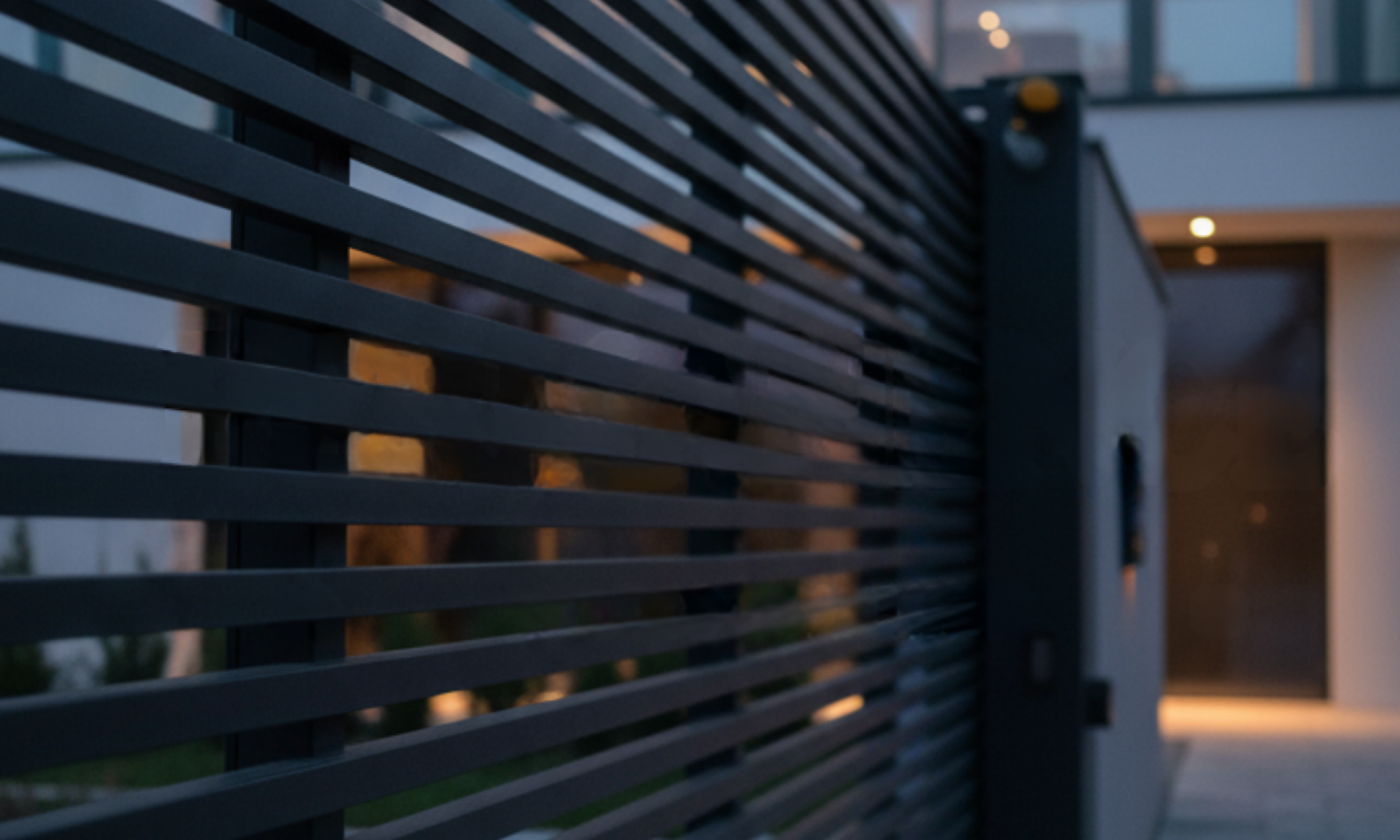
The design of the gate should suit the building rather than compete with it. Modern properties often work well with clean horizontal lines, minimalist frames and solid or semi-solid infill. Period homes may suit more decorative or ornate styles. If there are existing railings, fencing or balconies nearby, it helps to think about the wider visual picture.
Privacy is another practical decision. An open design gives visibility and can feel lighter from the street, but it offers less screening. A more solid design creates privacy and can make an entrance feel more secure, though it may also block sightlines when vehicles are exiting. Sometimes a semi-open design gives the best compromise.
Colour should not be an afterthought either. Black, anthracite grey and other neutral shades remain popular because they suit a wide range of properties, but the right finish depends on the setting. A gate should look like it belongs to the property, not like a separate add-on.
Getting the measurements and specification right
Accurate measuring is where good gate projects are won or lost. Width and height are only the starting point. You also need to account for levels, hinge space, post requirements, clear opening width, ground clearance and whether automation will be fitted now or later.
On driveway gates, think carefully about the vehicles using the entrance. A gate that technically fits a car may still feel awkward if turning space is limited. For commercial sites, delivery access, pedestrian segregation and frequency of operation all need to be reflected in the specification.
This is where expert guidance matters. A reliable supplier will not just ask for rough sizes and send a price. They should help establish whether the chosen design is suitable for the opening, the usage and any automation plans.
Manual or automated operation
Automation can transform how a gate is used, especially on busy driveways or commercial entrances. It adds convenience, supports access control and can improve the overall experience of arriving at a property. Integrated intercom systems are also increasingly popular, particularly where security and visitor management are important.
But automation should be planned properly. The gate design, weight, hinge arrangement, opening method and power supply all influence what system is suitable. Retrofitting later is possible in some cases, but it is generally better to think ahead. Even if you install the gate as manual initially, preparing for future automation can save time and cost later.
There is also an honesty point here: automation adds cost, and not every site needs it. If a side gate is used occasionally, manual operation may be entirely practical. The right choice depends on frequency of use, convenience, security requirements and budget.
Budgeting without focusing only on the gate price
A gate quote should be looked at as part of the full project cost. Depending on the site, that may include posts, fittings, groundwork, automation, intercoms, delivery and installation. A cheaper gate can become expensive if it is not suitable and has to be adapted on site.
Value is usually found in buying the right specification first time. A well-made aluminium gate may cost more upfront than a lower-grade alternative, but the reduced maintenance and longer service life often make it the better financial choice over time. This matters particularly for buyers replacing timber gates repeatedly or managing several plots or units.
Transparent pricing also matters. Buyers should understand what is included, what is optional and what may depend on site conditions. Clear advice at quotation stage avoids disappointment later.
A final check before you buy
The best aluminium gate buying guide always comes back to fit for purpose. Does the gate suit the opening, the property and the way the entrance is used every day? Is the design right for the building? Is the specification strong enough for the level of use? And if automation is planned, has the gate been chosen with that in mind?
For UK buyers, aluminium is a strong all-round choice because it combines appearance, durability and low maintenance in a way that suits both homes and commercial sites. The real difference comes from choosing carefully and getting proper advice before the order is placed. If you take the time to match the product to the project, the finished result should feel less like a purchase and more like a long-term improvement to the property.