Choosing a new gate often starts with appearance, but the real difference between aluminium vs wooden gates shows up after installation. A gate has to do more than look right on day one. It needs to cope with British weather, daily use, security demands and the level of maintenance you are realistically willing to take on.
For some properties, timber still has strong appeal. It can feel warm, traditional and familiar, especially in rural settings or period homes. Aluminium, however, has become the practical choice for many homeowners, developers and commercial buyers because it offers a cleaner long-term proposition – less upkeep, strong performance and more design flexibility than many people expect.
Aluminium vs wooden gates: the biggest differences
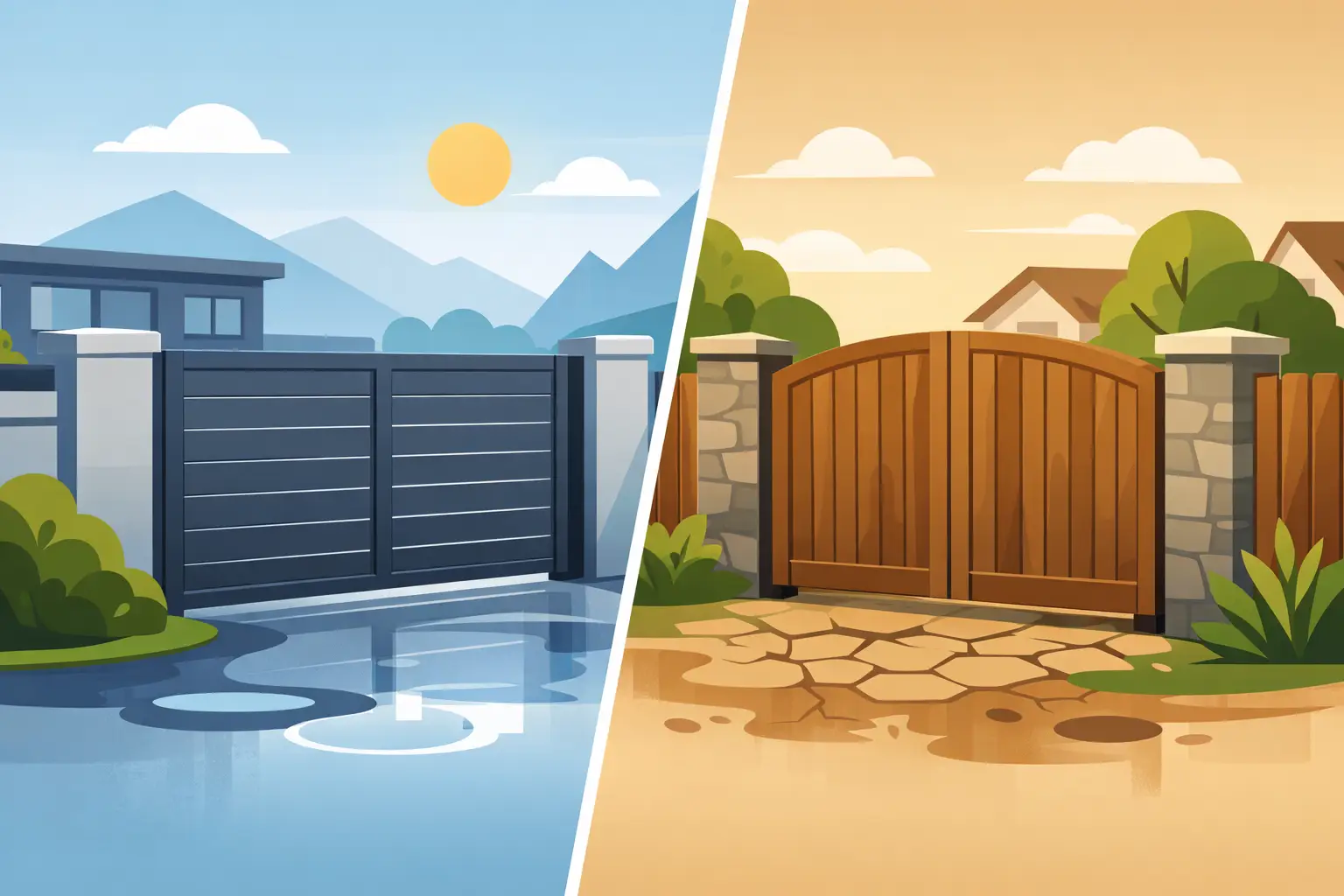
The clearest distinction is maintenance. Wooden gates need ongoing care to stay looking good and structurally sound. That usually means staining, painting or sealing, along with regular checks for moisture damage, movement and wear. Aluminium gates are far less demanding. A quality powder-coated finish is designed to cope with the elements without the same cycle of repainting and repair.
Weight is another major factor. Timber gates can be heavy, particularly on wider driveways. That extra weight affects hinges, posts, automation and general wear over time. Aluminium is lightweight but still strong, which makes it easier to handle and often better suited to automated systems.
Lifespan matters too. Wood can last well if it is high quality and carefully maintained, but that condition comes with effort. Aluminium is naturally resistant to rust and does not absorb moisture in the same way, so it generally offers a more predictable long-term result.
Appearance and kerb appeal
Wooden gates have a natural charm that many buyers still value. On cottages, farmhouses and more traditional homes, timber can look immediately at home. Grain, texture and variation in tone are part of that appeal, and some customers prefer the softer, more organic finish that only real wood provides.
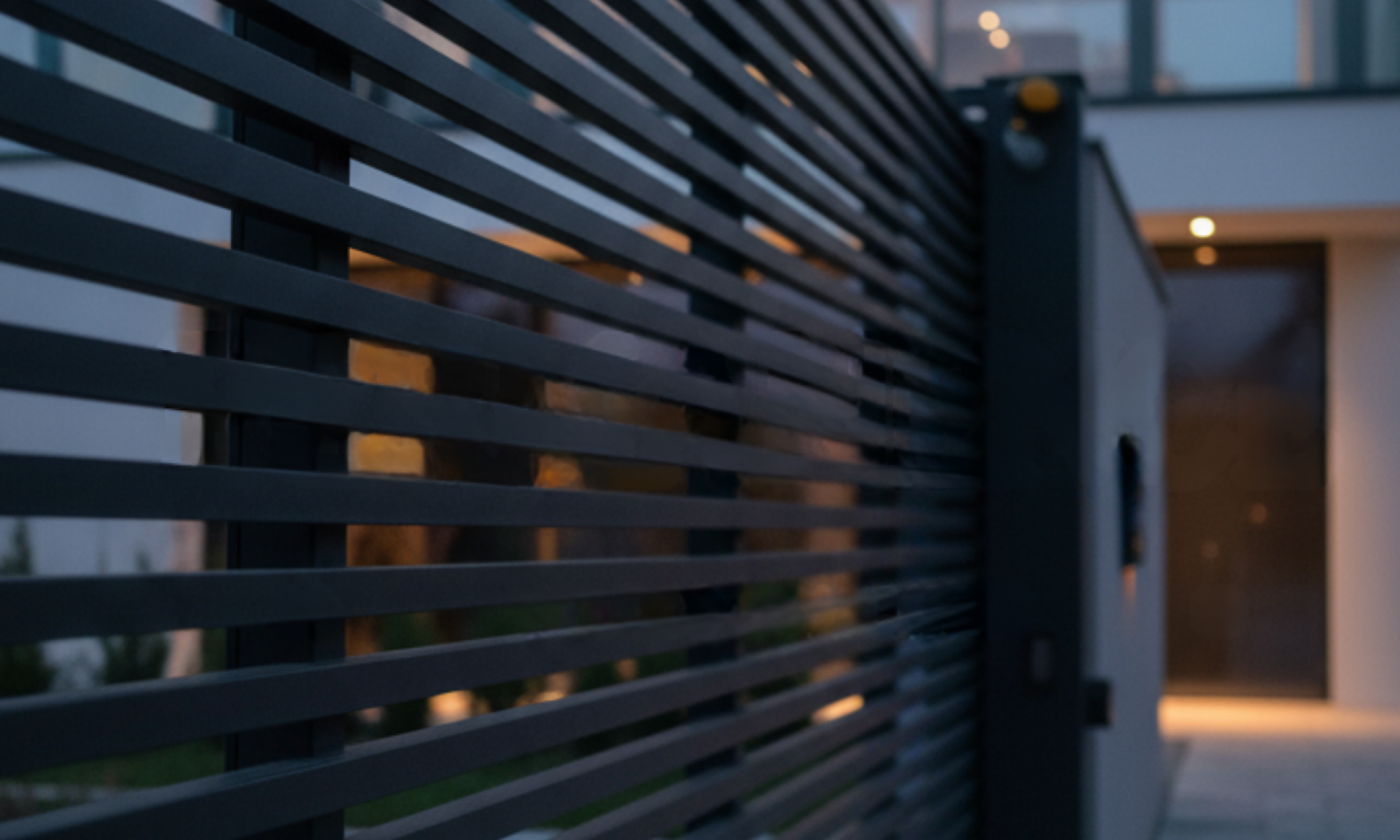
That said, aluminium is no longer limited to plain or overly modern styles. Contemporary aluminium gates are available in a wide range of designs, from sleek horizontal slats to more classic boarded and framed looks. Wood-effect finishes have also improved significantly, giving buyers the appearance of timber without the same maintenance burden.
For developers and commercial sites, aluminium often offers more consistent presentation. The finish is uniform, colours are stable and the gate continues to look tidy without the fading, cracking or patchiness that can affect timber over time. If presentation matters across multiple plots or a larger perimeter project, consistency becomes a genuine advantage.
Maintenance is where the decision often gets made
This is usually the point where preferences become practical. A wooden gate can look excellent when new, but it rarely stays that way without attention. British rain, changing temperatures and general exposure all take their toll. Even treated timber can warp, swell, split or discolour as time passes.
That does not mean wood is a poor choice. It means the buyer needs to be honest about upkeep. If you are happy to sand, repaint or re-treat the gate when needed, timber may still suit your property. If you want the gate to keep its appearance with minimal intervention, aluminium is the more straightforward option.
For landlords, busy homeowners and commercial buyers, reduced maintenance is not just a convenience. It is a cost and time saving over the life of the gate. A low-maintenance material can remove repeated decorating costs and reduce the likelihood of avoidable repairs.
Durability in UK weather
A gate in the UK has to handle wet winters, bright summer sun, wind and constant temperature shifts. That is where material behaviour really matters.
Timber is vulnerable because it is porous. It takes on moisture, dries out, expands and contracts. Over time, this movement can affect alignment, create cracks and weaken joints. In exposed areas, especially coastal or high-rainfall locations, the weathering process can be faster than many buyers expect.
Aluminium does not rot, and it does not suffer from insect damage. It is also resistant to rust, which makes it particularly useful for long-term external use. When finished properly, it stands up very well to typical UK conditions. That reliability is one of the main reasons more customers are moving away from timber for driveway and garden gates.
Security and strength
There is a common assumption that heavier means stronger. In practice, gate security depends on the overall design, frame construction, locking setup, posts and installation quality – not simply on weight.
A well-made aluminium gate can provide excellent security. Because aluminium is strong relative to its weight, it allows for rigid, dependable gate construction without placing excessive strain on hardware or motors. This is especially useful for wider entrances and automated gates, where balance and mechanical reliability are important.
Wood can also be secure, but it is more susceptible to gradual degradation. If boards loosen, frames shift or moisture affects the structure, the gate may become less stable over time. For residential security, both materials can work well when properly specified. For higher-use entrances or commercial applications, aluminium often offers the more dependable long-term performance.
Aluminium vs wooden gates on cost
Upfront cost is only part of the picture. In some cases, a basic timber gate may appear cheaper at the start. That can make it attractive for buyers working to a strict initial budget. However, a cheaper purchase price does not always mean lower overall value.
Wooden gates can bring added costs later through treatment products, repainting, repairs, hinge adjustments and eventual replacement if weathering becomes severe. Aluminium gates may cost more initially depending on size, style and whether the design is bespoke, but they often work out better over time because upkeep is so much lower.
This is particularly relevant for developers, landlords and site managers who need predictable long-term costs. The less a product demands after installation, the easier it is to budget for.
Automation and everyday use
If you are considering electric gates, material choice becomes even more important. Heavier gates place greater demand on motors and moving parts. That does not mean timber cannot be automated, but it does mean the specification needs careful planning.
Aluminium is often the easier option for automation because its lower weight helps reduce strain on the system. Opening and closing can be smoother, hardware wear may be lower and installation can be more straightforward. For frequent-use driveways, shared entrances and commercial access points, that matters.
It also gives more flexibility when integrating access control such as intercom systems. A gate should not just open and close. It should work reliably as part of the wider entrance setup.
Which suits different property types?
Traditional homes may still lean towards timber, particularly where natural materials are central to the property’s character. If the owner is committed to maintaining that look, a wooden gate can be entirely appropriate.
Modern homes, new-build developments and many renovated properties often suit aluminium very well. The design range is broad enough to complement minimalist architecture, heritage-inspired exteriors and everything in between.
For commercial premises, schools, apartment blocks and managed sites, aluminium usually makes more sense. The lower maintenance requirement, cleaner finish and compatibility with automation are difficult to ignore when the gate is part of a working perimeter rather than a purely decorative feature.
The right choice depends on how you want to live with it
This is the part many buyers overlook. The best gate is not simply the one that looks best in a brochure. It is the one that still suits your property, budget and routine years after it is fitted.
If you enjoy the character of timber and are prepared for the upkeep, wood can still be a good option. But if you want a gate that stays smart, performs reliably and asks very little in return, aluminium is hard to beat. That is why so many customers now choose it for driveways, gardens and commercial entrances alike.
At Aluminium Gates Direct, we often speak to buyers who begin by assuming timber is the more traditional or cost-effective route, only to realise that long-term maintenance changes the equation. Once the full picture is clear, aluminium tends to offer the better balance of appearance, durability and value.
A gate is one of the first things people see when they approach a property, but it is also something you have to live with. Choosing the material that fits not just the building, but the day-to-day reality, usually leads to the better result.