
A mismatched boundary shows up quickly. A smart new gate with tired fencing beside it rarely looks finished, and a strong fence line without the right access point can create practical problems from day one. That is why many buyers start by looking at fencing and gates packages rather than treating each element as a separate purchase.
For homeowners, that usually comes down to appearance, privacy and keeping maintenance low. For developers, builders and commercial buyers, it is often about consistency across a site, reliable lead times and making sure the specification works in practice. In both cases, buying the right package is less about finding a one-size-fits-all deal and more about making sure the gate, fencing, fittings and any automation work together properly.
Why fencing and gates packages make sense
When boundary products are chosen together, the result is usually better in both appearance and performance. Matching styles, finishes and heights create a cleaner look. More importantly, the practical details are easier to resolve early, from post positions and gate clearances to access width and fixing methods.
There is also a budget advantage in taking a package approach. It gives buyers a clearer view of the full project cost at the start, rather than pricing a gate first and discovering later that the fencing, posts or access control requirements push the total higher than expected. Transparent pricing matters, especially when you are balancing design preferences with a fixed budget.
This is particularly useful with aluminium systems. Aluminium offers a strong combination of low maintenance, long-term durability and lighter weight than many traditional alternatives. That makes it suitable for residential driveways and gardens, but also for larger openings, automated gates and commercial perimeters where reliability matters.
What should be included in fencing and gates packages?
The answer depends on the site, but a good package should do more than list a gate and a few panels. It should reflect how the boundary will actually function.
At the simplest end, a package may include gate leaf or leaves, posts, fencing panels or railings, hinges, latches and the necessary fixings. For more tailored projects, it may also include bespoke sizing, matching pedestrian and driveway gates, infill styles, powder-coated finishes, automation equipment and intercom entry systems.
That is where specification becomes important. A domestic side gate package for a garden entrance is very different from a front boundary solution for a new-build development or a commercial sliding gate with controlled access. The best package is not the one with the longest component list. It is the one that fits the intended use without overcomplicating the project.
Matching the package to the property
A front driveway installation has different demands from a rear garden boundary. The driveway often needs a wider opening, stronger visual impact and, in many cases, preparation for automation. Garden boundaries may place more emphasis on privacy, softer styling and easy day-to-day use.
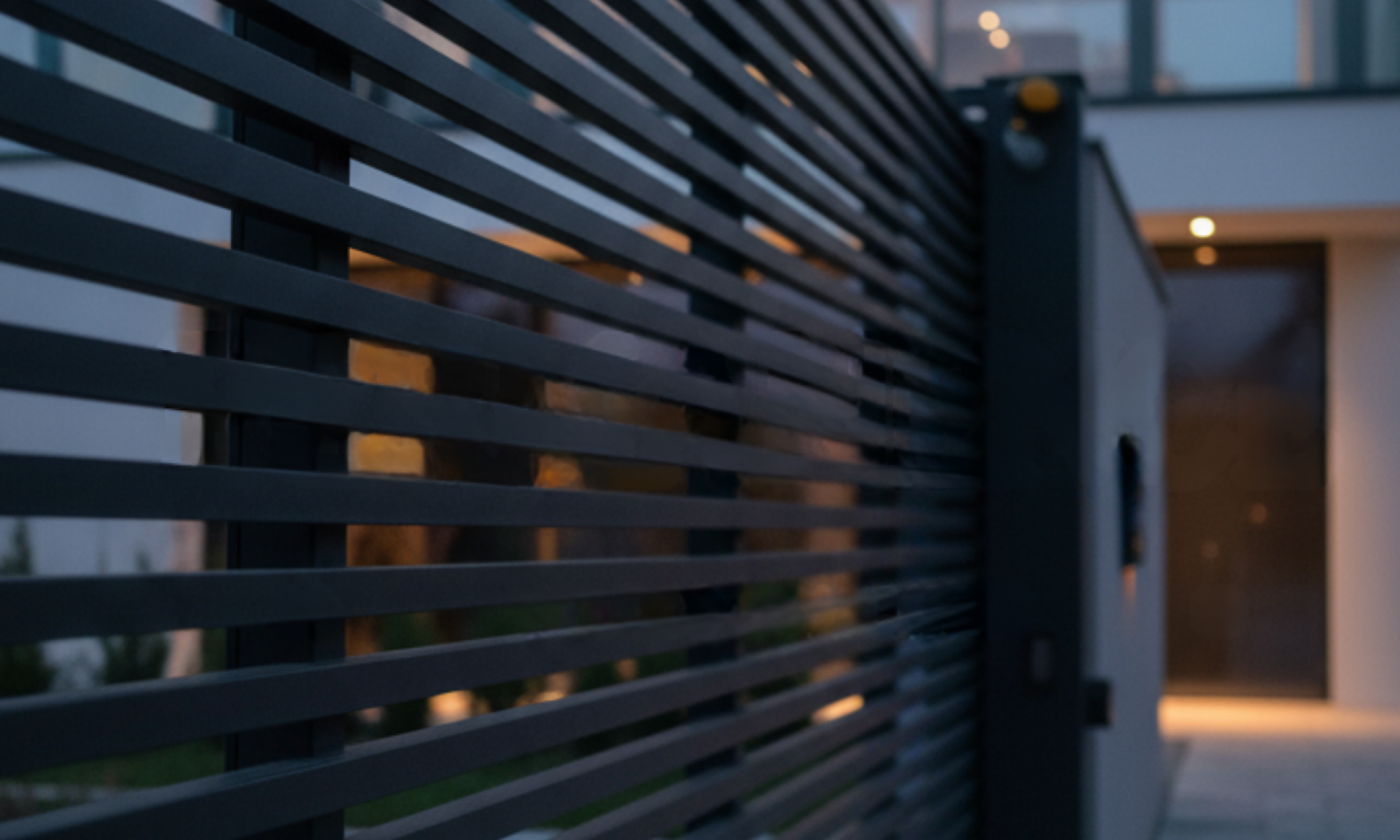
For residential properties, buyers often want a coordinated look across driveway gates, pedestrian gates and fence runs. This is where material and finish consistency really matter. Aluminium is a strong option because it can suit both contemporary and more traditional designs, including simple slatted styles and more decorative options, without the regular repainting associated with timber or steel.
For commercial sites, the focus usually shifts towards perimeter security, traffic flow and controlled entry. A package may need to incorporate higher fencing, more heavy-duty gate hardware, automation and intercom access. Site managers and specifiers also need confidence that the chosen system will stand up to regular use and present the business well from the roadside.
Material choice matters more than many buyers expect
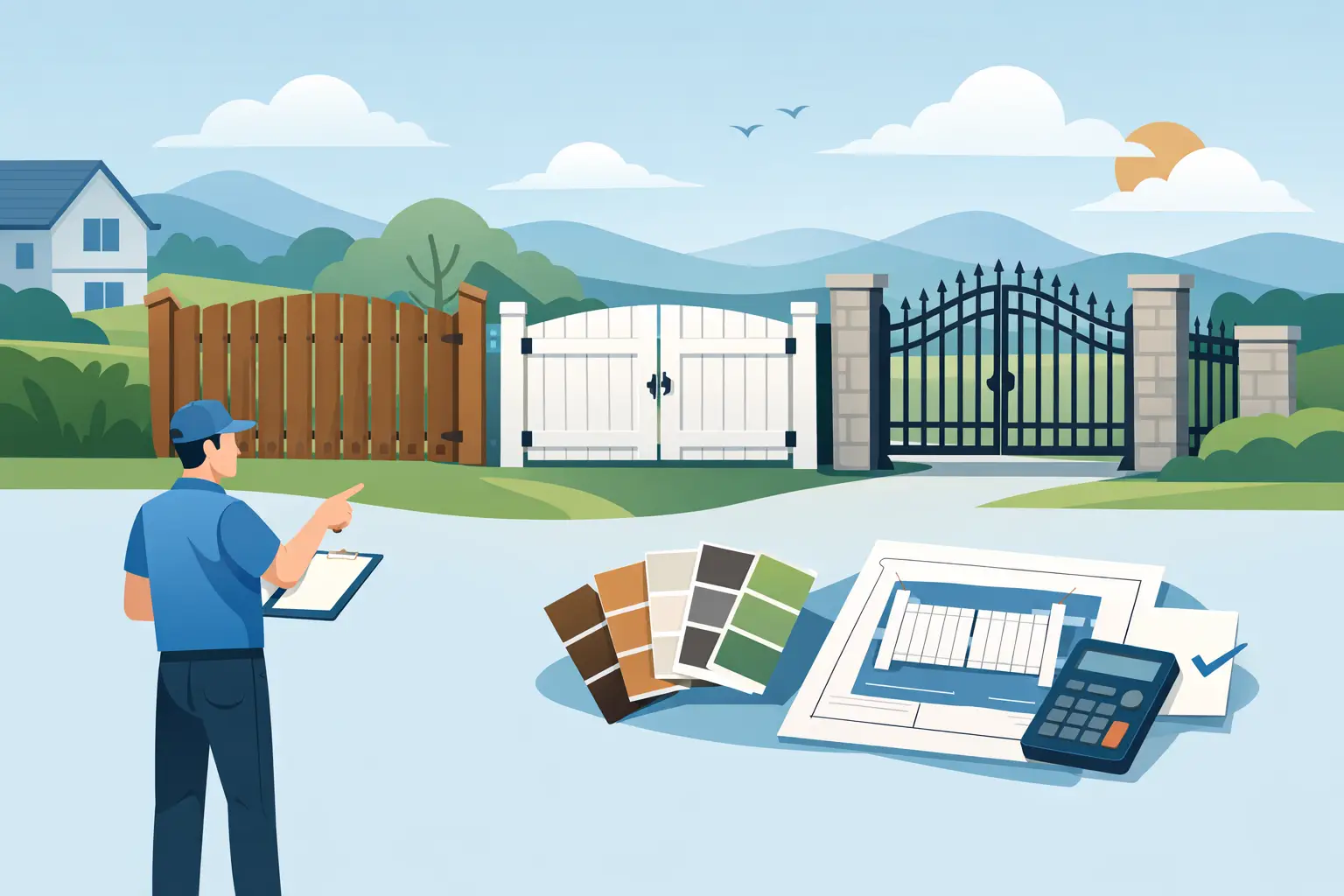
Price often starts the conversation, but material choice affects almost everything after that. Timber may have a lower entry cost in some cases, but it demands ongoing maintenance and can change over time with weather exposure. Steel is strong, though it may require more upkeep to protect its finish, particularly in exposed locations.
Aluminium appeals to many buyers because it keeps long-term maintenance low while still offering strength, stability and a quality finish. It will not rust in the way steel can, and it does not require the staining or repainting that timber typically needs. For busy homeowners and commercial buyers alike, that lower upkeep is not a minor benefit. It is often one of the main reasons for choosing aluminium in the first place.
That said, material choice still depends on priorities. If a project is highly price-driven in the short term, there may be trade-offs. If the goal is long service life, consistent appearance and reduced maintenance, aluminium packages usually offer better long-term value.
Design, privacy and security need balancing
A package that looks right on paper can still disappoint if it does not suit the way the property is used. Full privacy fencing may be ideal for some gardens, but it can feel too enclosed on an open front elevation. Decorative railings can improve visibility and presentation, but they may not provide the same screening as a solid infill design.
The same applies to gates. Swing gates can be an excellent choice where there is room for them to operate safely and cleanly. Sliding gates are often better for wider openings or sites with limited swing clearance, though they need suitable run-back space and careful planning. Pedestrian access also needs thought. If people will regularly enter on foot, a matching side or entrance gate can make the layout more practical and reduce wear on a main driveway gate.
Security has to be considered in context. Some buyers need a neat, low-maintenance front boundary that improves kerb appeal. Others need stronger deterrence, controlled access and integration with automation or intercom systems. There is no single right answer. The package should reflect the level of access control and perimeter protection the site genuinely needs.
Installation and site conditions can change the decision
Even the best-looking package needs to work on site. Ground levels, access restrictions, existing walls or piers and the available fixing points all affect what is possible. This is one reason why expert guidance matters, especially for bespoke or automated installations.
A sloping driveway may influence gate style and opening direction. Uneven ground can affect fence alignment and post installation. On commercial projects, vehicle turning space and safe access routes may shape the whole layout. These are not small technicalities. They can determine whether a product works smoothly for years or becomes a frustration soon after installation.
This is also where support from a specialist supplier adds value. A buyer may already know the look they want, but still need help narrowing down widths, heights, finishes and operating options. Others may need guidance from the start, including whether a readymade solution is suitable or a made-to-order package is the better route.
Bespoke or readymade?
This is one of the most common decisions. Readymade packages can be a good fit when the opening sizes are standard, the project is straightforward and lead time is a priority. They can help keep the process simple and cost-effective.
Bespoke packages are usually the better choice when dimensions are unusual, the design needs to match a specific property style or the gate and fencing need to integrate with existing boundaries. For developers and trade buyers, bespoke options can also help maintain consistency across multiple plots or meet a more exact specification.
Neither route is automatically better. It depends on the site, the finish expected and how much flexibility the project requires.
Getting the right advice before you buy
The best results usually come from asking a few practical questions early. What level of privacy is needed? Is automation likely now or later? Does the layout need separate vehicle and pedestrian access? Are you prioritising price, appearance, low maintenance or security?
Once those points are clear, choosing a package becomes far easier. A dependable supplier should be able to talk through the trade-offs in plain English, explain what is included, and make clear whether the project is best served by a standard package or a more tailored solution. That clarity helps avoid costly changes later.
At Aluminium Gates Direct, this is exactly where a package approach helps customers most. It turns what can feel like a fragmented buying process into a more joined-up decision, with gate style, fencing design, finish, automation and installation support considered together.
If you are planning a new boundary or replacing an outdated one, it is worth taking a step back before ordering separate parts. The right package should not just fill an opening or mark a boundary line. It should make the whole property work better, look sharper and ask less of you over time.