
A garden gate is often used more than any other entrance around the property. It needs to open cleanly when you are carrying bins, bikes or gardening equipment, look right alongside the fence, and keep children, pets and unwanted visitors where they should be. Knowing how to select garden gates starts with the everyday job the gate must do, not simply the style you like most.
The right choice balances access, privacy, security, proportions and maintenance. A narrow side passage calls for a different solution to a wide garden entrance, while a gate at the front of a period home may need a more decorative finish than one separating a private rear garden from a driveway.
Start with the gate’s purpose
Before considering colours, slats or decorative details, decide what the gate needs to achieve. A pedestrian garden gate may simply define a boundary and provide convenient access. In other cases, it may need to secure a side passage, contain a dog, create privacy from a neighbouring path or provide a lockable entrance for tradespeople and deliveries.
This decision affects almost every part of the specification. A solid or closely slatted design offers greater privacy, although it can catch more wind in exposed locations. Open railing-style designs allow light and air through, make a smaller garden feel less enclosed and can complement matching aluminium railings. They do not, however, offer the same screening.
Consider who will use the gate and how often. If it is the main route to a bin store or parking area, a practical latch and generous opening width matter more than intricate detailing. If it is a visible feature at the front or side of the property, appearance may carry equal weight.
How to select garden gates in the right size
Measuring is where many avoidable problems begin. Do not rely on an old gate’s dimensions, particularly if the existing timber posts have shifted, rotted or been installed unevenly. Measure the clear opening between the finished supporting posts or walls at the top, middle and bottom, then work from the smallest measurement.
The gate itself needs allowance for hinges, latches and operating clearance. The precise deduction depends on the hardware and post arrangement, so it is best to confirm the required fitting gaps before ordering. A made-to-measure gate can be produced to suit the opening, while a readymade option may be more suitable where the available sizes align and faster delivery is a priority.
Check the swing before you commit
Most garden gates are single-leaf swing gates, but the direction of swing is as important as the width. Walk through the route and identify obstacles on both sides: steps, raised beds, outdoor taps, wheelie bins, parked vehicles and sloping ground can all restrict movement.
A gate should normally open into your own land rather than across a public pavement or shared access. On a slope, the ground clearance needs careful thought. A gate that is level at the hinge post may scrape as it swings, leaving you with an entrance that looks good but is frustrating to use. In some locations, rising hinges, a carefully adjusted threshold or a revised gate arrangement may be needed.
For family homes, think ahead. A 900mm opening may suit foot traffic, but a wider opening can make moving a lawnmower, pram or garden furniture far easier. Conversely, an oversized gate can feel heavy and may require more substantial posts and hardware. The best width is the one that supports real use without overwhelming the space.
Choose a material that suits the setting and upkeep you want
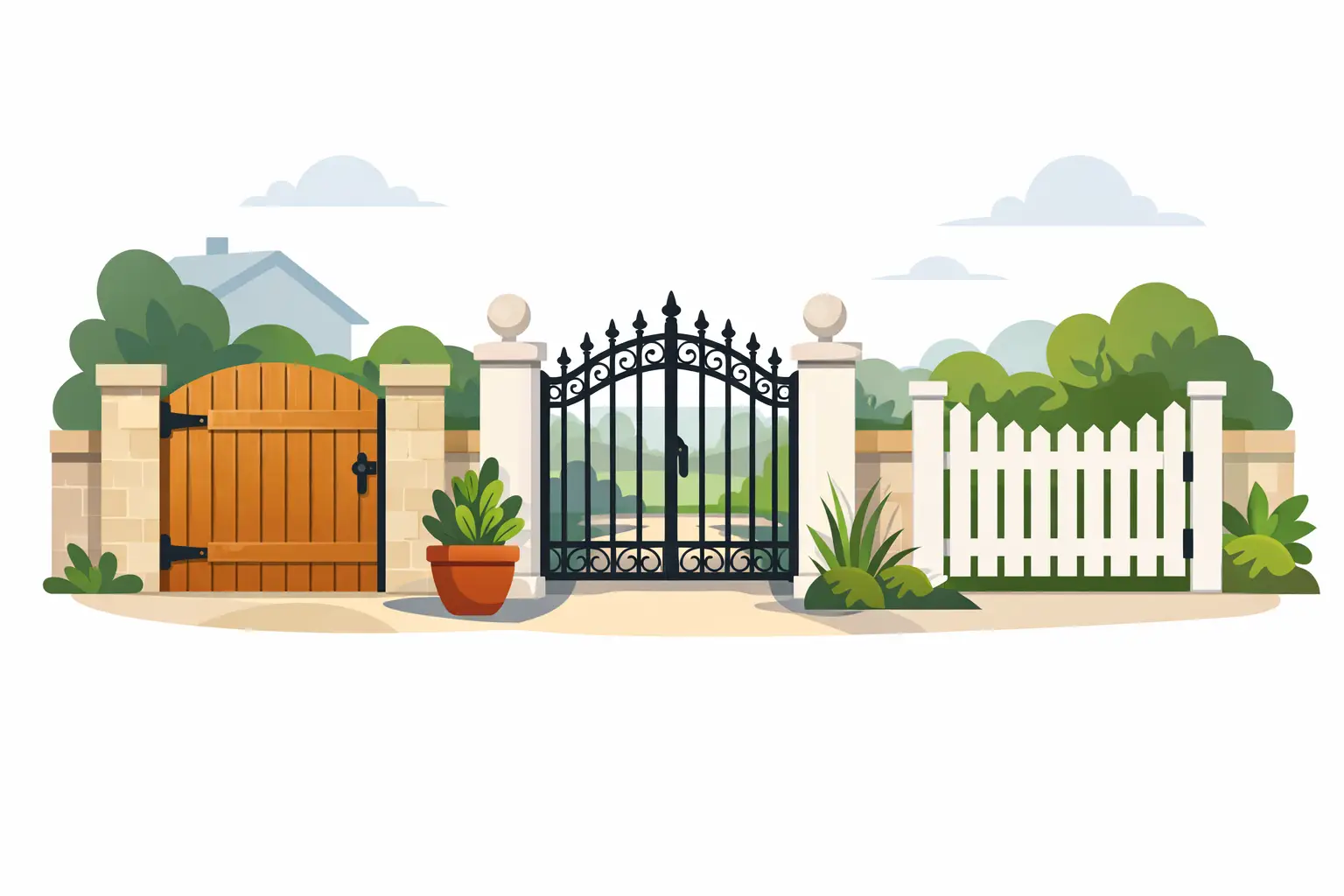
Timber has a traditional appearance and can work well with older properties, but it needs regular treatment and may move, split or fade with the weather. Steel is strong and can create a classic ornate look, although it requires protection against corrosion and occasional repainting where coatings are damaged.
Aluminium garden gates offer a practical alternative for homeowners who want a durable, low-maintenance finish. Aluminium does not rust, is lightweight compared with steel and can be powder-coated in a wide choice of colours. It is particularly well suited to gates used daily, coastal or damp environments, and properties where ongoing sanding, staining and painting are not appealing.
Low maintenance does not mean no care at all. Hinges, locks and latches should still be checked periodically, and the surface benefits from a simple wash to remove dirt and airborne deposits. The larger advantage is that the gate does not demand the repeated preservation work associated with many timber and steel alternatives.
Match the design to the property, not just the latest trend
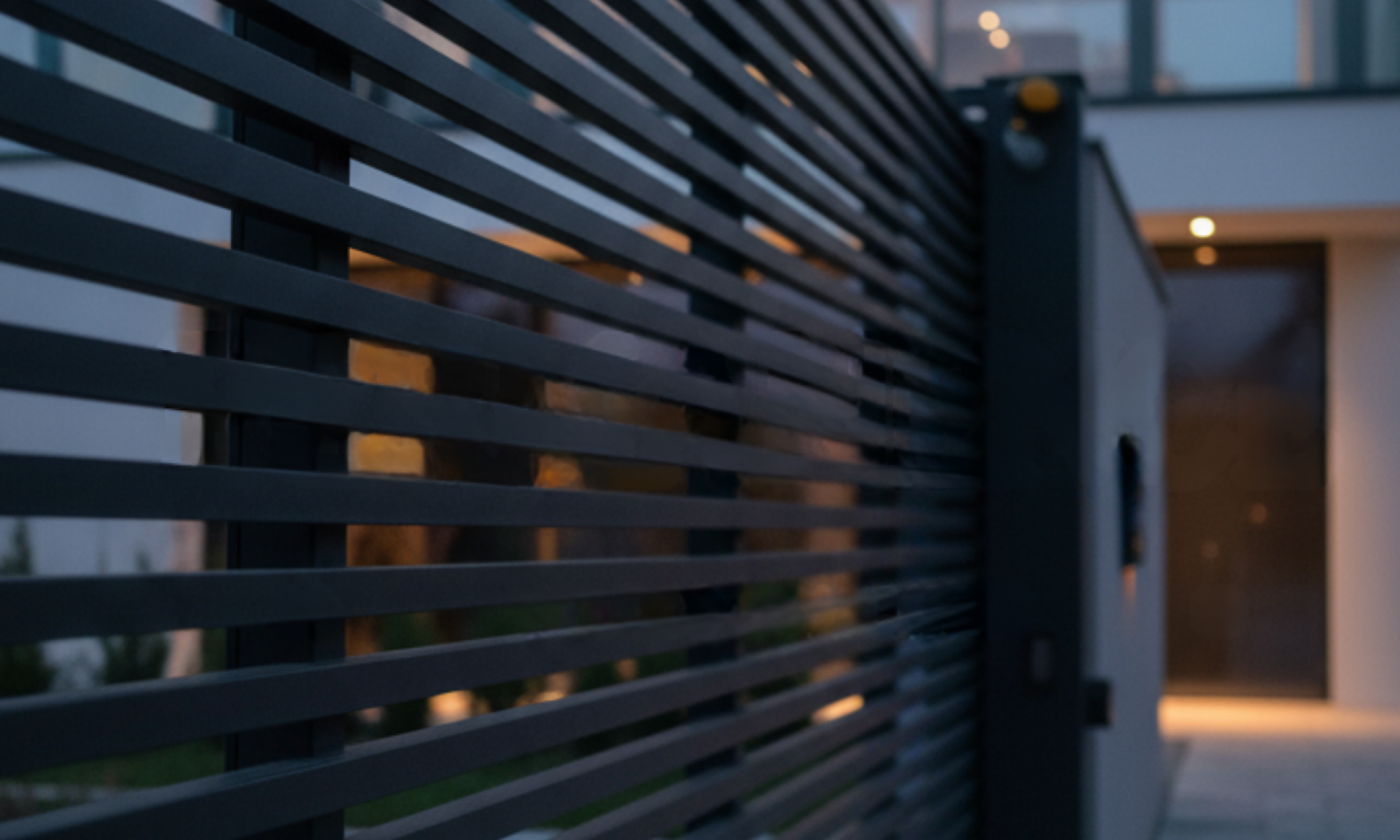
A garden gate should feel connected to the rest of the boundary. Look at the fencing, railings, driveway gate, brickwork and windows before choosing the profile. Horizontal slats create a clean, contemporary look and suit modern extensions or new-build homes. Vertical boards or more traditional panel arrangements can sit more naturally with cottages and established gardens. Ornate details may suit period properties, but they need enough space around them to be appreciated rather than appearing busy.
Colour makes a significant difference. Anthracite grey and black remain popular because they work with many brick and render finishes, while green can soften a gate against planting and natural surroundings. A bespoke colour can tie the gate to window frames or exterior joinery, but consider how it will look throughout the year, not only against summer foliage.
Privacy is another design decision. Fully solid panels give the strongest screening but can make a narrow side passage feel closed in. Spaced slats offer a compromise, allowing some visibility and light while obscuring direct views. If security is the priority, avoid designs with wide gaps or horizontal elements that could make climbing easier.
Do not treat posts, hinges and latches as afterthoughts
A well-made gate depends on a properly prepared support structure. Posts must be strong enough for the gate’s weight and fixed securely in suitable foundations or to sound masonry. If existing posts lean or show signs of movement, replacing them before fitting a new gate is usually the sensible route.
Hardware should match the level of use and security required. A basic latch may be sufficient for an internal garden division, while a lockable latch, key-operated lock or access-controlled lock is more appropriate for a side entrance or boundary gate. Self-closing hinges can be useful where pets or young children are involved, but they must be selected and adjusted correctly so the gate closes reliably without slamming.
For exposed locations, discuss wind loading with your supplier. A broad, solid gate presents more surface area to strong gusts than an open design. In those conditions, heavier-duty hinges, posts and closing hardware may be worthwhile. This is one of those cases where choosing the cheapest hardware can cost more later in adjustment, repair or replacement.
Consider security, access and future upgrades
A garden gate does not need full driveway-gate automation to be secure and convenient. A good lock, appropriate hinge arrangement and correctly positioned latch can make a substantial difference. Position the latch at a comfortable height, ensure it can be used from the required side, and avoid creating a gap that makes it easy to reach through and release.
Where the gate forms part of a wider perimeter project, it is worth planning the whole system together. Matching pedestrian gates, fencing, railings and driveway gates create a more considered finish and can simplify colour matching. For higher-security homes, developments or commercial sites, access control and intercom systems may be appropriate, especially where the pedestrian entrance is used regularly.
Planning requirements can also apply, particularly for gates close to a highway, listed buildings, conservation areas and developments with specific conditions. Requirements vary by location and height, so check with the relevant local planning authority before installation if there is any doubt.
Set a realistic budget for the complete job
The gate panel is only one part of the cost. Include posts, hinges, latch or lock, groundworks, removal of the old gate, delivery and installation when comparing options. A lower initial price can be misleading if it excludes the hardware or preparation needed to fit the gate safely.
Bespoke aluminium garden gates generally cost more than standard sizes, but they can avoid awkward filler panels, compromised proportions and on-site alterations. Readymade gates can be excellent value for straightforward openings and projects with tighter timescales. The right route depends on how exact the opening is, how visible the gate will be and whether it needs to match other boundary products.
At Aluminium Gates Direct, customers can choose from readymade and made-to-measure aluminium options, with guidance on sizing, design, hardware and installation support through trusted partners nationwide. Bringing measurements, photographs and a clear picture of how the entrance will be used makes that conversation far more productive.
A garden gate should make daily life easier for years, not become another maintenance task or access problem. Take time to assess the opening, use and surrounding boundary, then choose a design and specification that works just as well on a wet Tuesday morning as it does in the first photograph after fitting.