
A boundary should frame your property, not become another weekend job. Timber panels can need staining, treating and replacing, while untreated steel may develop rust where paint chips or water collects. Understanding how aluminium fencing reduces upkeep can help homeowners, developers and site managers choose a perimeter solution that continues to look smart with far less routine attention.
Aluminium fencing is valued for its clean appearance, strength-to-weight ratio and resistance to the problems that commonly shorten the life of traditional fencing materials. It is not completely maintenance-free in the literal sense – every external surface benefits from an occasional clean and inspection – but it removes many of the repetitive tasks associated with wood and steel.
How aluminium fencing reduces upkeep over time
The main reason is simple: aluminium does not rust in the same way as ferrous metals such as mild steel. When aluminium is exposed to air, it develops a thin oxide layer that helps protect the metal beneath. This makes it well suited to British weather, where regular rainfall, damp conditions and temperature changes can take their toll on poorly protected materials.
A quality aluminium fence is also normally finished with a durable powder coating. The coating provides the visible colour and an added protective layer, helping the fence resist weathering, surface marks and fading. Unlike timber, it does not need regular preservative treatments to prevent rot, splitting or insect damage.
For a busy household, that can mean no annual sanding, staining or repainting programme. For a commercial property or development, it can reduce the labour and disruption involved in keeping long runs of perimeter fencing presentable.
No rot, warping or splintering
Timber has a natural warmth that suits many gardens, but it is an organic material. Moisture can lead to swelling, twisting, cracking and eventual rot, particularly around ground-level areas, cut ends and fixings. Even pressure-treated timber needs periodic care if it is to retain its appearance and service life.
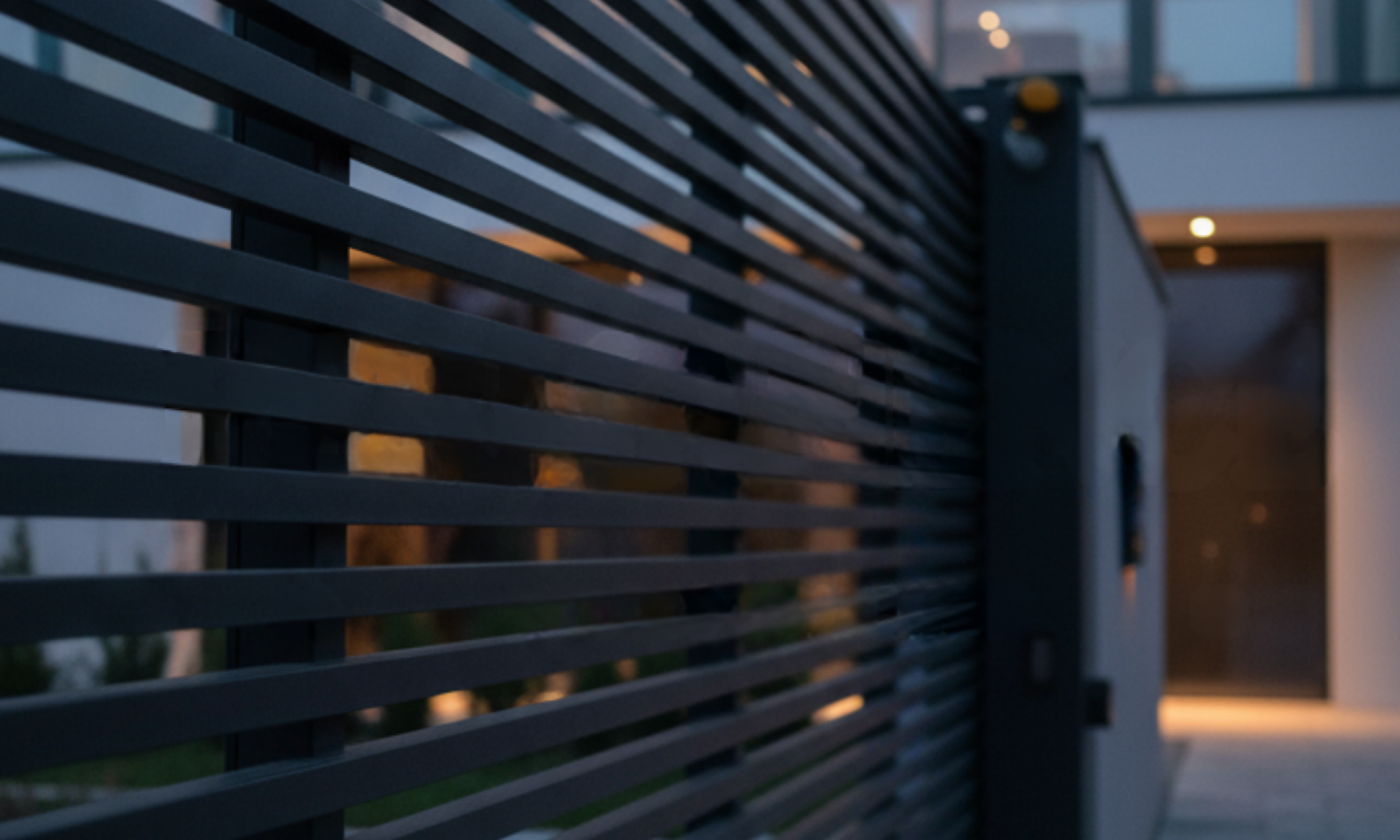
Aluminium fencing does not absorb moisture in the same way. It will not rot, warp or splinter, so its lines remain more consistent through wet winters and dry spells. This is especially useful for contemporary slatted fencing, privacy screens and boundary sections where straight, even spacing is central to the design.
That does not mean every installation is identical. Posts must be installed correctly, drainage should be considered, and the fence needs to be suited to local wind exposure. Good materials reduce maintenance, but sound specification and installation protect that advantage.
Less concern about corrosion
Steel fencing can be an excellent choice where a traditional ornamental style or very heavy-duty specification is required. However, it relies on a protective finish to keep corrosion at bay. If that finish is damaged, moisture can reach the steel and rust can spread beneath the coating.
Aluminium offers a practical alternative for many domestic and light commercial boundaries. Its natural corrosion resistance, combined with a quality powder-coated finish, means there is generally less need to touch up small areas before they become a wider problem. This is particularly appealing near roads, where rainwater can carry dirt and salt deposits, and in exposed coastal locations.
Coastal properties still deserve additional care. Salt-laden air can leave deposits on any external finish, including powder-coated aluminium. More frequent rinsing is sensible in these environments, and a supplier can advise on the most suitable finish and fixing specification for the site.
A simple cleaning routine is usually enough
For most properties, aluminium fencing only needs washing a few times a year. A bucket of warm water, a mild household detergent and a soft cloth or sponge are normally sufficient. Rinse with clean water afterwards to avoid leaving residue on the surface.
Avoid abrasive pads, wire brushes and aggressive solvents. These can dull or damage the powder-coated finish, creating work that a gentle cleaning routine would have avoided. A soft brush can help remove dirt from between slats or around post caps, but there is rarely a need for heavy scrubbing.
The ideal frequency depends on location. A sheltered garden away from main roads may only need a spring clean and another wash later in the year. Fencing beside a busy road, in a city environment or near the coast can collect more grime, so cleaning every few months may keep it looking its best.
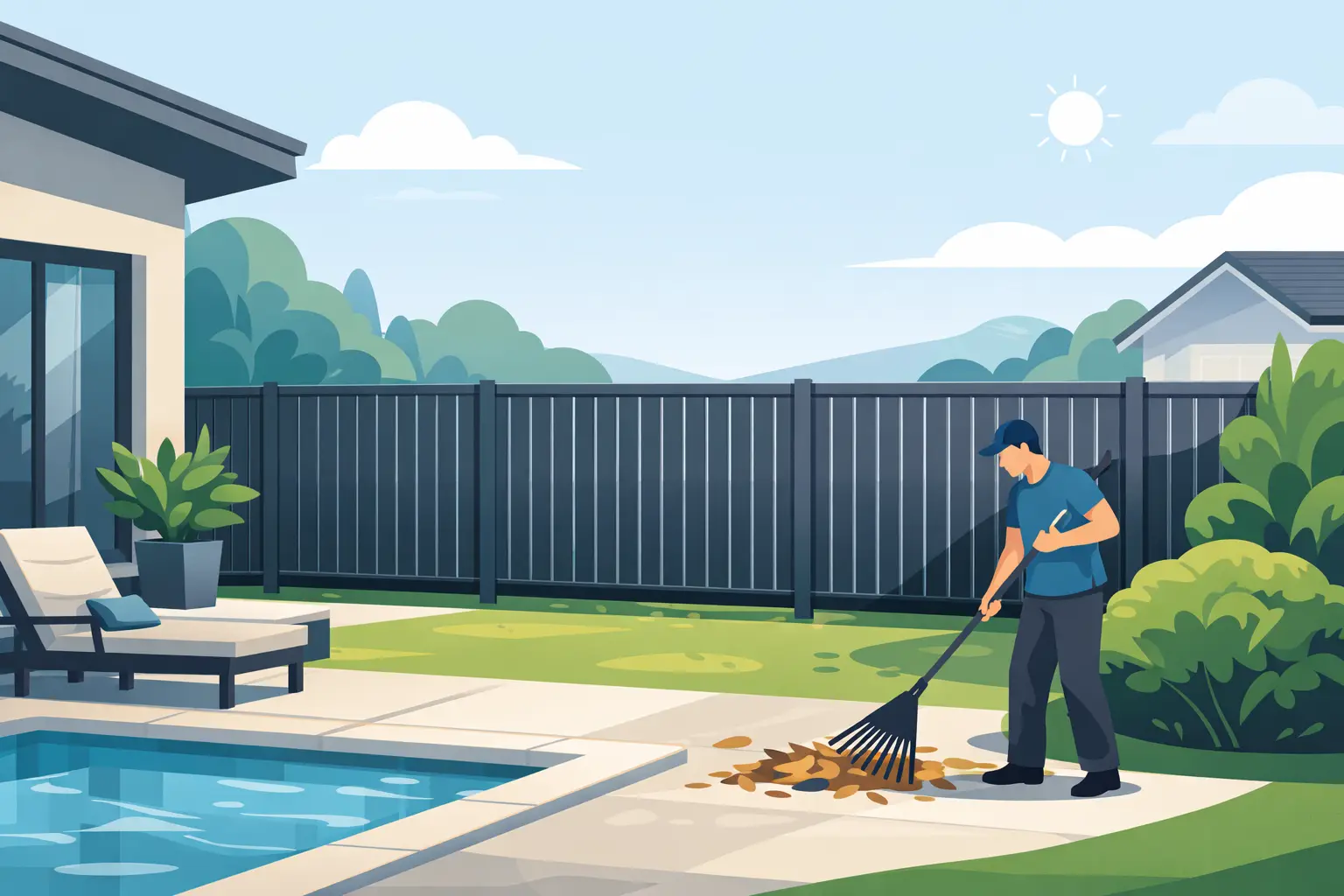
It is also worth clearing leaves, soil and garden debris from the base of the fence. This is less about protecting the aluminium from rot and more about maintaining a tidy appearance, allowing water to drain freely and spotting any damage to surrounding landscaping or fixings.
Fewer repairs mean more predictable ownership costs
Upkeep is not only about time spent with a brush or paint tin. It also includes the cost and inconvenience of replacing damaged boards, tightening loose components, treating stained surfaces and arranging repairs when a boundary starts to look tired.
Because aluminium is lightweight yet strong, it can provide a durable fence without placing unnecessary load on posts and foundations. Individual components are often easier to handle during installation than heavier alternatives, while the finished system gives a crisp, secure boundary.
A well-designed aluminium system can also make future repairs more straightforward. If an accidental impact damages a section, it may be possible to replace the affected component rather than rebuild a whole run. The exact approach depends on the fencing design, fixing method and availability of matching parts, which is why choosing a specialist supplier matters.
For developers and commercial buyers, this predictability can be valuable. A clean, consistent perimeter helps protect site presentation without creating a recurring maintenance schedule that has to be budgeted for year after year.
The finish matters as much as the metal
Not all aluminium fencing is made or finished to the same standard. The long-term benefit comes from pairing suitable aluminium profiles with a properly applied powder coating, quality fixings and a design appropriate for the property.
Powder coating is available in a wide range of colours, allowing fencing to complement gates, railings, window frames or architectural details. Popular choices such as black, anthracite grey and bespoke shades can retain their appearance well when cared for properly. A darker colour may show dust or pollen more readily than a mid-tone finish, but it does not necessarily need more maintenance – only a rinse when appearance calls for it.
Ask about the coating process, intended environment and warranty details before buying. This is particularly relevant for large projects, coastal sites and installations exposed to frequent traffic pollution. Transparent product information helps ensure the fence you select matches both the visual brief and the conditions it will face.
Where aluminium fencing needs a little attention
Low upkeep should not be confused with no responsibility. A quick visual check once or twice a year is a sensible habit. Look for accidental dents, loose fixings, movement in posts, damage caused by garden equipment and build-up around drainage points.
If the fencing is part of a wider entrance system, check that nearby gates open freely and that vegetation has not grown into the boundary. Aluminium fencing itself will not need painting, but climbing plants can trap moisture and debris against any surface, obscure inspection points and make cleaning more difficult.
Security requirements should also guide the design. Decorative low-level fencing for a front garden has different needs from a tall perimeter boundary around a commercial site. Height, spacing, gate integration and access control all need to be considered at the start. Choosing the right system avoids costly alterations later.
A practical choice for matching gates and boundaries
One of aluminium’s strongest advantages is consistency. Fencing, pedestrian gates, driveway gates and railings can be specified in complementary styles and colours, creating a coordinated frontage without committing to multiple maintenance routines.
For homeowners, this can improve kerb appeal while freeing up time for the garden rather than its boundaries. For architects, builders and site managers, it offers a clear route to a durable, contemporary perimeter solution that can be tailored to the project. Bespoke sizes, privacy levels and design details allow the fence to work with the property instead of feeling like an afterthought.
Aluminium Gates Direct can help customers assess ready-made and made-to-measure options, with guidance on fencing, gates and installation support across the UK. The most suitable choice will depend on the setting, required privacy, budget and the level of security needed.
A good fence should continue to do its job quietly after installation: defining the space, supporting the look of the property and asking for little more than an occasional wash. When that is the priority, aluminium is a material worth specifying from the outset.