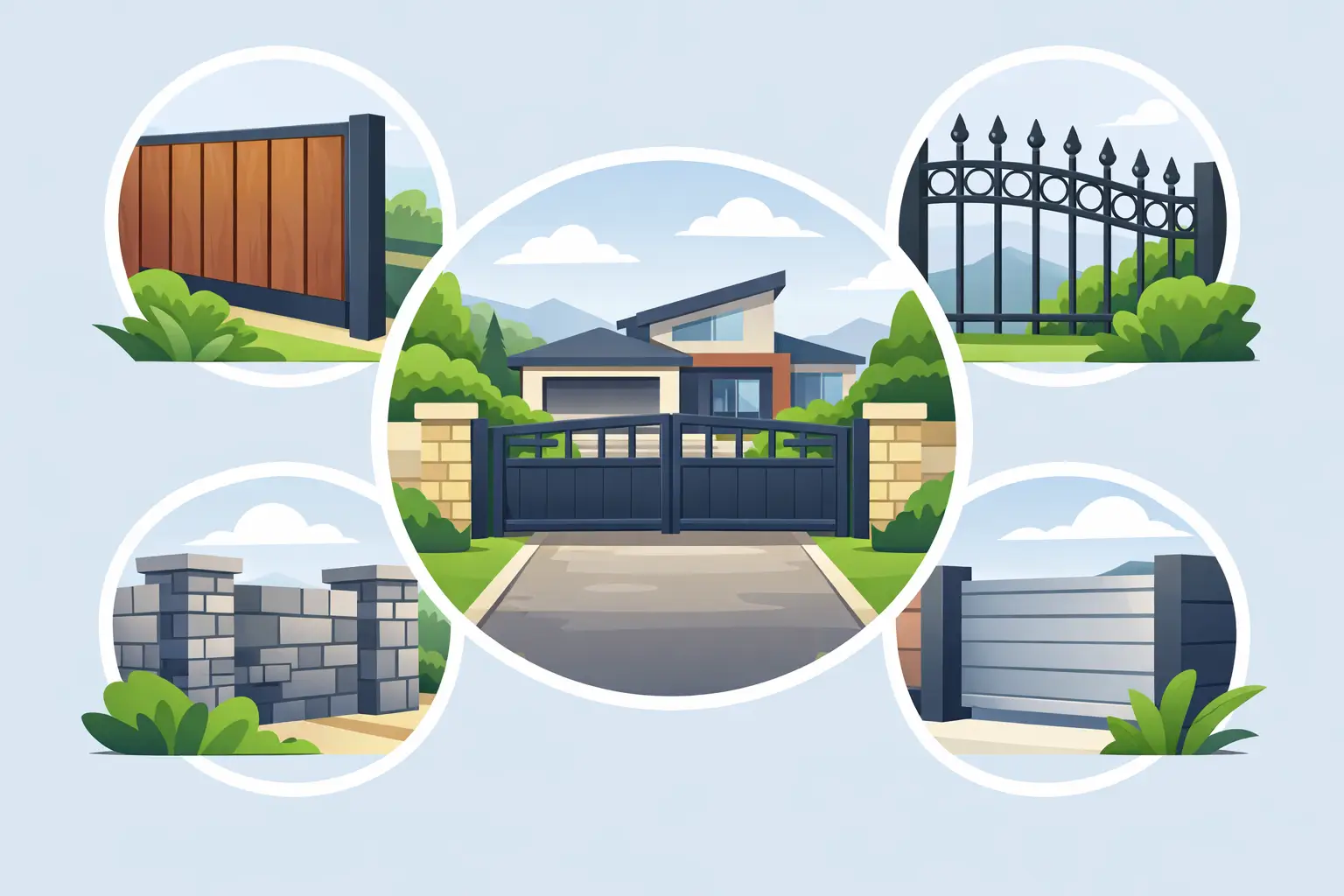
A driveway gate can look right on paper and still be the wrong choice once the weather, maintenance and day-to-day use start testing it. When customers ask us about the best driveway gate materials, they are usually trying to balance three things at once – appearance, security and how much effort the gate will need over the years.
That is where material choice matters most. The gate style, opening type and automation setup all matter too, but the material will shape how the gate performs in a British climate, how often it needs attention and how long it keeps its finish. For homeowners, developers and commercial buyers alike, the right answer is rarely just about what looks best on day one.
What makes the best driveway gate materials?
There is no single material that suits every property. A rural entrance, a modern new-build, a high-use commercial site and a period home will all have different priorities.
In practical terms, the best material is the one that fits the site conditions, desired look, budget and expected level of upkeep. Weight is a major factor, especially for wider openings and automated gates. So is resistance to rust, rot and movement over time. If a gate is being used several times a day, or if it is part of a security-led perimeter solution, strength and reliability become even more important.
For many buyers, maintenance is the deciding factor. A gate may be a long-term investment, but not everyone wants the long-term job of sanding, painting or treating it every year.
Aluminium driveway gates
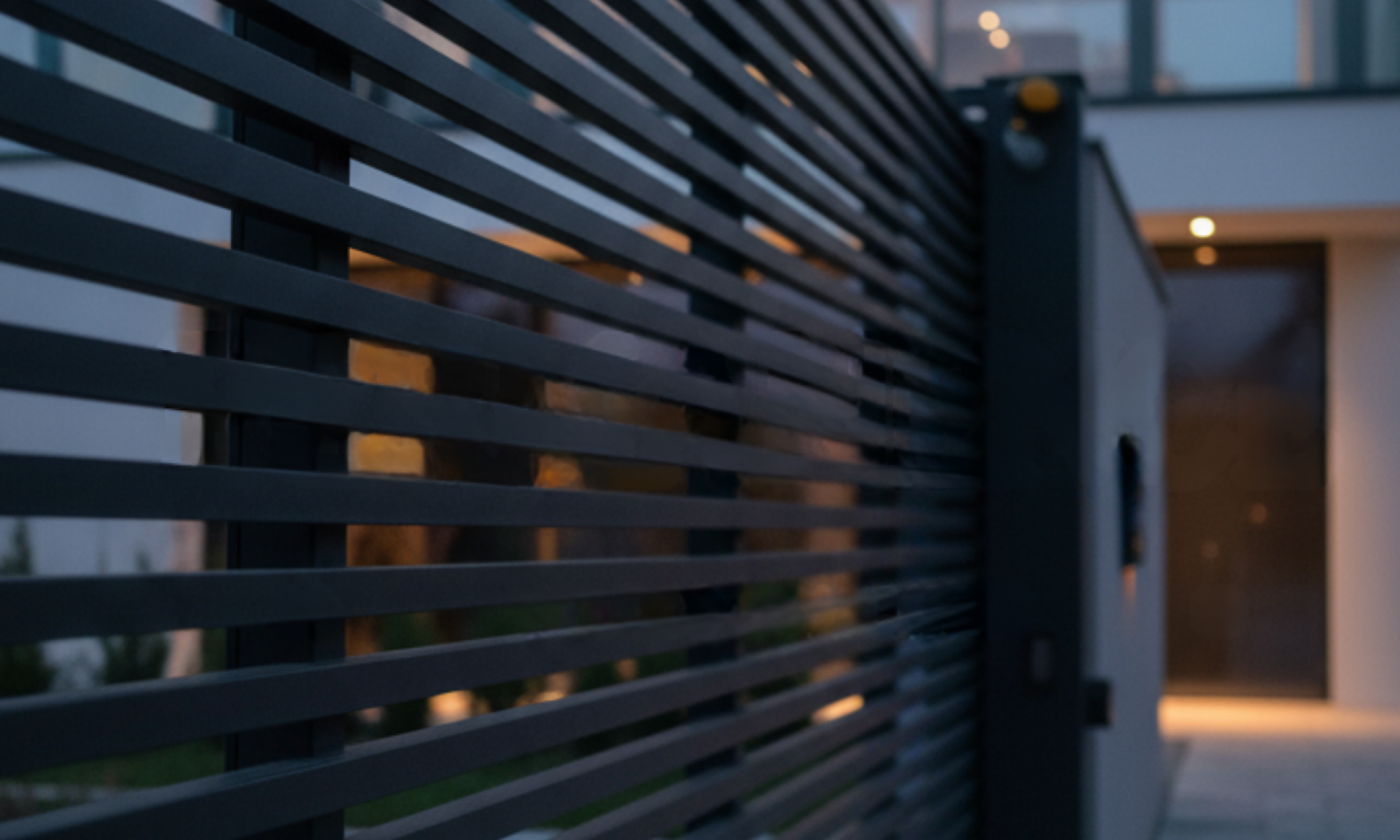
Aluminium has become one of the strongest options on the market, particularly for customers who want a gate that is durable, smart-looking and easy to live with. It offers a combination that is difficult for other materials to match – it is lightweight, strong, resistant to corrosion and generally very low maintenance.
That lower weight has real practical value. It reduces strain on hinges, posts and automation equipment, which is especially helpful on larger driveway openings or frequently used gates. It can also make installation more straightforward compared with heavier alternatives.
From an appearance point of view, aluminium suits both contemporary and traditional properties. It is available in a wide range of styles, from simple modern designs to more ornate layouts, and powder-coated finishes provide good colour consistency and weather resistance. For buyers who want a timber-look finish without timber upkeep, aluminium can also offer that visual effect.
The main trade-off is that not all aluminium gates are equal. Build quality, frame construction and finish all matter. A well-made aluminium gate should feel solid and properly engineered, not flimsy. That is why specification and supplier support are important, especially for bespoke sizes, automation and commercial use.
For many UK properties, aluminium is one of the best driveway gate materials because it addresses the issues that cause problems over time – rust, weight and ongoing maintenance.
Timber driveway gates
Timber remains a popular choice because it has natural warmth and character that many properties suit beautifully. On cottages, period homes and rural entrances, a timber gate can feel entirely at home in a way some metal designs do not.
There is also plenty of flexibility in design. Timber can be made in traditional five-bar styles, boarded gates, framed ledged designs and more decorative formats. It can be painted or stained to match the surrounding property, fencing or joinery.
The challenge with timber is upkeep. In the British climate, exposure to rain, damp conditions and temperature changes will eventually take a toll. Even high-quality hardwood gates need regular treatment to help prevent swelling, warping, splitting and surface deterioration. Softwood options can come in at a lower upfront cost, but they usually require even more attention and may have a shorter lifespan.
Weight can be another issue. Large timber gates can be very heavy, which affects hardware, posts and automation. If the gate is wide or used often, that added load should be considered early in the specification process.
Timber is still a good option for the right property and for buyers who are happy to maintain it. If the aim is natural appearance above all else, it remains a strong contender. If the aim is minimal upkeep, it is usually not the first recommendation.
Steel driveway gates
Steel is often chosen for strength. It is a tough material and can work well for security-focused applications, commercial entrances and properties where a substantial gate is required.
It also allows for a broad range of styles. Depending on the design, steel gates can look sleek and modern or more traditional and decorative. When properly fabricated and finished, they can deliver a very solid, premium feel.
However, steel comes with some clear considerations. The biggest is corrosion. If protective coatings are damaged or wear down over time, steel can rust, particularly in exposed environments. That means maintenance and finish quality matter a great deal. Galvanising and powder coating can improve durability, but buyers should still expect more vigilance than with aluminium.
Weight is the other factor. Steel gates are heavy, which can be useful from a security perspective but more demanding for installation and automation. Heavier gates place more pressure on moving parts and support structures, so accurate specification is essential.
Steel can be the right answer where strength is the top priority, but it is not always the most practical choice for domestic buyers looking for a lower-maintenance solution.
Wrought iron driveway gates
Wrought iron is often discussed as a premium, decorative option, particularly for period properties and formal entrances. It has a distinctive appearance and can create real impact, especially in ornate designs with scrollwork and traditional detailing.
Strictly speaking, many gates described as wrought iron today are made from mild steel in a wrought style. From a buying perspective, the key point is not the label but the performance. These gates can be visually impressive and strong, but they are generally heavy and will require ongoing care to keep corrosion at bay.
That maintenance point should not be overlooked. If the finish chips or deteriorates, rust can develop and spread. For some owners, that is acceptable because the visual style is worth it. For others, particularly those who want a fit-and-forget solution, it becomes a drawback.
Wrought-style gates are best suited to projects where traditional design is leading the decision and the owner is prepared for regular upkeep.
Which driveway gate material is best for automation?
If automation is part of the plan, material choice becomes even more important. Gate motors, hinges, tracking systems and safety components all perform best when paired with a gate that is properly sized and not carrying unnecessary weight.
In many cases, aluminium is the most automation-friendly option because it combines strength with low weight. That can support smoother operation and reduce stress on the system over time. This is particularly valuable for wider driveway gates, sliding systems and entrances with frequent daily use.
Timber and steel can also be automated successfully, but they often require more careful structural planning because of their weight. That does not rule them out, but it can increase demands on the hardware and installation.
For commercial sites, flat developments or higher-spec residential projects, automation and access control should be considered from the outset rather than added later. The material, gate design and operating system need to work together.
Best driveway gate materials for UK weather
The UK climate is rarely gentle on external joinery or metalwork. Rain, damp air, frost and seasonal movement all test a gate over time.
That is one reason aluminium stands out. It does not rust in the way steel does, and it does not absorb moisture like timber. For coastal areas, exposed plots or customers who simply want fewer maintenance concerns, that makes a noticeable difference.
Timber can still perform well if it is high quality and properly maintained, but it needs consistent care. Steel and wrought-style gates can last well too, provided the protective finish remains in good condition and any damage is dealt with quickly.
In other words, British weather does not automatically rule out any one material, but it does make low-maintenance, corrosion-resistant options more attractive.
How to choose the right material for your property
The best approach is to start with the practical brief, not just the visual one. Think about how often the gate will be used, whether automation is needed, how much maintenance you are realistically willing to do and what style suits the property.
If you want a natural, traditional look and do not mind ongoing treatment, timber may be the right fit. If security and solidity come first and weight is not a concern, steel may suit. If you are aiming for an elegant traditional entrance and are comfortable with regular upkeep, wrought-style designs can work well.
But if you want a gate that offers long-term value, strong visual appeal and very little maintenance, aluminium will often come out ahead. That is why many homeowners, developers and trade buyers now see it as the practical modern answer for driveway gates.
At Aluminium Gates Direct, we see this decision every day across residential and commercial projects of all sizes. The right material is the one that keeps working for your property long after installation – not just the one that makes the strongest first impression.
A good driveway gate should make life easier, not give you another job to manage. Choose the material with the next ten years in mind, and the decision usually becomes much clearer.