If you are replacing a tired timber boundary or specifying fencing for a new development, the phrase best low maintenance perimeter fencing usually means one thing – you want a boundary that looks smart, lasts well and does not keep coming back as a job on your list. For most UK properties, that balance comes down to choosing the right material, not just the right style.
A fence can do several jobs at once. It sets the tone for the property, improves privacy, defines the edge of a site and, in many cases, supports wider access control with gates and entry systems. The challenge is that many traditional options look cost-effective at the start but need regular painting, treatment or repair once they are exposed to British weather.
What makes the best low maintenance perimeter fencing?
Low maintenance is not simply about avoiding annual painting. It also means the fence resists rot, rust, warping, fading and everyday wear without constant attention. A genuinely practical perimeter solution should be easy to clean, structurally reliable and suitable for the level of privacy or security the property needs.
For homeowners, that often means a clean-looking fence that still enhances kerb appeal after years outside. For developers and commercial buyers, it may mean a system that can be specified with confidence across multiple plots or larger sites, with predictable maintenance costs over time. In both cases, the cheapest option on day one is not always the most economical over ten or fifteen years.
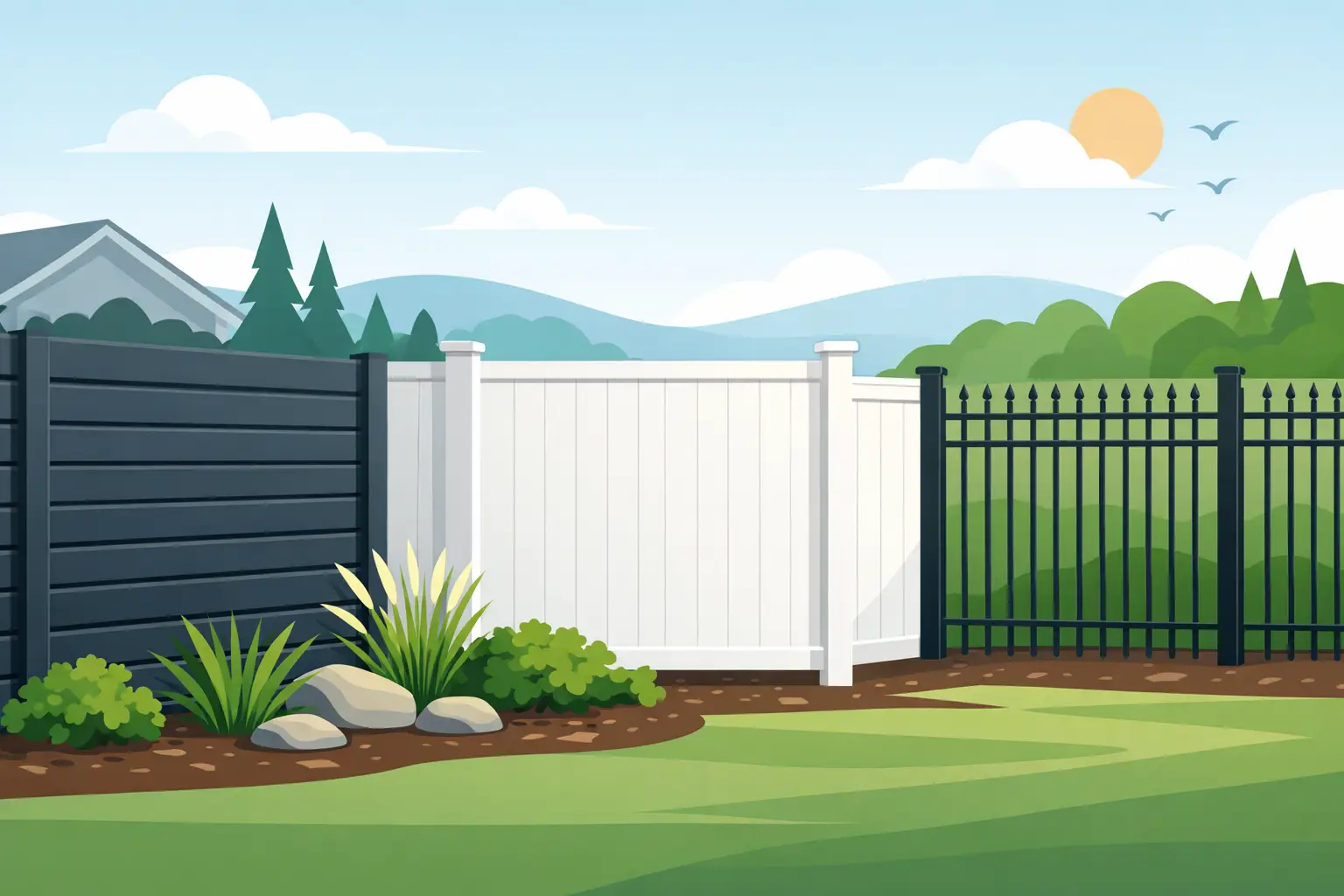
Best low maintenance perimeter fencing materials compared
There is no single right answer for every site. The best choice depends on exposure, budget, appearance, privacy requirements and whether the fencing needs to work alongside matching gates, railings or automation.
Aluminium fencing
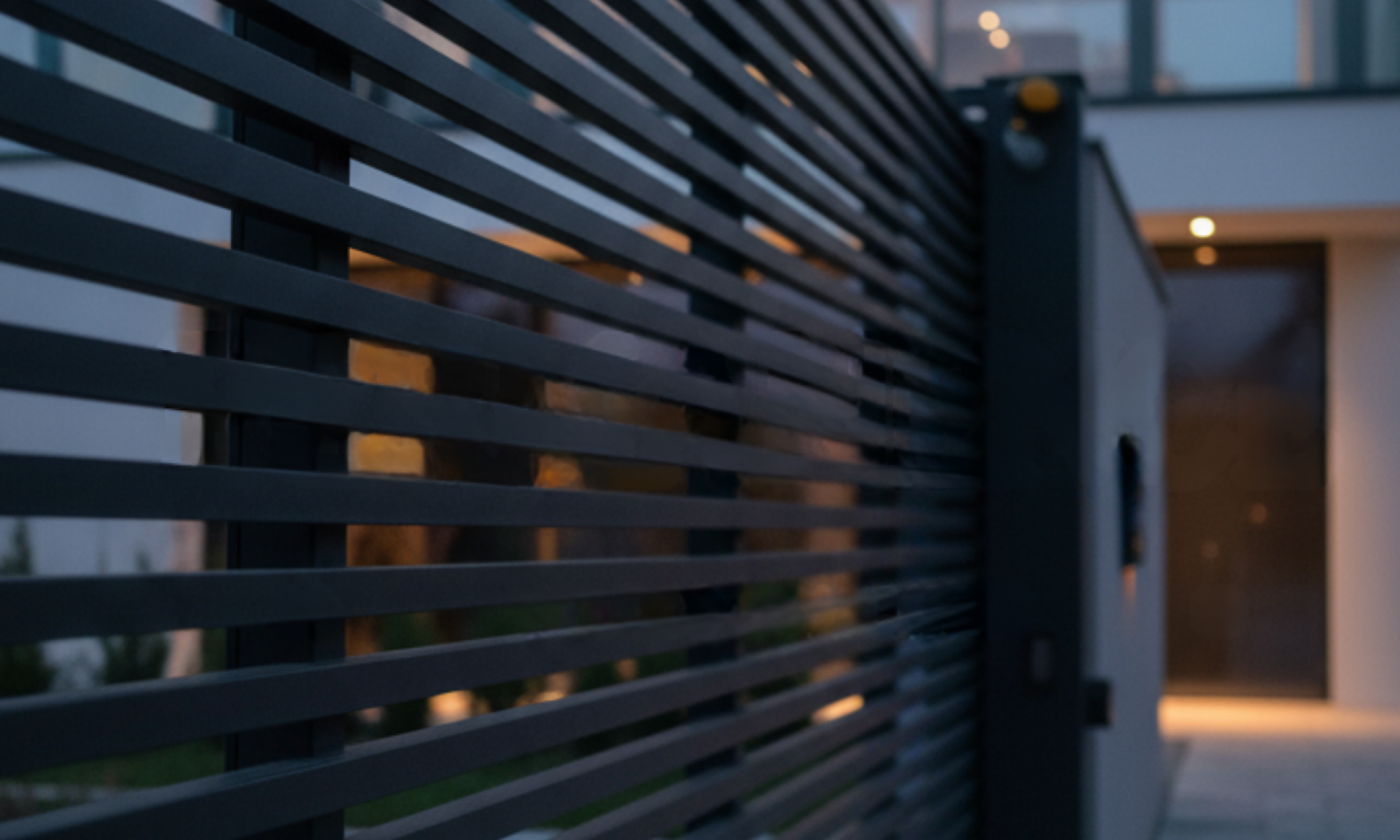
Aluminium is one of the strongest options if you want low upkeep without compromising on appearance. It does not rot like timber, and unlike traditional steel it does not suffer from the same rust concerns. A quality powder-coated aluminium fence is designed to hold its finish well, cope with the weather and stay looking sharp with little more than occasional cleaning.
This is why aluminium works so well for both residential and commercial perimeter projects. It offers a modern, premium look, but it is also practical. Being lightweight helps with handling and installation, while its strength makes it suitable for a wide range of boundary and gate applications.
Another advantage is consistency. If you want fencing to match driveway gates, pedestrian gates or railings, aluminium gives you a more joined-up finish across the whole perimeter. That matters for homeowners investing in kerb appeal and for developers aiming for a polished result across a scheme.
The trade-off is upfront cost. Aluminium is rarely the lowest-priced option at purchase stage, but it often proves better value over time because it avoids the repeat cost of treatment, repainting and early replacement.
Composite fencing
Composite fencing is another popular low maintenance choice, especially where privacy is a priority. It is usually made from a blend of recycled wood fibres and plastic, designed to give some of the visual warmth of timber without the same level of upkeep.
For many gardens and residential boundaries, composite can be a sensible middle ground. It will not need staining or painting in the way timber does, and it tends to resist rot and insect damage well. It also suits contemporary schemes where clean lines and solid infill panels are preferred.
That said, not all composite products are equal. Lower-quality boards can be more prone to movement, fading or surface wear over time. It is also worth considering the overall design, because some composite systems look heavier or less refined than aluminium. If the fencing needs to pair neatly with entrance gates or a premium frontage, that visual difference can matter.
Steel fencing
Steel remains a strong option for certain perimeter applications, particularly where security takes priority over privacy. Palisade, mesh and rail-style systems are common on commercial and public-facing sites because they are durable and offer a clear physical barrier.
Galvanised and powder-coated steel can be relatively low maintenance, but it is not maintenance-free in the same way high-quality aluminium aims to be. Over time, chips, scratches or coating failures can create points where corrosion begins. In harsher coastal or exposed environments, that can become more relevant.
For industrial and higher-security settings, steel still has a clear place. For many homes and mixed-use developments, though, it can feel more functional than attractive unless carefully specified.
uPVC fencing
uPVC is often chosen for its low purchase price and minimal upkeep. It does not need painting, and it can work well in some garden settings where a simple, lightweight boundary is enough.
The limitation is that it tends to offer less strength and a less premium finish than aluminium or well-specified steel. It can also become brittle or discoloured with age, particularly where products are lower grade. For customers investing in a front boundary, entrance feature or long-term perimeter solution, it is not usually the strongest all-round choice.
Timber fencing
Timber is still widely used across the UK, mainly because it is familiar and often cheaper at the outset. It can look attractive when new, and for some traditional properties it suits the setting well.
The issue is maintenance. Timber fencing typically needs ongoing treatment to protect against moisture, rot and weathering. Boards can twist, posts can weaken and panels can deteriorate faster than expected in exposed conditions. If your priority is to reduce upkeep, timber is rarely the best answer, even if the starting price is appealing.
Choosing the right fencing for your property
The best low maintenance perimeter fencing for a suburban driveway is not always the best choice for a retail unit, flat scheme or commercial compound. That is why material selection should start with the job the fence actually needs to do.
If appearance leads the decision, aluminium is often the strongest fit. It delivers a cleaner, more architectural finish than many alternatives and works well across both modern and traditional properties, depending on the design. If privacy is the key requirement, composite or solid-panel aluminium systems may be more suitable than open rail styles.
If security is the first concern, the detail matters more than the headline material. Height, spacing, climbing resistance, gate integration and access control all play a part. In some commercial settings, a steel security system may still be appropriate. In others, aluminium fencing combined with well-matched gates, automation and intercom access can offer a neater and more user-friendly perimeter solution.
Budget also needs to be looked at properly. Many buyers compare fencing only on supply cost, but installation, lifespan and maintenance should be part of the same conversation. A lower-cost fence that needs regular repair or replacement may cost more over its life than a better product specified from the start.
Why aluminium stands out in the UK market
For many customers, aluminium comes closest to what they mean when they ask for the best low maintenance perimeter fencing. It suits the British climate, it offers a strong balance of durability and appearance, and it helps reduce the long-term hassle that often comes with more traditional materials.
This is particularly relevant where the fence is part of a wider entrance project. Matching fencing and gates create a more complete finish, and aluminium makes that easier to achieve across driveway gates, pedestrian access and boundary lines. It also supports bespoke design options, so the perimeter can be tailored to the style of the property rather than treated as an afterthought.
From a practical point of view, cleaning is straightforward and ongoing maintenance demands are low. That is valuable for private homeowners who do not want annual repainting jobs, but it is equally valuable for developers, landlords and site managers who need products that continue to present well with limited attention.
At Aluminium Gates Direct, this is exactly why aluminium remains a preferred choice across so many residential and commercial projects. It gives customers a durable, attractive perimeter solution that is easier to live with over the long term.
A smart specification saves money later
It is easy to focus on style first, especially when fencing forms part of a visible frontage. But long-term performance should carry just as much weight. Ask how the finish is applied, what level of weather resistance the material offers, how the fencing works with gates and whether the system can be tailored to the site.
A good perimeter should not create extra work a year after installation. It should still look right, function properly and suit the property as it matures. That is why careful specification matters more than simply choosing the cheapest panel in the merchant yard.
If you want a boundary that is built to last, low maintenance should be treated as a performance standard, not a marketing phrase. The right fence will save time, reduce future costs and help the whole property look better for longer.