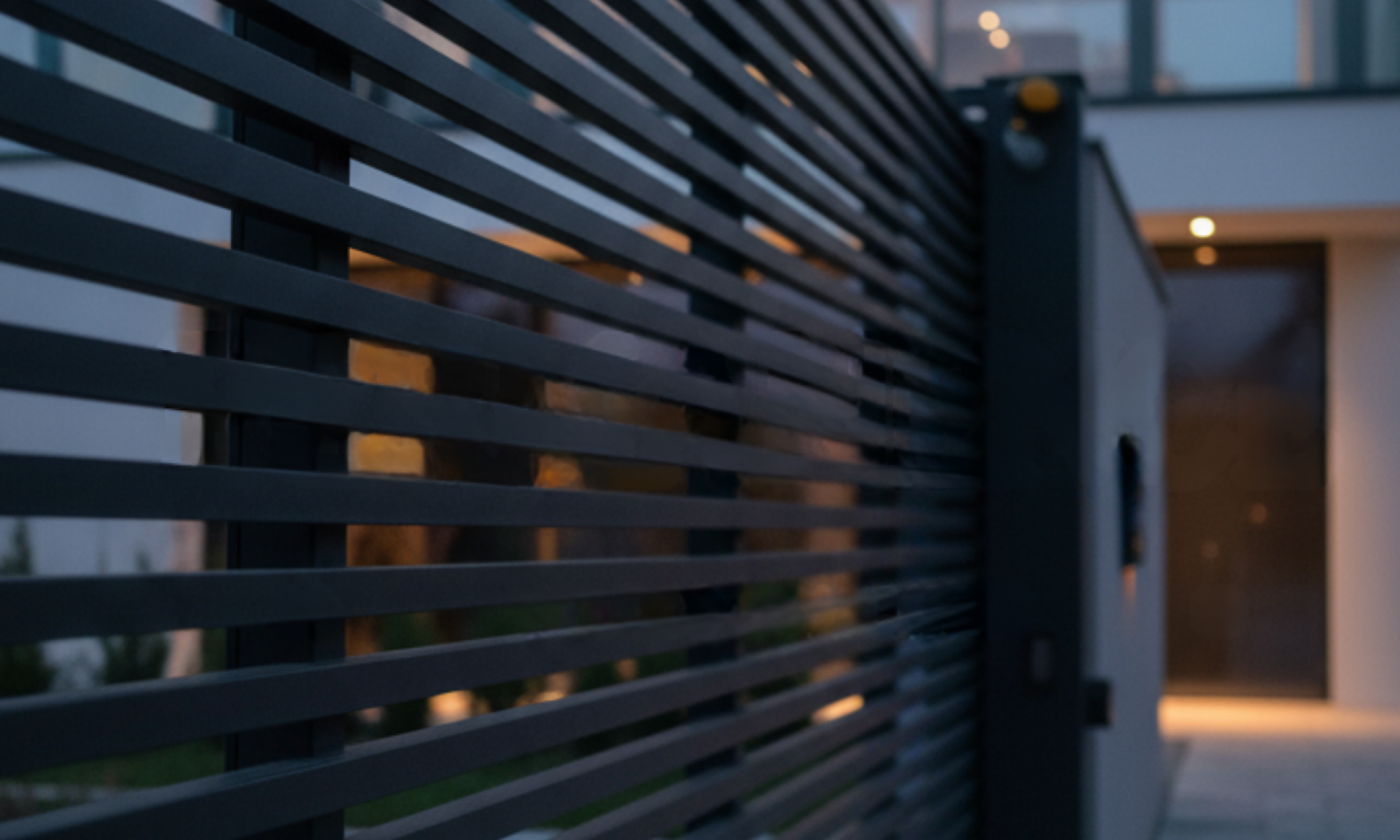


A gate at a commercial entrance does two jobs at once. It has to control access properly, but it also says something about the site behind it. For a warehouse, school, office block, industrial yard or flat development, the right commercial gates can improve security, traffic flow and first impressions without creating unnecessary maintenance problems later.
That balance matters more than many buyers expect. A gate that looks right on paper can become inconvenient in daily use if vehicle access is frequent, space is limited or automation has not been planned properly. The most effective solution usually comes from matching the gate type, material and access control system to the way the site actually operates.
What commercial gates need to do
Commercial gates are not one-size-fits-all products. A private business park has different priorities from a busy logistics yard, and a block management company will usually need a different specification again. Some sites need high levels of perimeter control. Others are more focused on managing visitor access, protecting parking areas or improving the appearance of the frontage.
In practice, most buyers are looking for a combination of security, reliability and ease of use. The gate should be strong enough for the setting, suitable for the traffic levels involved and straightforward to operate every day. It should also fit the visual standard of the property. For customer-facing premises in particular, appearance is not a secondary issue. A smart, well-finished gate can reinforce the professionalism of the business.
This is where material choice becomes important. Traditional steel has long been used for commercial applications, but it brings weight and ongoing maintenance into the conversation. Timber can work in certain settings, though it generally demands more upkeep and may not be the right fit where durability and long-term consistency are priorities. Aluminium offers a practical alternative because it is lightweight, strong and resistant to rust, which makes it particularly attractive for sites that want dependable performance without constant repainting or treatment.
Types of commercial gates
The right style depends on the entrance layout, available runback space and the type of traffic using the site.
Swing commercial gates
Swing gates remain a popular option for many commercial properties. They can suit offices, residential developments, schools and smaller private car parks where there is enough space for the gates to open safely. They offer a traditional, balanced appearance and can work well in both modern and more decorative schemes.
The main limitation is space. If the site entrance slopes sharply, opens directly onto a busy road or has limited room behind the gate line, swing gates may be less practical. They also need careful planning where frequent use is expected, because opening arcs and vehicle waiting areas must be properly considered.
Sliding commercial gates
Sliding gates are often the stronger practical choice for busier or more restricted sites. Because the gate moves sideways rather than opening in or out, it can suit industrial yards, business premises and developments where saving space is a priority. Sliding systems can also offer a good level of security and controlled access, particularly for wider openings.
That said, they need adequate room across the fence line for the gate to travel. Ground conditions, track design and maintenance access all need attention during specification. If the entrance layout does not allow for this, a sliding system may not be viable.
Pedestrian access gates
On many sites, vehicle control is only part of the job. Separate pedestrian gates help organise movement more safely and reduce the need for people to use the main vehicle entrance. This can be especially useful for schools, offices, blocks of flats and mixed-use developments.
When pedestrian gates are designed to complement the main entrance, the whole perimeter feels more coherent. They can also be integrated with access control, intercoms and self-closing hardware depending on the level of control required.
Why aluminium makes sense for many sites
For commercial buyers, lifetime value usually matters more than the lowest upfront figure. Aluminium stands out here because it combines strength with low maintenance. It does not rust in the way steel can, and it does not ask for the routine treatment that timber often requires. Over time, that can reduce maintenance costs and minimise disruption.
The lighter weight of aluminium also has practical benefits. It can place less strain on hinges, motors and moving parts, which is useful for gates that open and close regularly. This does not remove the need for correct specification, but it can support smoother operation and long-term reliability when paired with the right hardware.
Appearance is another factor. Commercial sites increasingly want perimeter solutions that look clean and professional rather than purely functional. Aluminium gates are available in a wide range of styles, from simple contemporary designs to more ornate or privacy-focused options. That flexibility helps buyers meet planning requirements, branding preferences or architectural schemes without compromising on practicality.
Automation and access control
For many commercial gates, automation is not an extra. It is part of making the entrance work properly. If staff vehicles, deliveries, residents or approved visitors need regular access, a manual gate can quickly become inconvenient and inconsistent.
Automated systems can be configured around the site’s day-to-day needs. That may include keypads, fobs, GSM entry, safety devices or intercom integration. On higher-traffic sites, quick and reliable opening matters because delays at the entrance can disrupt operations. On residential or mixed-use sites, the focus may be more on convenience, controlled entry and a tidy user experience.
This is also an area where it pays to think ahead. If a site is likely to need expanded access control later, it makes sense to discuss that at the start rather than treating automation as an afterthought. Gate design, motor choice and cabling routes are all easier to plan early. Aluminium Gates Direct supports projects with both gate supply and automation options, which helps customers keep the product and access side of the specification aligned.
Questions worth asking before you buy
The best commercial gate decisions are usually shaped by practical site details rather than broad assumptions. Width of opening is only the starting point. Buyers also need to think about vehicle types, frequency of use, ground levels, wind exposure, required privacy and who will be using the gate each day.
A distribution yard that sees constant van and lorry movement needs a different setup from a managed car park with scheduled access. A school may place greater emphasis on safe pedestrian separation and controlled entry times. A prestige office development may need the gate to reflect the quality of the building as much as the perimeter security.
Budget matters too, but the cheapest route is not always the most economical. A lower-cost gate that needs frequent upkeep or is not suited to the site can become expensive in the long run. Bespoke options may cost more initially, yet they often solve layout, access or appearance issues more effectively than trying to force a standard product into an awkward opening.
Bespoke or readymade?
There is no single right answer here. Readymade gates can be a sensible choice when the opening is straightforward, the design brief is clear and timelines are tight. They can offer good value and a quicker route to installation.
Bespoke gates are often the better fit where the site has unusual dimensions, specific aesthetic requirements or integrated access needs. They allow more control over layout, infill style, height and finish, which can be important for architects, developers and commercial clients working to a specification. If the gate forms part of a larger perimeter package including fencing, railings and pedestrian access, custom design usually brings a more consistent end result.
Installation and long-term support
Even a well-made gate can underperform if installation is poor. Commercial gates need accurate fitting, proper safety consideration and the right groundwork. Automation adds another layer, because motors, safety edges, control systems and entry devices all need to work together reliably.
This is why supplier support matters. Buyers often benefit from dealing with a specialist that can help from the selection stage through to installation planning. Nationwide coverage and access to experienced installation partners can make a real difference, especially for developers and site managers who need confidence in both product quality and project coordination.
A good supplier should also be clear about pricing, lead times and what is included. That transparency makes it easier to compare options properly and avoid unwanted surprises once the project is under way.
Getting the right result for your site
The best commercial gates are not simply the strongest or the most expensive. They are the ones that suit the entrance, support daily operations and continue to look the part with minimal fuss. For some sites that means a smart automated swing gate. For others, it means a space-saving sliding system with integrated access control and separate pedestrian entry.
If you are planning a new installation or replacing an outdated gate, the most useful starting point is a clear conversation about how the site works now and what it will need in a few years’ time. Get that part right, and the gate becomes more than a barrier – it becomes a dependable part of how the property runs every day.