
A gate that looks right on paper can become awkward very quickly once automation is added. Posts may be in the wrong place, the ground may not allow a smooth swing, or the access system may not suit how the property is actually used. That is why knowing how to plan gate automation early matters. It helps you avoid costly changes later and makes sure the finished system is secure, practical and built around the site.
How to plan gate automation from the start
The best time to think about automation is before the gate is ordered, not after it has been installed. Automation affects the gate style, the size of the opening, the hinge positions, the space available for motors and the way vehicles and pedestrians enter the site.
For a homeowner, that may mean deciding whether you want the gate to open into the drive, slide to one side or work with an intercom for deliveries. For a developer or commercial buyer, it often means balancing security, traffic flow, compliance and ease of use. In both cases, the same principle applies – the gate, automation and access control should be planned as one system.
If you treat automation as an add-on, you can still make it work, but choices become narrower. Planning ahead gives you more control over design, performance and budget.
Start with the site, not the motor
Many buyers begin by asking which automation kit they need. In reality, the site tells you far more than the motor catalogue does. The width of the opening, the slope of the driveway, the available run-back space and the position of boundary walls all influence what is possible.
A swing gate is often a good choice for residential properties where there is enough room for the leaves to open safely. It can be a clean, elegant option and suits many driveway layouts. However, if the driveway rises steeply behind the gate, outward or inward swing may be restricted. In that case, a sliding gate may be the better answer, provided there is enough lateral space for the gate to travel.
Ground conditions matter too. Uneven surfaces, poor drainage or limited foundations can affect reliability over time. If the entrance is exposed to heavy wind, that should also be considered, especially with taller solid-panel designs. Aluminium helps here because it is lightweight compared with many alternative materials, reducing strain on hinges, motors and support structures.
Choose the right gate style for automation
When planning gate automation, the gate design itself is not just a visual choice. Weight, infill style, width and method of operation all affect how the automation performs.
Swing gates are common for driveways and private entrances. They can work very well where there is clear opening space and properly positioned posts. They are often simpler in appearance and can suit both traditional and contemporary properties. The trade-off is that they need room to move and can be less suitable where the ground levels are awkward.
Sliding gates are often preferred for wider openings, busier sites or locations where space behind the gate is limited. They can offer strong perimeter control and are popular on commercial sites. That said, they usually require more civil preparation, including a suitable track or cantilever arrangement and enough side room for the gate to park.
The gate material also plays a part. Aluminium is well suited to automation because it combines strength with lower weight and minimal maintenance. That can help improve long-term performance and reduce wear on moving parts. It also makes bespoke design more practical without automatically creating a heavier gate that needs a more demanding motor setup.
Think carefully about how the gate will be used
A gate at a family home is used differently from a gate at a development entrance or trade yard. That sounds obvious, but it is often missed. Good planning means thinking beyond the opening size and considering the day-to-day pattern of use.
Ask how many times the gate is likely to open each day, who needs access and whether entry needs to be controlled at all times. A private driveway may only need remote fobs, keypad access and occasional intercom use. A commercial site may need timed access, vehicle detection, staff credentials, delivery management and integration with wider security systems.
You should also consider who will use the entrance on foot. If pedestrians regularly pass through, a separate access point is often safer and more convenient than relying on the main vehicle gate. This is particularly important on busy sites, shared entrances and family homes where children may be present.
Plan the access control at the same time
Automation is only one part of the system. The other part is deciding how the gate will be opened, monitored and managed. This is where access control and intercom choices come in.
Some properties only need a straightforward setup with remote controls and a keypad. Others benefit from audio or video intercom systems, smartphone-based access or multi-user entry management. The right option depends on the property type, the number of users and the level of oversight required.
This is also where future-proofing helps. If you are carrying out a wider entrance upgrade, it can make sense to allow for intercoms, additional control points or cabling routes even if you do not install every feature on day one. It is usually easier and more cost-effective to make provision early than to reopen the entrance later.
Safety is not optional
Any automated gate must be planned with safety in mind. This is not only about good practice. It is a core part of getting the installation right.
A proper specification should consider safety devices such as photocells, obstacle detection and emergency release arrangements. The force applied by the gate, the stopping behaviour and the presence of pinch points all need attention. On commercial sites and shared-use settings, this becomes even more important because usage is higher and the range of users is wider.
This is another reason to involve specialists early. Safe automation depends on the relationship between the gate, the motor, the control setup and the site conditions. It is not simply a case of attaching an operator to a gate and hoping for the best.
Allow for power, cabling and groundwork
One of the most common planning mistakes is underestimating what sits behind the finished gate. Automation needs more than a pair of motors. It may require mains power, ducting, safe cable routes, control housings, intercom posts and suitable foundations.
If the property is being built or renovated, this stage should be coordinated with the wider works. That gives you the opportunity to position services correctly and keep the entrance looking tidy. If the gate is being added to an existing property, it is still worth mapping out where power will come from and how cabling will be protected.
Solar can be an option in some situations, but it is not always the best choice for every site in the UK. Usage levels, available sunlight and battery performance all need to be considered realistically.
Budget for the full system, not just the gate
When customers first price a project, they often focus on the gate itself. The final investment usually includes more than that: the gate, posts, automation equipment, safety devices, access control, groundwork, electrical preparation and installation.
That does not mean automation is poor value. It means the budget should reflect the complete system from the outset. A cheaper starting point can become expensive if parts of the specification have been missed and need correcting later.
There is also a balance to strike between upfront cost and long-term value. A well-made aluminium gate with a properly matched automation setup can offer low maintenance, strong kerb appeal and dependable operation for years. Cutting corners on specification may save money initially, but it often creates avoidable service issues down the line.
Work with specialists who can match product to project
Every entrance has its own constraints. Some customers need a readymade solution with a straightforward automation package. Others need a bespoke gate, intercom integration and support across supply and installation. The right advice should reflect that, rather than pushing a one-size-fits-all answer.
This is where working with a specialist supplier makes a real difference. A team that understands gate design, automation requirements and installation practicalities can spot issues early and guide you towards the right combination of gate type, control system and site preparation. For customers across the UK, Aluminium Gates Direct supports this process by helping match each project to the right product and installation route.
A simple checklist before you commit
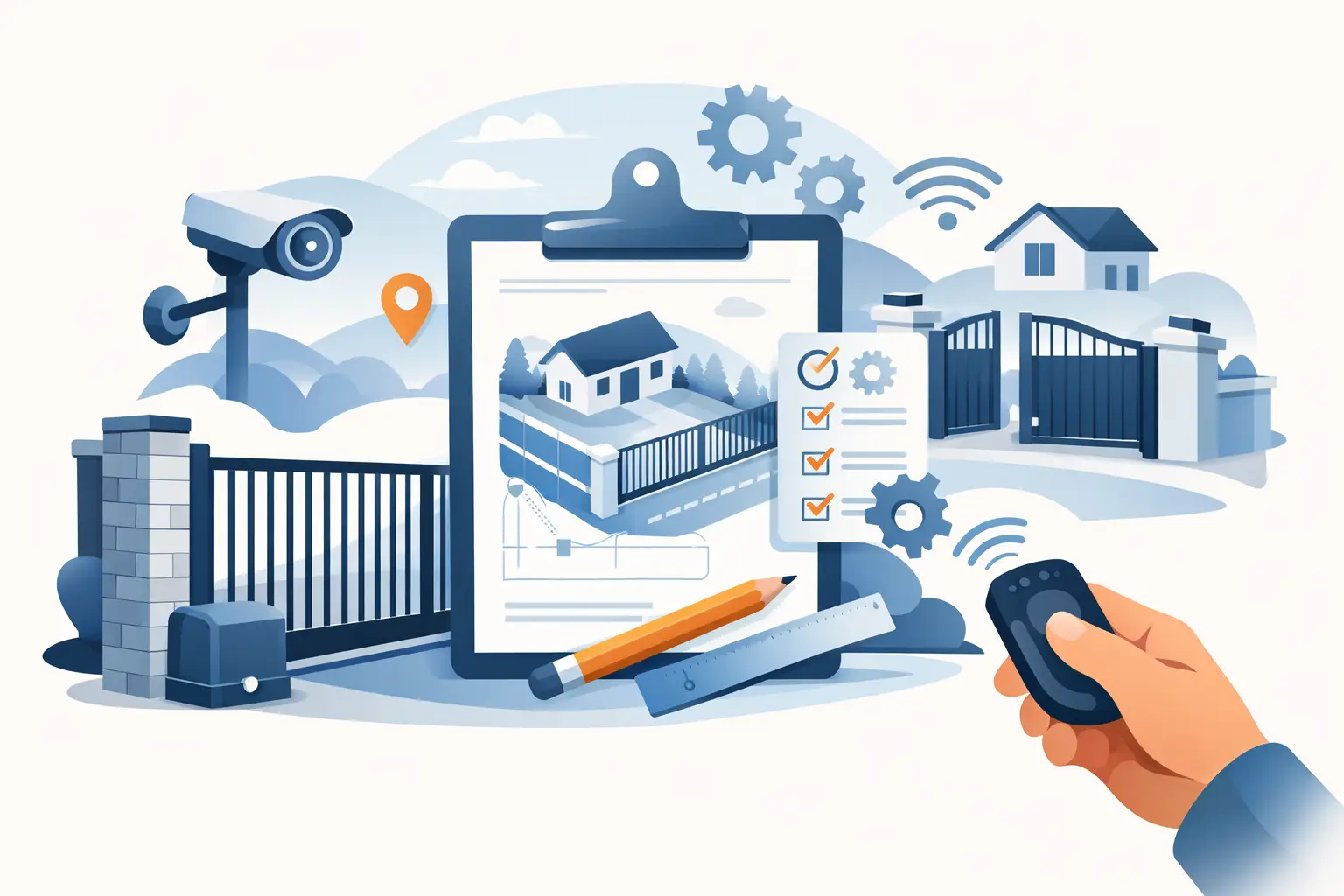
Before placing an order, make sure you can answer a few key questions clearly. What type of gate suits the site best? How much space is available for movement? How will vehicles and pedestrians access the property? Where will power and cabling run? What level of control, security and convenience do you actually need?
If any of those points are still vague, it is worth pausing. A little more planning at this stage usually saves time, money and frustration later.
The best automated gate systems feel easy to use because the hard thinking happened early. Get the planning right, and the gate will not just open and close – it will fit the property, the people using it and the demands of everyday life.