A gate that looks right but opens slowly, struggles in bad weather or does not suit the way you use your driveway soon becomes a daily frustration. A good driveway gate automation guide should do more than list motor types. It should help you choose a system that suits your property, traffic levels, budget and long-term expectations.
For some buyers, automation is mainly about convenience. For others, it is about security, access control or presenting a more finished entrance to a home or commercial site. In practice, it is usually a mix of all three. The right setup depends on how the gate will be used, who needs access and what the entrance can physically accommodate.
What a driveway gate automation guide should cover first
Before looking at motors or intercoms, start with the gate itself. Automation works best when the gate design, weight, size and opening method have been considered from the outset. Retrofitting automation to an existing gate is often possible, but it is not always the most cost-effective route if the gate is poorly aligned, too heavy or nearing the end of its serviceable life.
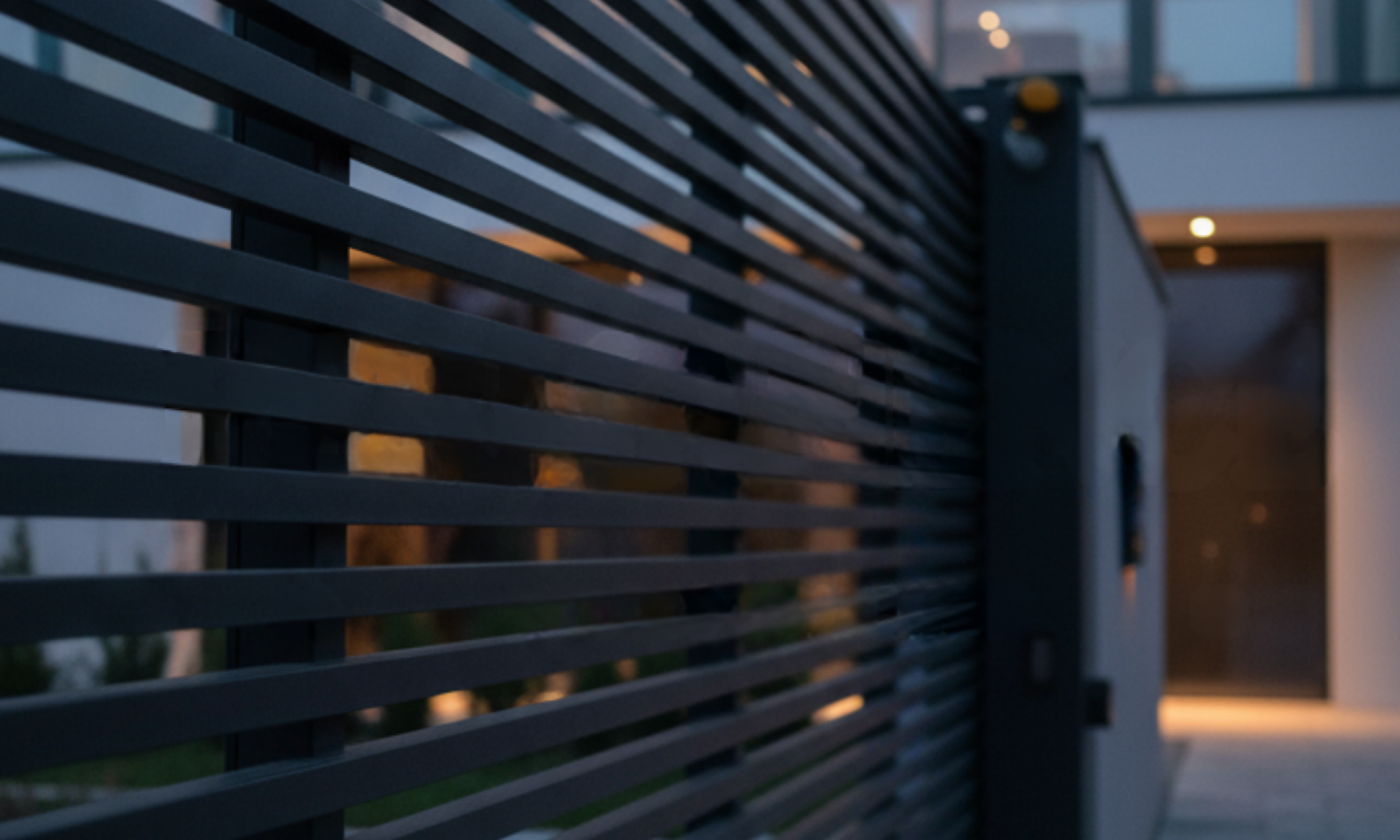
This is where material choice matters. Aluminium is a strong option for automated gates because it is lightweight, durable and low maintenance. Lower weight can reduce strain on motors and hardware, which is helpful over time. It also avoids the regular upkeep associated with timber and the corrosion concerns that can arise with some steel gates if coatings become damaged.
The next decision is whether you need a swing gate or a sliding gate. Neither is universally better. The right option depends on space, ground conditions and how vehicles approach the entrance.
Swing or sliding – which suits the site?
Swing gates are a popular choice for domestic driveways and suit many traditional and contemporary properties. They can be single or double leaf and often provide an elegant entrance. They do, however, require clear space to open. If the drive slopes sharply, if vehicles regularly stop close to the gate line or if available opening room is limited, a swing system may become less practical.
Sliding gates are often the better answer where space behind the entrance is restricted. They move laterally rather than opening into the driveway, which can make them more suitable for shorter drive approaches or busier sites. They are also commonly specified for commercial premises because they can handle wider openings and heavier use. The trade-off is that sliding gates need sufficient run-back space and careful attention to track or cantilever design.
In simple terms, swing gates tend to suit properties with room to open and a straightforward layout. Sliding gates tend to suit tighter sites, wider entrances or higher-traffic applications. A proper site assessment is the best way to decide.
Choosing the right automation for driveway gates
Once the gate format is fixed, the automation package can be matched to it. Swing gate systems usually use ram motors, articulated arm motors or underground operators. Sliding gates use a motor that drives the gate along its track or guide system.
Ram motors are widely used and can offer a neat, reliable solution, especially where gate posts and hinge positions are suitable. Articulated arm motors can be helpful when post dimensions or hinge geometry make installation more awkward. Underground motors are often chosen where appearance is a priority because much of the mechanism is hidden, but they can involve higher installation complexity and more groundwork.
For sliding gates, motor selection is largely about gate weight, duty cycle and site conditions. A domestic system used a few times a day has different demands from a shared entrance or commercial site with frequent movements. Choosing too small a motor can shorten service life. Over-specifying without reason can add cost without delivering real value.
A dependable supplier should ask practical questions: how often will the gate open each day, how wide is the opening, what is the gate weight, what safety devices are needed and do you want intercom or remote access? Those answers shape the right system far more than a simple preference for one motor brand over another.
Power supply, access control and day-to-day use
Most automated driveway gates in the UK use a mains power supply, and that remains the standard choice for reliability. In some locations, especially where running power is difficult or costly, solar-assisted setups may be considered. They can work well in the right circumstances, but performance depends on usage levels, battery capacity and available light. They are not the right fit for every site.
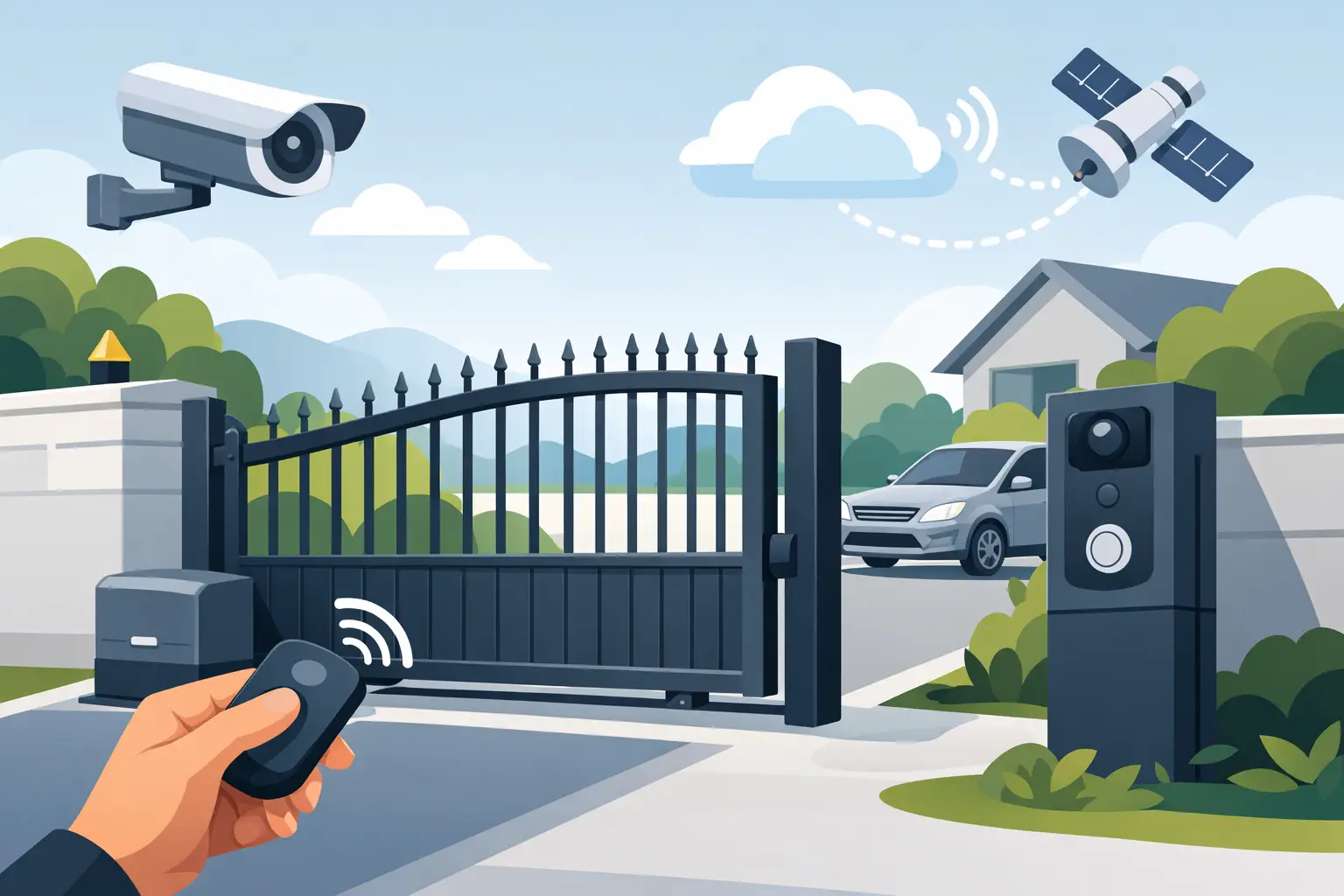
Think carefully about how people will actually use the gate. Remote controls are common, but many customers now want keypad entry, GSM access, smart controls or an integrated intercom. For larger homes, flat entrances or commercial premises, an audio or video intercom can make access management much easier.
That is also where a joined-up specification matters. A gate, automation kit and intercom should not be treated as separate purchases if they all need to work together. It is better to plan the full system at the start than to add parts later and hope compatibility issues can be solved afterwards.
Safety and compliance are not optional
Any driveway gate automation guide worth following needs to address safety properly. An automated gate is a powered entrance system, not just a manual gate with a motor attached. Safety edges, photocells, force settings and correct installation all matter.
In the UK, automated gates should be supplied and installed with appropriate risk assessment and safety measures. The exact specification depends on the gate type, usage and environment. A private residential gate and a commercial access point may have different risk profiles, but both need to be considered carefully.
This is one area where cutting corners can be expensive and dangerous. Cheap automation packages may look attractive initially, but if the system is not matched correctly to the gate and installed to the right standard, the long-term cost can be far higher than the upfront saving. Reliability, safety and aftercare support are worth paying for.
Planning for installation and groundwork
Automation is not just about the operator. Posts, foundations, hinge positions, levels, drainage and cable routes all affect the finished result. Many problems blamed on the motor are actually caused by poor groundwork or an unsuitable gate structure.
For swing gates, installers will look at hinge geometry, post stability and the travel arc. For sliding gates, they will focus on foundation quality, track alignment or cantilever support, and clear run-back space. If the entrance is being built from scratch, it makes sense to plan automation before masonry, surfacing and service routes are finalised.
This is particularly relevant on bespoke projects. Custom sizes, decorative finishes and integrated access control can all be achieved, but they work best when the project is specified as one complete package. Aluminium Gates Direct often supports buyers at this earlier stage because it helps avoid costly changes later.
What affects the cost of gate automation?
Prices vary because no two entrances are exactly alike. The biggest cost factors are usually gate size, gate type, material, automation method, access control requirements and site preparation. A standard domestic swing gate with basic automation will sit in a different price bracket from a bespoke sliding gate with intercom, keypad, safety upgrades and extensive groundwork.
It is also worth separating product cost from project cost. Buyers sometimes compare motor prices alone and assume that tells them the whole story. It does not. Fabrication quality, finish, accessories, cabling, control equipment, installation labour and commissioning all form part of the real investment.
Transparent pricing matters here. A good quotation should make clear what is included and what could change if site conditions require additional work. That helps homeowners budget sensibly and gives trade or commercial buyers a clearer basis for specification.
Common mistakes buyers can avoid
One of the most common mistakes is choosing a gate style first and only thinking about automation afterwards. Another is underestimating how often the gate will be used. What seems like light domestic use can quickly become more demanding when multiple drivers, deliveries and regular visitors are factored in.
It is also easy to focus too heavily on appearance and not enough on layout. A beautiful gate still has to open safely and reliably every day. That may mean adjusting the design, changing from swing to sliding or selecting a more suitable access control setup.
Finally, do not overlook aftercare. Even low-maintenance aluminium gates and quality automation systems benefit from periodic checks, servicing and prompt attention if performance changes. A system that is supported properly will generally give better long-term value than one bought on price alone.
Getting the specification right from the start
The best approach is to treat gate automation as a property access solution rather than a single product. That means considering the gate, the operating method, the users, the site and the budget together. For a homeowner, that may mean balancing kerb appeal with ease of use. For a developer or site manager, it may mean balancing presentation with traffic flow, compliance and durability.
If you are comparing options, ask practical questions rather than chasing the cheapest headline figure. Will the system suit the site? Is the gate material appropriate for automation? How will visitors gain access? What support is available after installation? Those are the details that shape whether the finished entrance feels dependable or problematic.
A well-specified automated gate should make arrival and access simpler, not add another maintenance issue to the list. If you start with the realities of the site and the way the entrance will be used, the right solution usually becomes much clearer.