A tired frontage can drag down the look of an otherwise well-kept property. You might have fresh paving, neat planting and a smart exterior, but if the gate looks dated, warped or rust-stained, it quickly becomes the first thing people notice. That is exactly why so many property owners ask how aluminium gates improve kerb appeal – because the gate sits right at the point where first impressions are made.
For homes, that first impression shapes how the whole property is perceived from the road. For developers and commercial sites, it affects presentation, professionalism and even buyer or visitor confidence. A gate is not just a practical access point. It frames the entrance, sets the tone and tells people something about the standard of the property behind it.
Why kerb appeal starts at the boundary
Kerb appeal is often discussed in terms of brickwork, windows and landscaping, but the boundary treatment has a major role. Gates, railings and fencing create the visual edge of the property. If that edge looks neglected, lightweight or mismatched, the rest of the site can feel less considered.
A well-designed aluminium gate gives the entrance structure and definition. It can make a driveway feel more substantial, a front garden more finished and a commercial perimeter more professional. Even on modest properties, the right gate adds a sense of order that lifts the overall appearance.
This matters because people tend to judge a property in seconds. Estate agents know it, developers know it and homeowners often feel it when they pull onto the drive after upgrading an entrance. The effect is immediate – cleaner lines, a more deliberate design and a frontage that feels complete rather than pieced together.
How aluminium gates improve kerb appeal in practical terms
The main reason aluminium gates improve appearance is simple: they stay looking good with far less effort than many alternatives. Timber can be attractive, but it can also swell, crack, fade and require regular treatment. Steel is strong, but without proper protection it can suffer from corrosion. When finishes deteriorate, kerb appeal follows.
Aluminium offers a different balance. It is lightweight, strong and naturally resistant to rust. With a quality finish, it maintains its appearance over time without the cycle of sanding, painting and repairing that often comes with traditional materials. That means the frontage is more likely to keep its sharp, cared-for look year after year.
There is also a design advantage. Aluminium gates are available in a wide range of styles, from sleek modern slatted designs to more traditional and ornate formats. That flexibility makes it easier to match the architecture of the property instead of forcing a compromise. When the gate suits the building, the frontage looks intentional rather than functional.
Cleaner lines and a more contemporary finish
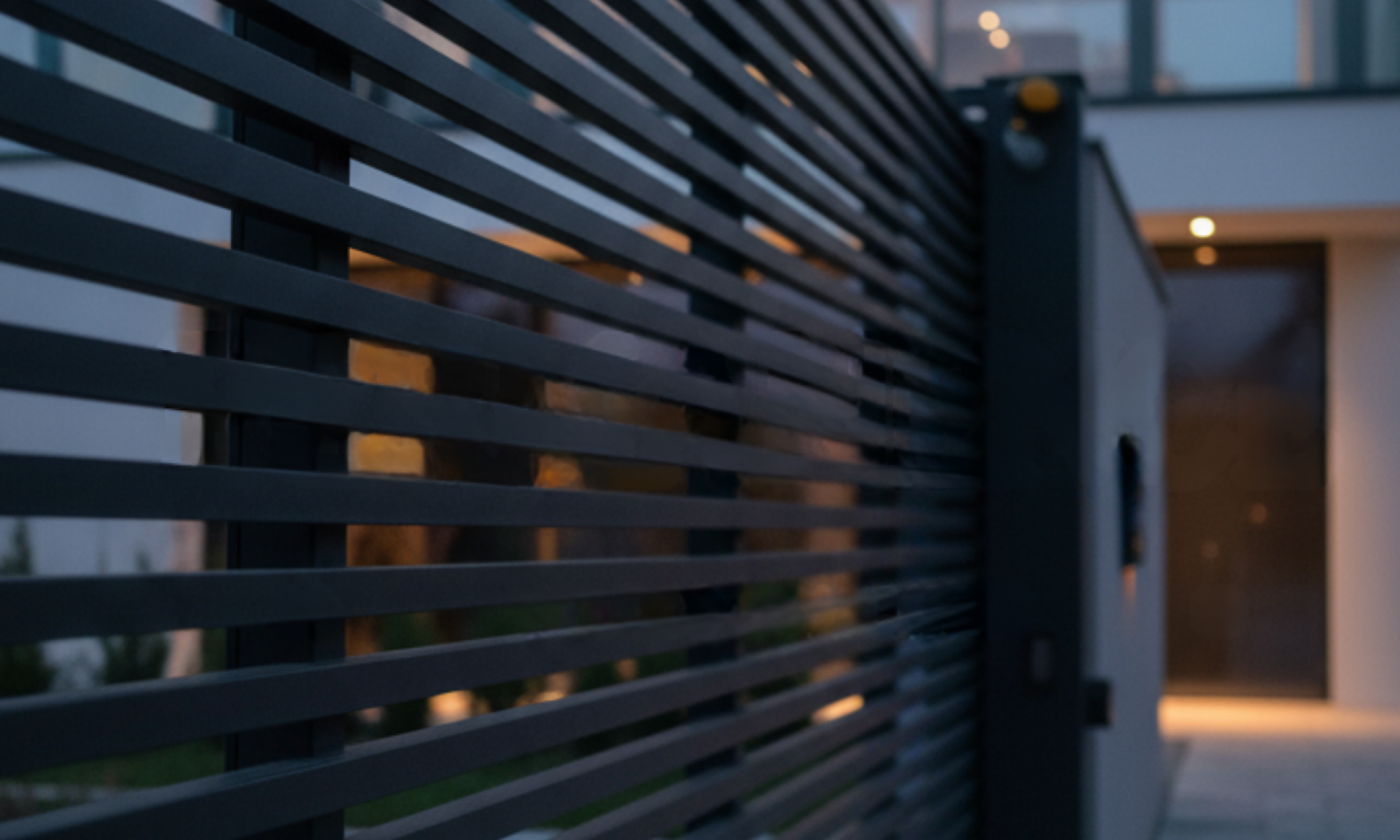
One of the biggest visual benefits of aluminium is the crispness of the finished product. Profiles can be neat, symmetrical and consistent, which gives the entrance a more polished look. On contemporary homes, this often means horizontal slats, simple framing and a smooth powder-coated finish. On period-style properties, it can mean decorative details without the maintenance concerns associated with older materials.
That clean finish matters more than many buyers expect. Straight away, it makes the entrance look newer, tidier and better maintained. In many cases, replacing an old gate has more visual impact than smaller upgrades elsewhere because it changes the whole frame of the property from the roadside.
Colour choice makes a visible difference
Kerb appeal is not only about the gate style. Colour has a strong effect on how the entrance sits against the rest of the property. Aluminium gates are well suited to powder-coated finishes in popular shades such as black, anthracite grey, white and bespoke colours.
This opens up more control over the final look. A darker gate can create contrast against brick or render and give the frontage a premium feel. A softer neutral can blend more naturally with stone, gravel or painted boundaries. The right colour can tie together doors, window frames, railings and fencing so the property looks coordinated instead of mixed.
A smart entrance without the upkeep burden
There is a practical side to kerb appeal that often gets missed. A frontage only looks good if it can be kept that way. This is where aluminium stands out.
For many homeowners, the appeal of a low-maintenance gate is not just convenience. It is the reassurance that the entrance will continue to present well without becoming another job on the list. A quick clean is usually enough to keep an aluminium gate looking fresh. There is no regular repainting and no worry about rot. That helps the property avoid the gradual decline in appearance that can happen when maintenance gets delayed.
For landlords, developers and commercial buyers, this can be even more important. When multiple properties or large sites are involved, maintenance time and cost matter. A gate that keeps its finish and structure with minimal intervention supports a better long-term appearance and lowers ongoing upkeep demands.
Matching the gate to the property style
Not every gate improves kerb appeal just because it is new. The design still needs to suit the property.
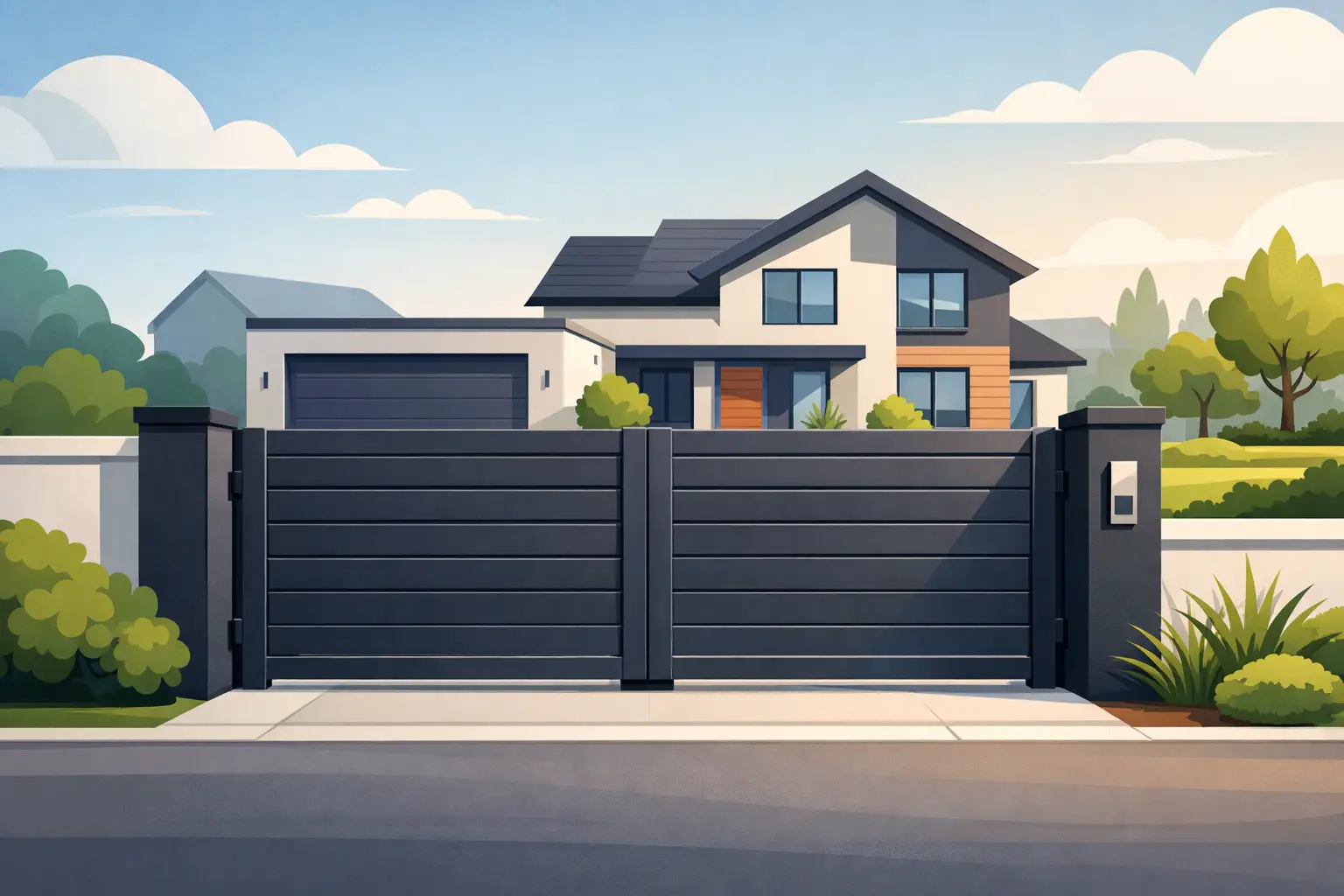
A modern new-build often benefits from minimalist aluminium driveway gates with simple lines and a refined finish. A more traditional house may suit a softer style, perhaps with decorative top details or a heritage-inspired layout. Garden gates and pedestrian gates also need to feel in step with the wider frontage, especially if fencing, railings or boundary walls are already part of the visual scheme.
This is where bespoke options can make a real difference. Readymade gates are a good solution for some projects, particularly where speed and budget are priorities, but custom sizing and design can create a stronger visual result where proportions matter. A gate that fits the opening properly and reflects the character of the property will nearly always look better than a close-enough alternative.
Proportion is as important as style
A gate can be beautifully made and still look wrong if the scale is off. If it is too low, the entrance may feel underwhelming. If it is too solid, the frontage can become heavy or overly closed off. Privacy, light flow and visibility all need to be balanced.
This is why expert guidance matters. The best kerb appeal comes from choosing a gate that suits the width of the opening, the height of nearby features and the level of privacy or openness the property needs. Sometimes a more open design gives a frontage elegance. In other cases, a taller infill design brings a stronger, more premium feel.
Security and style can work together
Some buyers assume that adding security means sacrificing appearance. In practice, aluminium gates often help solve both.
A well-designed gate gives a property clearer boundaries and a stronger sense of protection, which can itself improve perception from the street. A secure entrance tends to look more substantial and better considered. When paired with automation or intercom access, the result is often a smarter and more modern frontage rather than a harsher one.
For commercial sites, flat developments and higher-value homes, this combination is especially useful. Visitors and occupants want the perimeter to feel secure, but they also expect it to look professional. Aluminium gates allow that balance because the material supports both strong construction and a clean finish.
How aluminium gates improve kerb appeal for resale and long-term value
Kerb appeal is not just about pride in appearance, although that matters. It can also affect perceived value.
When prospective buyers arrive at a property, the entrance shapes expectations before they step out of the car. A smart aluminium gate can suggest that the property has been maintained properly and upgraded thoughtfully. It gives the impression of order, care and investment. That does not mean a gate alone transforms sale price, but it can contribute to a stronger overall impression, and that can matter in a competitive market.
For developers, the same principle applies across multiple units or shared access points. A well-finished aluminium entrance can help create a more premium feel across the scheme. For commercial premises, it supports brand image and site presentation just as much as function.
The trade-offs to keep in mind
It is worth being realistic. Aluminium is not a one-size-fits-all answer.
If someone wants the exact texture and natural ageing of real timber, aluminium may not fully replace that preference, even with wood-effect finishes available. Budget can also vary significantly depending on whether the gate is bespoke, automated or part of a larger perimeter package. And while aluminium is lightweight compared with steel, correct specification and installation still matter for performance and appearance.
That is why choosing the right supplier and the right design matters as much as choosing the material. The best results come from looking at the full picture – property style, opening size, access requirements, privacy needs and budget.
A gate should do more than close off an entrance. It should make the property look settled, secure and properly finished every time you arrive. If you want an upgrade that changes first impressions and keeps doing its job without constant upkeep, aluminium is a very strong place to start.