
How to Install Aluminium Driveway Gates

How to Install Aluminium Driveway Gates

A driveway gate that drops, drags or refuses to line up usually goes wrong long before the first hinge is fixed. If you are researching how to install aluminium driveway gates, the key is not brute force or guesswork. It is accurate measuring, sound post foundations and making sure the gate style suits the opening, ground levels and intended use from the start.

Aluminium gates have clear advantages here. They are lighter than many steel or hardwood alternatives, which makes them easier to handle on site and places less strain on hinges, posts and automation over time. They are also strong, weather-resistant and low maintenance, but none of that removes the need for a careful installation. A well-made gate still depends on correct setting out.

Before you install aluminium driveway gates

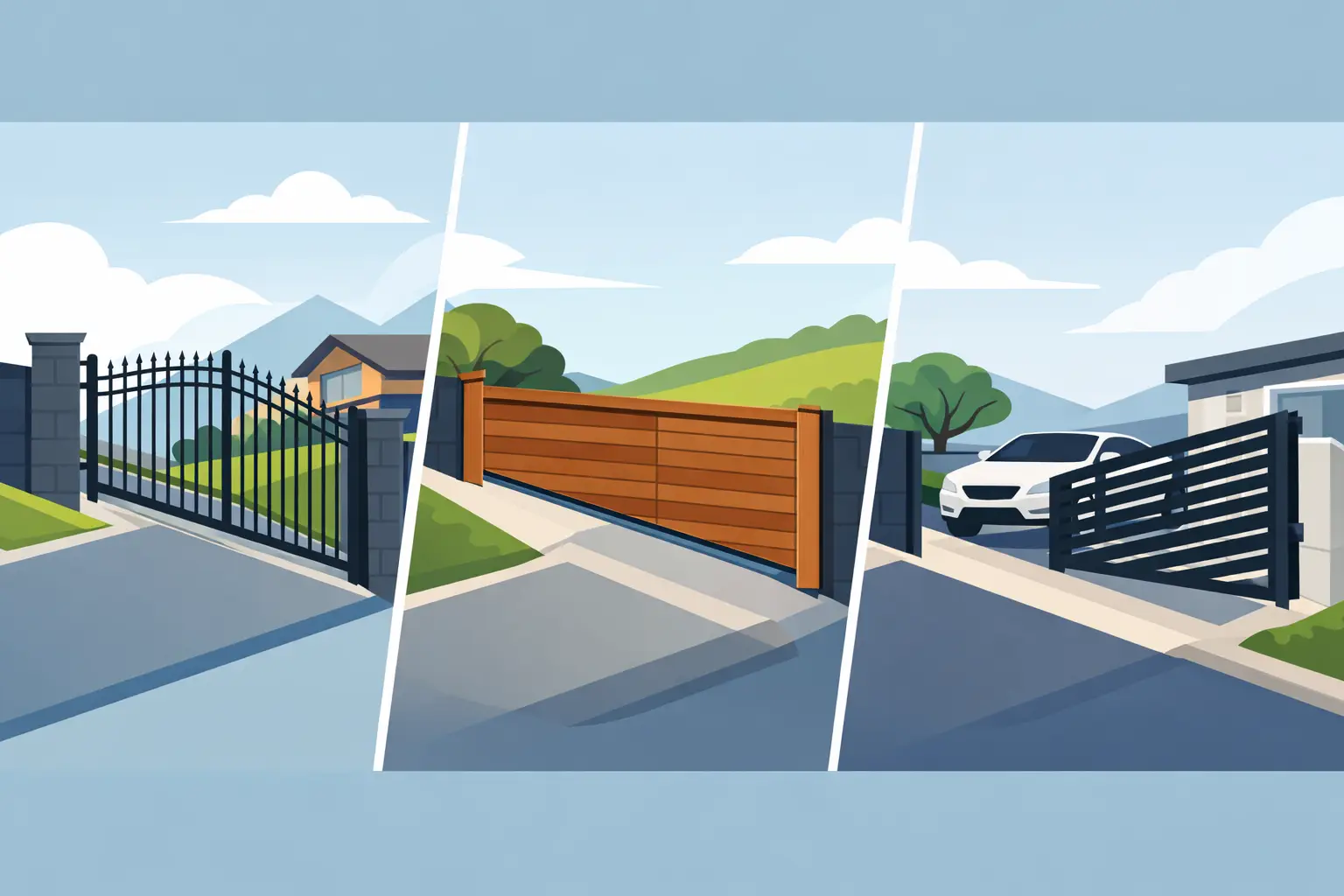
The first decision is whether the gate should be a pair of swing gates or a sliding gate. For most domestic driveways, swing gates are the straightforward option, but they need enough space to open safely without fouling the drive surface, parked cars or rising ground. Sliding gates suit tighter sites and commercial entrances, though they bring added groundwork, tracking or cantilever considerations and generally require a more specialist installation.

You also need to decide whether the gate will be manual or automated. Manual gates are simpler to fit, but if automation is likely later, it is worth planning for that at the beginning. Cable routes, hinge positions, stop points and safety requirements can all affect the install. Retrofitting is possible, but it is not always the neatest or most cost-effective route.

Check the opening width in several places, not just once. Measure between finished pillars or proposed post positions at the top, middle and bottom. If the drive is out of square, and many are, that will affect your clearances. Ground levels matter just as much. A gate can look perfectly sized on paper and still catch on a sloping drive if the opening arc has not been considered properly.

Tools, posts and preparation

Most aluminium gate installations rely on the same principles whether the design is contemporary, ornate or fully bespoke. The posts or pillars must be stable, plumb and correctly spaced. The hinges must be fixed to a solid structure. The leaves must be lifted and aligned with equal gaps, and the closing point must be supported with the right stop arrangement.

For a typical hinged driveway gate installation, you will usually need a tape measure, spirit level, string line, post hole tools, suitable fixings, packers, spanners and lifting support. If you are fitting automation, you may also need conduit planning, power access and coordination with an electrician and gate automation specialist.

Post choice is important. Aluminium gates can be fixed to steel posts, substantial aluminium posts or existing brick pillars, provided those pillars are structurally sound. That last part matters. Old masonry can look solid but still be unsuitable if movement, cracking or poor foundations are present. Because aluminium is lightweight, some buyers assume the support structure is less critical. In practice, the accuracy of the support structure is what gives the gate a clean swing and reliable closure.

When setting new posts, dig to a depth appropriate for the gate size, wind exposure and ground conditions. There is no single dimension that fits every project. A wide pair of driveway gates in an exposed rural location needs more thought than a smaller entrance in a sheltered suburban setting. If in doubt, work from the gate manufacturer’s guidance and the site conditions rather than relying on rules of thumb.

How to install aluminium driveway gates step by step

Start by marking out the exact gate opening and confirming the hinge side for each leaf. Allow for the manufacturer’s recommended gaps at the hinge side, meeting stile and bottom clearance. Those tolerances are there for a reason. Too tight, and the gate may bind as temperatures change or the ground moves slightly. Too loose, and the finished result can look poor and feel less secure.

If you are installing posts, set them first and let the concrete cure fully before hanging the gates. Trying to speed this stage often causes alignment issues later. Use a level on more than one face of each post and check the spacing again before the concrete sets. Even a small error can become obvious when both gate leaves are hung.

Once the posts or pillars are ready, fix the hinge hardware in line with the gate specification. Some systems use adjustable hinges, which are especially useful because they allow fine tuning once the gate leaf is in position. Offer up the first leaf carefully, using support blocks or a lifting aid to achieve the correct height off the ground. Aluminium is lighter than many gate materials, but driveway gates are still awkward items to manoeuvre safely.

Tighten the hinges enough to hold the leaf while leaving room for adjustment. Then check the swing. The leaf should move freely without twisting, scraping or dropping at the closing edge. Repeat the process for the second leaf, paying close attention to the centre gap. A neat, even meeting line is one of the clearest signs of a good installation.

At this stage, fit the drop bolt, centre stop or latch arrangement as required. For manual gates, the closing hardware needs to feel positive without forcing the leaves out of alignment. For automated gates, the stop positions must match the motor setup and safety system. It is worth taking your time here, because poor stop placement can affect both appearance and long-term performance.

Common installation mistakes to avoid

The biggest mistake is assuming the opening is straight and level when it is not. Drives often fall away, pillars can lean slightly and finished surfaces are not always as accurate as expected. Measure repeatedly and dry-check positions before anything is fixed permanently.

Another common issue is underestimating the effect of gate width. A wide aluminium gate is still lighter than many alternatives, but width creates leverage. That places force on hinges and posts, especially in windy conditions. Correct hinge specification and solid support are essential.

Clearance errors are also common. If the bottom gap is too small, the gate may catch on gravel, block paving or debris. If the gate opens onto a slope, the opening arc must be calculated properly. Sometimes a sliding gate or a change in hinge arrangement is the better answer than trying to force a swing gate into an unsuitable entrance.

Automation creates its own complications. Motors, control boards, safety edges, photocells and intercom access all need coordinated planning. A gate that is easy to hang manually is not automatically ready for powered operation. If the end goal is an automated entrance, it is usually best to treat the gate, access control and installation as one joined-up project.

DIY or professional installation?

That depends on the gate type, your practical experience and the site itself. A straightforward pair of manual aluminium driveway gates on correctly installed posts may be within reach for a competent installer or experienced trade customer. If the site is uneven, the gates are large, pillars need structural assessment or automation is involved, professional installation is the safer route.

For many homeowners, the real value in professional fitting is not just labour. It is having someone identify issues before they become expensive. Incorrect post spacing, poor drainage around foundations, awkward access for motors or unsuitable existing pillars can all delay a job or compromise the result. Getting those points right early usually saves time and money.

This is where product choice also matters. A made-to-measure gate designed around the opening, usage and fixing method is easier to install well than a gate that is only approximately right. Suppliers such as Aluminium Gates Direct support customers with specification advice, gate style options and access to installation partners, which helps remove guesswork from the process.

Final checks after installation

Once the gates are hung and hardware is fixed, test the full range of movement several times. Open and close each leaf fully, checking for smooth travel, consistent gaps and secure closure. Recheck all fixings after the first period of use, especially if adjustable hinges have been fine-tuned on site.

With aluminium, ongoing maintenance is refreshingly simple. You will not be dealing with rust in the same way as untreated steel or regular repainting associated with timber. Even so, hinges, latches and automation components should still be inspected periodically, and the gate should be kept clear of built-up dirt, leaves and grit around moving parts.

A good installation should look effortless once it is finished. That is usually the result of careful preparation, accurate measuring and knowing when a site needs a bespoke answer rather than a standard one. If you are planning a new gate, the best starting point is not the hinge. It is choosing a gate system that genuinely suits the entrance, the property and the way the gate will be used every day.

Best Alternative to Driveway Gates

Best Alternative to Driveway Gates

A full driveway gate is not always the right answer. Some properties need clearer boundaries without restricting access, some need a lower upfront cost, and some simply do not have the space or layout for swing or sliding gates. If you are looking for an alternative to driveway gates, the best option depends on what matters most to you – security, appearance, convenience, planning constraints or budget.

For some owners, the real issue is not whether they want a gate at all. It is whether a gate solves the problem they actually have. A family home may need privacy from the road. A commercial site may need traffic control rather than a decorative entrance. A developer may want a smart frontage that is easy to maintain across multiple plots. Once you look at the reason behind the enquiry, the right solution becomes much easier to identify.

When an alternative to driveway gates makes sense

Driveway gates are a strong choice for many homes and commercial premises, but they are not universal. A steeply sloping drive can make swing gates impractical. A short drive may leave little room for a vehicle to wait safely while gates open. On busy roads, stopping outside the entrance can be awkward. In other cases, customers want the visual definition of an entrance without the full enclosure of a gate.

There is also the question of maintenance and use. Timber gates can need regular treatment. Heavier steel systems can be harder to handle. Automated systems add convenience, but they also add components that need proper specification and installation. For customers who want a simpler perimeter solution, alternatives can offer a better balance.

The main alternatives to driveway gates

Fencing and railings with an open entrance

One of the most practical alternatives to driveway gates is to frame the boundary clearly with fencing or railings while leaving the driveway entrance open. This works well when the goal is to define the perimeter, improve appearance and discourage casual access rather than fully control it.

For residential properties, aluminium railings or fencing can create a neat, finished frontage with very little upkeep. This is often a good fit for homes where vehicles come and go frequently and the inconvenience of opening and closing gates would outweigh the benefit. You still gain structure and kerb appeal, but with unrestricted access.

For developers and commercial premises, open entrances combined with consistent perimeter railings can also help with site presentation. It gives the property a professional edge without creating bottlenecks at entry and exit points.

Rising bollards or fixed bollards

If vehicle control is the main concern, bollards may be a better fit than a gate. Fixed bollards can prevent unauthorised vehicle access while keeping the entrance visually open. Removable or telescopic bollards allow occasional access for approved vehicles. Automated rising bollards are more advanced again and tend to suit commercial settings, flat schemes or higher-security sites.

The advantage here is clarity. Bollards deal directly with vehicle access, which is often the real requirement. They do not provide the same visual impact or privacy as a gate, but they can be very effective where space is limited or where a full-width gate would be excessive.

Barriers for managed access

For commercial sites, private roads and some shared residential developments, a barrier can be the most efficient alternative to driveway gates. Barriers are designed around traffic flow. They open quickly, work well with intercoms and access systems, and are often easier to integrate where there is regular vehicle movement.

That said, barriers are more functional than decorative. They control entry, but they do not usually enhance the frontage in the same way as a well-designed gate and railing system. If appearance matters as much as access control, this trade-off should be considered early.

Walls, piers and landscaping

Sometimes the best alternative is not a mechanical product at all. A low wall, brick piers, planters or structured landscaping can create a stronger sense of arrival and boundary without installing gates. This approach suits homes where security is a lower priority but visual definition is still important.

The benefit is simplicity. There are no moving parts, no automation options to consider and very little day-to-day interaction. The drawback is obvious enough – this approach does not stop vehicles or pedestrians in the same way that a gate, barrier or bollard system can.

Choosing the right option for your property

The right alternative to driveway gates depends on how the entrance is used in practice. If your property is open most of the day and ease of access matters most, open-front railings or fencing may be all you need. If the concern is preventing vehicle theft or deterring unauthorised parking, bollards are often more relevant. If you manage a site with regular authorised traffic, barriers may make more operational sense.

Appearance should not be treated as a secondary issue. The entrance is one of the first things people see, whether that is visitors arriving at a home or clients visiting a commercial site. A practical solution that looks out of place can reduce the overall finish of the property. This is why material choice matters.

Aluminium is often worth considering even when you are not choosing a full gate. It offers a clean appearance, strong corrosion resistance and very low maintenance compared with timber or mild steel. For customers who want the front boundary to stay smart without ongoing painting or treatment, that can be a significant advantage over time.

Security versus convenience

This is where many decisions come down to reality rather than preference. A full gate generally gives the strongest visual signal that access is controlled. An open entrance with railings does less to physically restrict movement, but it is easier to live with day to day. Bollards can stop vehicles but do not necessarily affect pedestrian access. Barriers manage traffic efficiently but can feel more commercial than domestic.

In other words, there is no single best answer. A homeowner on a quiet lane may be perfectly well served by decorative railings and an open driveway. A house on a main road may benefit more from a sliding gate because safe vehicle holding space matters. A warehouse yard may need automation and intercom integration rather than an ornamental frontage.

The strongest outcomes usually come from matching the product to the actual risk and the actual pattern of use. Over-specifying can waste budget. Under-specifying can leave the entrance failing at the one job it needed to do.

Cost, upkeep and long-term value

Budget often starts the conversation, but it should not end it. A cheaper entrance treatment may cost less to install while offering less control, less privacy or a shorter lifespan. Equally, paying for a full automated gate system when a simpler perimeter arrangement would do can be unnecessary.

Long-term upkeep matters just as much. Timber features can look attractive at first but typically need ongoing treatment in the British climate. Steel can be strong, but if coatings fail, rust becomes a concern. Aluminium products appeal to many customers because they stay looking good with very little intervention, which can shift the value equation over several years.

This is especially relevant for landlords, developers and commercial buyers managing multiple properties. Reduced maintenance is not just convenient. It affects labour, future replacement planning and whole-life cost.

A gate may still be the better choice

It is worth saying plainly that an alternative is not automatically better. In many cases, a driveway gate remains the most complete solution because it combines access control, boundary definition and visual impact in one product. If privacy, security and presentation all matter, a properly specified gate can justify itself quickly.

The key is not to choose against gates on principle. It is to assess whether a different solution fits the property more naturally. Where customers need advice on that balance, specialist guidance can save time and prevent expensive mistakes. At Aluminium Gates Direct, this often means discussing the entrance layout, the level of security required, preferred appearance and whether automation or intercom access is likely to be needed now or later.

If you are weighing up an alternative to driveway gates, start with the practical question: what must this entrance do every day? Once that is clear, the right solution usually follows – and it is far easier to invest confidently when the product matches the job.

Aluminium Driveway Gates Prices Explained

Aluminium Driveway Gates Prices Explained

If you are comparing aluminium driveway gates prices, the gap between one quote and the next can look wider than expected. A simple pair of manual gates for a standard driveway will sit in a very different price bracket from a fully automated sliding gate with bespoke sizing, intercom access and installation. That does not mean pricing is unclear – it means the final figure depends on the specification, and getting that specification right is what protects your budget.

For most buyers, the real question is not just what a gate costs. It is what you are paying for, where the value sits, and which features are worth adding for your property. That is especially true when you want a gate that looks right at the front of your home or development, works reliably day after day, and does not bring ongoing maintenance costs with it.

What affects aluminium driveway gates prices?

The biggest influence on price is size. Wider openings need more material, stronger support and, in some cases, a different operating method. A gate for a modest private drive is naturally more affordable than one designed for a larger entrance or commercial access point.

Style also matters. Readymade aluminium driveway gates tend to offer the most cost-effective route because sizes and designs are standardised. Bespoke gates cost more because they are tailored to your opening, visual preferences and site needs. If you want a particular infill style, decorative detailing or a non-standard height, the price will rise accordingly.

The opening type plays a major part as well. Swing gates are often the simpler option where there is enough space behind the gate line for leaves to open safely. Sliding gates can be the better solution on certain sites, but they usually involve more groundwork, more hardware and a more complex installation. That tends to push the overall project cost higher.

Finish and design detail can shift pricing too. One of aluminium’s strengths is that it offers a clean, durable finish with very little upkeep, but some styles are more complex to produce than others. A straightforward contemporary design is usually more budget-friendly than a heavily ornate or fully bespoke entrance gate.

Typical price ranges for aluminium driveway gates

As a guide, manual aluminium driveway gates for domestic properties often start from the lower end of the market when you choose a standard size and a simpler design. Once you move into made-to-order sizing, taller gates or more decorative styles, you should expect the price to increase.

Automation changes the picture again. Adding motors, control equipment, safety features and access controls can add a significant amount to the total project cost. The benefit is convenience, security and a more premium feel, but it is not an add-on to treat casually. Good automation should be matched properly to the gate size, usage level and site layout.

Installation is another cost area buyers sometimes overlook. Supply-only pricing may look attractive at first glance, but the fitted cost is what matters if you need a complete solution. Posts, foundations, electrical works, access control setup and site preparation all have a bearing on the final figure.

Rather than looking for a single national average, it is better to think in bands. A standard manual setup will usually sit at the more affordable end. A bespoke automated entrance with intercom and tailored installation support will sit much higher, but it is serving a different purpose and delivering a different result.

Why aluminium can offer better long-term value

At first glance, some buyers compare aluminium against timber or steel on purchase price alone. That is understandable, but it can be misleading. The more useful comparison is ownership cost over time.

Aluminium is lightweight, strong and resistant to the problems that affect other materials. It does not rust like untreated steel and it does not swell, crack or require regular repainting in the way timber often does. For homeowners and site managers, that usually means less maintenance, fewer repair costs and less time spent keeping the gate looking presentable.

That lower upkeep is one of the reasons aluminium driveway gates prices often represent strong value even when the upfront cost is not the very lowest available. A gate at the entrance of your property is exposed to weather, daily use and constant visibility. Paying for a material that stays smart and performs reliably is often the more economical decision in the medium to long term.

Readymade or bespoke – which is better for your budget?

If your opening is fairly standard and you want a quicker, more straightforward purchase, readymade gates are often the best place to start. They can keep costs under control while still delivering the core benefits of aluminium – durability, low maintenance and kerb appeal.

Bespoke gates are the better choice when the site is unusual, the design brief is specific, or the gate needs to align closely with other perimeter products such as fencing, railings or pedestrian access points. They cost more because more design, manufacturing and planning work sits behind them, but they can also prevent compromises that lead to poor fit, awkward operation or a finish that does not suit the property.

There is no universal right answer here. If a standard gate meets the practical and visual needs of the site, it can be excellent value. If the property demands a made-to-measure solution, bespoke pricing is often money well spent.

How automation affects aluminium driveway gates prices

Automation is one of the most common upgrades buyers ask about, and rightly so. For many properties, it turns a gate from a basic boundary feature into a proper access solution.

The cost depends on the gate type, the weight and width of the leaves, the expected frequency of use, and the control method. Remote operation is common, but many buyers also want keypad entry, vehicle detection, safety sensors or integrated intercom systems. Commercial sites may need a more durable setup than a private home because usage levels are higher and access control requirements are stricter.

It is worth being realistic here. Cheap automation can be a false economy if it is not properly specified or installed. Good systems cost more because they are designed for safe, dependable operation. If you are investing in an aluminium gate for convenience and security, the automation package should be treated as part of the core specification, not an afterthought.

Questions to ask before comparing quotes

A lower quote is not always the better quote. It may exclude essentials such as posts, fittings, delivery, automation setup or installation. It may also be based on a different gate specification altogether.

When reviewing aluminium driveway gates prices, ask whether the quote covers supply only or supply and installation, whether the gate is readymade or bespoke, what finish is included, and whether automation and access control are part of the figure. It is also sensible to ask about lead times and what site information is needed before a final price can be confirmed.

The clearer the specification, the easier it is to compare options properly. That protects you from false savings and helps ensure the finished gate performs as expected.

Choosing the right supplier matters as much as the gate

A well-priced gate is only good value if the advice behind it is sound. Buyers often come to the process with different priorities. Some want to improve kerb appeal, some want to reduce maintenance, and some need a secure, automated entrance that works as part of a wider perimeter system.

That is why specialist guidance matters. A supplier who understands design options, practical site constraints and installation requirements can help you avoid paying for features you do not need – or missing features you will later wish you had. At Aluminium Gates Direct, that means helping customers weigh up readymade versus bespoke options, manual versus automated operation, and product-only versus a supported installation route through a nationwide partner network.

The best buying decisions are rarely made on headline price alone. They come from matching the gate to the property, the usage and the budget with clear advice from the outset.

A sensible way to budget for your gate

If you are at the early planning stage, start by fixing your priorities. Decide whether your main aim is appearance, convenience, security, low maintenance or a balance of all four. Then think about whether your site suits swing or sliding gates, whether you need automation from day one, and whether a standard size could work or a bespoke design is necessary.

From there, ask for a quote based on a realistic specification rather than a rough idea. That gives you a truer picture of cost and a much better chance of getting the right result first time.

A driveway gate is a visible, hard-working part of your property. When the price reflects the right design, the right material and the right level of support, it becomes an investment you notice for the right reasons every time you arrive home.

What Are the Best Driveway Gates?

What Are the Best Driveway Gates?

If you are asking what are the best driveway gates, the honest answer is not a single style or material. The best gate is the one that suits your property, your priorities and how you use the entrance every day. A gate that looks right but needs constant upkeep can become a frustration. A gate that is strong but too heavy or awkward for the space can create problems from the start.

For most UK buyers, the decision usually comes down to five things: security, appearance, maintenance, automation, and budget. Once those are clear, the shortlist becomes much easier to manage.

What are the best driveway gates for most properties?

For many homes and commercial entrances, aluminium driveway gates are the strongest all-round choice. That is because they combine the qualities most buyers want in one product – good security, long-term durability, low maintenance and a wide range of design options.

Traditional materials still have their place. Timber offers warmth and character, while steel can suit more formal or high-security settings. But each comes with trade-offs. Timber needs regular treatment and can move over time with weather exposure. Steel is strong but heavy, and if the finish is compromised, rust becomes a concern. Aluminium avoids many of those issues while still offering a premium finish.

That matters even more on a driveway gate, where size, weight and daily use all have a direct impact on performance. A lighter gate puts less strain on hinges, posts and automation systems. Over the years, that can make a noticeable difference to reliability and maintenance costs.

The main gate materials compared

Aluminium

Aluminium is often the best option if you want a gate that looks smart and stays that way without ongoing effort. It does not rust, it is lightweight compared with steel, and it does not need the regular sanding, staining or painting associated with timber. For busy households, landlords, developers and commercial buyers, that lower maintenance burden is a major advantage.

It is also a versatile material from a design point of view. Aluminium gates can suit contemporary properties, period-inspired homes and commercial premises alike. Whether you want a clean horizontal design, a more traditional boarded appearance or something ornate and decorative, there is usually a suitable aluminium option.

Timber

Timber gates can look excellent, especially on rural properties, cottages and traditional homes. They bring a natural finish that many buyers still prefer. If appearance is your main priority and you are prepared for the upkeep, timber can work well.

The issue is that timber is a higher-maintenance choice. In the UK climate, rain, frost and sunlight all take their toll. Without regular treatment, timber can fade, swell, crack or warp. That does not make it a poor material, but it does mean buyers should go in with realistic expectations.

Steel or wrought iron style gates

Steel gates are associated with strength and formality. They often suit larger entrances, heritage settings and commercial sites where a substantial look is part of the brief. Ornate designs can be particularly effective on properties with railings or boundary features in a similar style.

The downside is weight. A heavier gate can require more substantial support and may be less forgiving where the opening is not straightforward. Ongoing maintenance also needs consideration, particularly if coatings become damaged.

Swing or sliding – which is better?

Material is only part of the answer. Gate operation matters just as much.

Swing gates

Swing gates are a popular choice for domestic driveways because they suit many property layouts and can create a traditional, balanced entrance. They can open inwards as a pair or as a single leaf, depending on the width and available space.

They do, however, need enough clearance to open properly. If your driveway slopes upwards towards the property, or space is limited behind the gate line, swing gates may not be the best fit.

Sliding gates

Sliding gates are often the better option for wider openings, restricted entrances or sites where security and controlled access are key. Because they move sideways rather than swinging in or out, they can work well where space is tight or the ground levels make swing operation impractical.

They can also be a strong choice for commercial premises and modern residential projects. The trade-off is that they need room to slide into, and the track or cantilever system must be properly planned.

What makes a driveway gate the right choice?

The best driveway gates are not just about material or opening style. They are the gates that solve the practical brief without compromising the look of the property.

Security is usually near the top of the list. A driveway gate should define the boundary clearly, deter casual access and work well with locking or automation systems where needed. Privacy can be just as important. Some buyers want a more open design that preserves visibility, while others prefer solid infill or closely spaced boards to reduce overlooking.

Then there is kerb appeal. Your gate sits at the front of the property and creates an immediate impression. A good design should feel proportionate to the house, boundary and entrance width. A gate that is too plain can look underwhelming, while one that is too ornate can feel out of place.

Maintenance should never be treated as an afterthought. Many customers start out focused on design and then realise later that repainting, treating or repairing a gate every few years is not something they want to take on. That is one reason aluminium has become such a popular choice across both residential and commercial projects.

What are the best driveway gates if you want low maintenance?

If low maintenance is one of your main goals, aluminium is hard to beat. A quality powder-coated aluminium gate gives you a clean, durable finish without the ongoing workload that comes with timber or untreated metal alternatives.

This is especially relevant for larger driveway gates. The bigger the gate, the more noticeable the maintenance becomes. Repainting or refinishing a pair of large timber gates is one thing when they are new and attractive. It is another when they have been through several winters and need attention again.

For developers and commercial buyers, the same point applies at scale. Lower maintenance can mean lower ongoing cost, fewer site visits and a better long-term finish for the entrance.

Bespoke or readymade?

This depends on the property and how specific your requirements are. A readymade gate can be a sensible option when the opening is straightforward and the design brief is simple. It can also help with lead times and budget.

A bespoke gate is usually the better route when the opening is unusual, the property has a particular style to match, or you want to integrate specific features such as automation, intercom access or a matching pedestrian gate. Custom sizing and design flexibility can make a significant difference to the final result.

There is no right answer for every project. The key is choosing a solution that fits the opening properly and performs well long term, rather than forcing a standard product into a space where it is not quite right.

Automation changes the decision

Many buyers now expect driveway gates to work with automation, keypad entry or intercom systems. If that is part of your plan, it should shape the gate choice from the beginning rather than being treated as an add-on later.

Gate weight, hinge quality, opening style and available space all affect automation performance. A well-made aluminium gate is often a practical option here because the lighter weight supports smoother operation and reduces strain on motors and hardware.

For higher-use sites, this becomes even more important. A gate that opens several times a day needs to be built with that level of use in mind.

So, what should you choose?

If you want the most balanced answer to what are the best driveway gates, aluminium driveway gates will suit the majority of buyers best. They offer an excellent mix of durability, appearance, low maintenance and automation compatibility, and they can be tailored to suit both modern and traditional properties.

That said, the right gate still depends on the setting. A timber gate may be the better visual match for a rural home. A steel gate may suit a more formal or security-led entrance. The important thing is to weigh the look you want against the upkeep, the opening layout and how the gate will be used in practice.

At Aluminium Gates Direct, that is exactly where good advice matters. The right gate should not just look good on day one. It should continue to suit the property, the budget and the way the entrance is used for years to come.

If you are comparing options, start with the practical questions first – how much space you have, how much privacy you want, whether automation is needed and how much maintenance you are realistically willing to take on. Once those are clear, the best choice usually becomes obvious.

Aluminium Gates Direct Becomes A Distributor for Akuvox Intercom Systems

Akuvox smart intercoms

Aluminium Gates Direct is proud to announce its appointment as a main distributor for Akuvox intercom systems, strengthening its position as a leading supplier of smart access solutions for residential and gated properties.

Akuvox is internationally recognised for its advanced IP intercom and access control technology, offering innovative solutions that combine security, convenience, and modern design. This partnership enables Aluminium Gates Direct to supply a comprehensive range of Akuvox products that integrate seamlessly with electric gates, access control systems, and smart home technology.

As a main distributor, Aluminium Gates Direct will provide access to Akuvox’s full residential intercom range — from compact gate intercoms with keypad and RFID access to premium touchscreen and facial recognition systems. Many models are also available with LTE connectivity, making them ideal for locations without a fixed internet connection.

The appointment allows Aluminium Gates Direct to offer improved product availability, expert technical advice, and dedicated support to homeowners, installers, and trade customers. By combining high-quality aluminium gates with industry-leading intercom technology, the company delivers a complete, future-proof access solution from a single trusted supplier.

This partnership reflects the growing demand for smart, keyless entry systems that provide greater control, security, and peace of mind. With Akuvox intercoms now available through Aluminium Gates Direct, customers can benefit from reliable, scalable access control designed for modern living.

For more information about Akuvox intercom systems or to discuss the right solution for your property, contact Aluminium Gates Direct or explore the range online.

Aluminium Gate Maintenance Tips for Long-Lasting Durability

How To Maintain Aluminium Gates for Long-Lasting Durability

Proper aluminium gate maintenance tips start with understanding why powder-coated aluminium stands out for strength and weather resistance, and how routine care preserves that advantage. You’ll discover cleaning methods, lubrication routines, mechanical inspections, repair techniques, and strategies for harsh environments. This guide maps five core themes—regular cleaning, hinge and lock lubrication, component inspection, surface repair, and long-term benefits—plus specialized advice for coastal or industrial settings and concise answers to common maintenance questions. Our insights draw on the expertise at semlocal.co.uk to ensure your aluminium gate maintenance aligns with industry best practices, boosts curb appeal, and protects your investment.

Why Is Regular Cleaning Essential for Powder-Coated Aluminium Gates?

Regular cleaning removes abrasive contaminants that degrade the powder-coated finish on aluminium gates, preserving corrosion resistance and aesthetic appeal. Dirt particles act like sandpaper on the protective layer, leading to micro-abrasions that invite oxidation. Consistent washing prevents buildup of pollutants and salt spray, especially in coastal or urban areas, ensuring your gate’s weather-resistant coating functions as designed. Detailed cleaning also gives you a chance to spot early damage before it worsens, reinforcing smooth operation and long-term durability without costly refinishing.

What Are the Best Cleaning Products for Aluminium Gates?

Below is a comparison of top-rated, pH-neutral cleaning agents that safeguard powder-coated surfaces while lifting grime effectively.

Cleaning Agent Key Property Benefit
Mild Detergent pH-neutral Protects coating integrity
Car Wash Soap Low-foaming Reduces residue streaks
Plant-based All-Purpose Biodegradable Minimizes environmental impact

Each product listed preserves the powder coat by avoiding alkaline or acidic ingredients. Choosing one of these ensures safe, effective cleaning before moving on to lubrication routines.

Powder Coating on Aluminum: Durability and Environmental Benefits

Powder coating on aluminum represents a significant technological evolution from traditional metal finishing techniques such as liquid painting and anodizing. This method offers enhanced durability, superior aesthetic appeal, and better environmental compliance, making it highly relevant in today’s engineering and manufacturing landscapes. As industries prioritize sustainability, powder coating stands out  for its ability to  eliminate volatile organic compounds (VOCs), aligning with stricter environmental regulations that steer away from solvent-based finishes.

For engineering professionals, grasping the nuances of powder coating on aluminum is crucial. It not only affects the design and functionality of products across various sectors, including automotive, aerospace, and consumer electronics but also drives innovation in application processes to meet high industry standards and consumer expectations. Understanding this aluminum powder coating process equips professionals to effectively contribute to advancements in metal finishing, ensuring products are both high-quality and environmentally responsible.

Powder coating is a dry  finishing process  where a free-flowing, dry powder is applied to a surface, typically metal, and then cured under heat to form a skin-like layer. Unlike traditional liquid coatings, powder coating does not require  solvents, making it environmentally friendly due to reduced  volatile organic compound  (VOC) emissions. This process offers enhanced durability, resistance to fading, chipping, and scratching, and provides a thicker coating than conventional paints without running or sagging.

In this process breakdown, we explore the key steps involved in achieving a high-quality powder-coated finish on aluminum surfaces. From surface preparation techniques to inspection methods are discussed below.

Proper surface preparation is crucial for ensuring effective adhesion of powder coating to aluminum. This involves a detailed unders

Can Aluminum Be Powder Coated: Understanding the Process and Best Practices

How Often Should You Clean Aluminium Gates in Different Environments?

The frequency of washing varies by exposure level and pollution:

Environment Recommended Interval Rationale
Coastal Areas Every 2–3 months Marine salt accelerates corrosion
Urban Locations Every 3–4 months Pollution and vehicle exhaust deposit contaminants
Rural Settings Every 6 months Lower pollutant concentration

Adjust these intervals based on visible grime or airborne debris. More frequent cleaning preserves protective coatings, while less frequent work suffices where contaminants are minimal.

What Should You Avoid When Cleaning Aluminium Gates?

To protect powder-coated gates, steer clear of these practices:

  • Pressure Washers: High-pressure streams can erode the powder coat and expose bare aluminium.
  • Abrasive Cleaners: Scouring powders or pads scratch the finish and undermine corrosion resistance.
  • Harsh Chemicals: Solvents, acids, or bleach strip protective layers and dull the surface.

Avoiding these ensures your gate’s finish remains intact, leading naturally into proper lubrication and mechanical care.

How Do You Lubricate Aluminium Gate Hinges and Locks for Smooth Operation?

Lubricating hinges and locks reduces friction between metal parts, preventing stiffness and wear that can lead to misalignment or seized mechanisms. A light application of a suitable lubricant forms a thin protective film that repels moisture, inhibits corrosion, and ensures quiet, effortless opening and closing. Consistent lubrication also extends the service life of moving components, safeguarding gate performance across seasons by countering temperature-driven expansion and contraction.

Which Lubricants Are Best for Aluminium Gate Hinges and Moving Parts?

For reliable hinge and lock maintenance, consider these lubricants:

  • WD-40 Specialist: Penetrates deeply to free stuck parts and leaves a corrosion-resistant film.
  • Silicone Spray: Creates a long-lasting, water-repellent layer without attracting dust.
  • Lithium-based Grease: Adheres under heavy load, ideal for larger hinge bearings.

Each option balances penetration, moisture resistance, and residue characteristics, letting you choose based on gate design and usage frequency.

How Often Should You Lubricate Hinges and Locks?

Maintain smooth operation by lubricating at these intervals:

  • Manual Gates: Every 6 months or sooner if squeaking appears.
  • High-Traffic Gates: Quarterly lubrication for gates opening multiple times daily.
  • Automated Gates: Every 3 months, in line with professional servicing schedules.

Regular lubrication prevents wear buildup and fits naturally into your cleaning and inspection calendar.

What Are the Signs of Stiff or Squeaky Aluminium Gate Hinges?

Watch for these warning signals that lubrication is overdue:

  • Squeaking Sounds when opening or closing.
  • Increased Resistance requiring extra force to move the gate.
  • Visible Rust or Corrosion on hinge pins and locking mechanisms.
  • Loose or Wobbly Hinges indicating wear and material stress.

Addressing these signs promptly avoids accelerated component damage and maintains gate alignment.

How Can You Inspect and Maintain Aluminium Gate Components for Longevity?

Systematic inspection identifies loose fasteners, misalignment, or mechanical wear before they compromise gate function. Checking screws, bolts, hinges, and posts ensures structural integrity and smooth operation. Early detection of minor issues lets you tighten parts or replace damaged elements, preventing more extensive repairs. Coupled with cleaning and lubrication, routine inspections form the backbone of a proactive maintenance plan that maximizes gate lifespan and performance.

How Do You Check and Tighten Screws, Bolts, and Fasteners on Aluminium Gates?

Follow these steps for a thorough fastener check:

  1. Visually scan all hinge plates, lock brackets, and support posts for loose hardware.
  2. Use the correct screwdriver or socket wrench to tighten any screws and bolts snugly without over-torquing.
  3. Replace stripped or corroded fasteners with stainless steel equivalents to maintain durability.
  4. Re-test gate movement to confirm alignment and absence of binding.

This routine prevents wobble and ensures safe, reliable gate operation, setting the stage for professional evaluations when needed.

Powder Coating for Aluminum: Corrosion Protection and Adhesion Study

The thesis examines the fundamental factors governing the corrosion protection properties of powder coatings on various steel and aluminium substrates. A corrosion testing programme involving static outdoor roof exposure and salt spray fog testing has been carried out and the results related to potential-time measurements. The powder coatings studied were a polyester, a mixed polymer and various epoxy coatings including a low-bake formulation and a matt-textured coating on substrates in conditions including grit blast, iron and zinc phosphated and chromated. A study of adhesion was carried out and attempts made to develop a good quantitative test for powder coatings. The curing stage in the production of powder coatings was studied with differential thermal analysis and a hot stage microscope technique. The hot stage microscope technique studied the flow behaviour of the molten particles on various substrates and it was found that flow varied according to powder type, the subst

A fundamental study of surface protection by powder coating, 1979

When Should You Call a Professional for Automated Aluminium Gate Servicing?

Engage a qualified technician under these conditions:

  • Motor or Sensor Faults: Unresponsive open/close commands or safety sensor errors.
  • Unusual Vibrations during operation indicating misalignment or worn gearing.
  • Hydraulic or Electrical Leaks around actuators that require specialized repair.
  • Annual Safety Inspection: to verify compliance with local regulations and warranty requirements.

Professional servicing complements your DIY maintenance, ensuring complex electromechanical systems remain reliable.

What Are Common Mechanical Problems and How Can You Troubleshoot Them?

Typical issues and fixes include:

  • Gate Misalignment: Adjust hinge plates or posts to realign swing gates.
  • Sluggish Movement: Clean tracks and apply lubricant to rollers on sliding gates.
  • Lock Jamming: Clear debris and lubricate locking barrels to restore smooth engagement.
  • Sensor Blockage: Wipe photoelectric eyes with a soft cloth to ensure unobstructed safety detection.

Timely troubleshooting keeps gates functional and leads into surface repair for any cosmetic damage.

How Do You Repair and Protect the Surface of Aluminium Gates?

Addressing scratches, chips, and coating wear restores both appearance and corrosion resistance. A proper touch-up fills exposed aluminium, preventing oxidation at damaged spots. Applying restorative sealants or recoating selected areas re-establishes the continuous protective barrier of the powder coat. Combined with routine cleaning and lubrication, surface repairs maintain gate aesthetics and structural integrity, ensuring your property presentation remains sharp and professional.

How Can You Fix Scratches and Chips on Powder-Coated Aluminium Gates?

Use this repair process for superficial damage:

  1. Lightly sand the affected area with fine-grit paper to remove loose coating.
  2. Clean with a pH-neutral solution and dry thoroughly to eliminate contaminants.
  3. Apply matching touch-up paint or powder-coat repair pen in thin layers, letting each coat cure before the next.
  4. Finish with a clear protective sealant to blend edges and reinforce corrosion resistance.

This method seals breaches in the coating and readies the gate for further protective treatments.

What Are the Best Methods to Restore Protective Coatings on Aluminium Gates?

For large-scale coating restoration, consider:

  • Re-powder Coating: Strips old finish and applies new powder coat in a factory-controlled environment.
  • Spray-on Polymer Sealants: Provides an extra UV-resistant, corrosion-inhibiting top layer.
  • Brush-on Clear Coat: Ideal for touch-up zones and small surface areas requiring minimal equipment.

Selecting the right method depends on damage extent and available resources, guiding you toward lasting protection.

Powder Coating on Aluminum: Corrosion Protection and Adhesion Study

The thesis examines the fundamental factors governing the corrosion protection properties of powder coatings on various steel and aluminium substrates. A corrosion testing programme involving static outdoor roof exposure and salt spray fog testing has been carried out and the results related to potential-time measurements. The powder coatings studied were a polyester, a mixed polymer and various epoxy coatings including a low-bake formulation and a matt-textured coating on substrates in conditions including grit blast, iron and zinc phosphated and chromated. A study of adhesion was carried out and attempts made to develop a good quantitative test for powder coatings. The curing stage in the production of powder coatings was studied with differential thermal analysis and a hot stage microscope technique. The hot stage microscope technique studied the flow behaviour of the molten particles on various substrates and it was found that flow varied according to powder type, the subst

A fundamental study of surface protection by powder coating, 1979

How Do You Prevent Oxidation and Fading on Aluminium Gates?

Maintain surface quality by:

  • Applying UV-Resistant Sealants at annual intervals to block sunlight-driven breakdown.
  • Using Wax-Based Protectants after cleaning to add a moisture-repellent barrier.
  • Storing Touch-Up Materials on-site for quick spot treatments as soon as damage appears.

Proactive protection preserves color vibrancy and structural resilience over the long term.

What Are the Long-Term Benefits of Proper Aluminium Gate Maintenance?

Consistent maintenance maximizes return on investment by extending service life, reducing repair costs, and enhancing property value. Well-cared-for gates resist corrosion and mechanical wear, delivering decades of operation with minimal downtime. Regular care retains showroom-fresh appearance, reinforcing curb appeal and security. Over time, these factors combine to protect your capital outlay, support property aesthetics, and minimize liabilities associated with gate failures or accidents.

How Does Maintenance Extend the Lifespan of Aluminium Gates?

Routine maintenance can extend gate lifespan by up to 50%, leading to operational durability exceeding 30 years.

Key mechanisms include:

  • Corrosion Prevention through intact coatings and sealants.
  • Wear Reduction via timely lubrication of moving parts.
  • Structural Integrity from tightened fasteners and early problem resolution.

These measures reduce the need for complete gate replacement, safeguarding long-term value.

How Does Regular Care Maintain the Aesthetic Appeal of Aluminium Gates?

Frequent cleaning and surface treatments preserve original color and finish, preventing dulling or chalking.

Visible benefits include:

  • Consistent Gloss from polished powder coating.
  • Scratch Minimization by quick touch-ups.
  • Uniform Color through UV-resistant sealants that block fading.

Maintaining appearance supports a professional property image and reinforces perceived quality.

How Does Proper Maintenance Protect Your Investment and Property Value?

Well-maintained gates offer reassurance to buyers and tenants by signaling attention to detail and security.

Financial advantages include:

  • Lower Repair Costs as minor issues are resolved before major failures.
  • Enhanced Resale Value driven by preserved aesthetics and functionality.
  • Reduced Liability Risks through reliable safety features and sensor performance.

These long-term benefits align maintenance effort with strategic asset protection.

What Are the Best Practices for Maintaining Aluminium Gates in Harsh Environments?

In aggressive settings such as marine or industrial zones, pollutants and salt accelerate coating breakdown and corrosion. Tailored maintenance practices—higher cleaning frequency, specialized products, and reinforced protective layers—combat these stressors. Adapted routines ensure the powder-coated finish and mechanical components remain resilient despite harsher airborne chemicals, moisture, or particulate fallout. Establishing environment-specific schedules and supplies keeps aluminium gates performing reliably under extreme conditions.

How Should You Adjust Cleaning and Maintenance for Coastal or Industrial Areas?

Enhance maintenance intensity by:

  • Increasing Cleaning Frequency to every 2 months to remove salt and airborne chemicals.
  • Using Corrosion-Inhibiting Sprays after washing to neutralize residual chlorides.
  • Inspecting Hinges and Locks monthly for salt-driven rust or pitting.

These steps maintain coating integrity and mechanical reliability in challenging atmospheres.

What Eco-Friendly Cleaning Products Are Suitable for Aluminium Gates?

For sustainable maintenance, choose:

  • Plant-Derived pH-Neutral Soaps that biodegrade without harming waterways.
  • Citrus-Based Degreasers free of phosphates and solvents.
  • Microfiber Cloth Systems that reduce chemical usage through effective dry-wipe cleaning.

Eco-friendly options deliver strong cleaning performance while aligning with environmental stewardship goals.

What Are the Most Frequently Asked Questions About Aluminium Gate Maintenance?

Below are concise, featured-snippet-ready answers to common aluminium gate care queries. Each response is crafted for rapid information retrieval and direct application.

How Often Should I Clean My Aluminium Gates?

Cleaning every 3–6 months maintains your gate’s protective coating under normal conditions. In coastal or polluted areas, increase frequency to every 2–3 months to prevent salt or grime buildup that accelerates wear.

Can You Paint or Refinish Aluminium Gates?

Yes. Light surface damage can be addressed with touch-up paint matched to the original powder coat. For full refinishing, professional re-powder coating restores uniform appearance and factory-grade corrosion resistance.

How Do I Prevent Rust on My Aluminium Gate?

Rust prevention relies on intact powder coating, regular cleaning to remove contaminants, and prompt surface repairs. Applying UV-resistant sealants and wax-based protectants adds moisture-repellent barriers that block oxidation.

When Is Professional Aluminium Gate Repair Necessary?

Consult a professional when you encounter electrical faults in automated systems, major misalignment issues, or visible structural damage. Scheduled annual inspections by qualified technicians ensure safety compliance and preserve warranties.

Maintaining your aluminium gate through systematic care—cleaning, lubrication, inspection, repair, and environment-specific adjustments—ensures decades of reliable operation and enduring aesthetic appeal. Implement these aluminium gate maintenance tips today to protect your property and enhance its value.