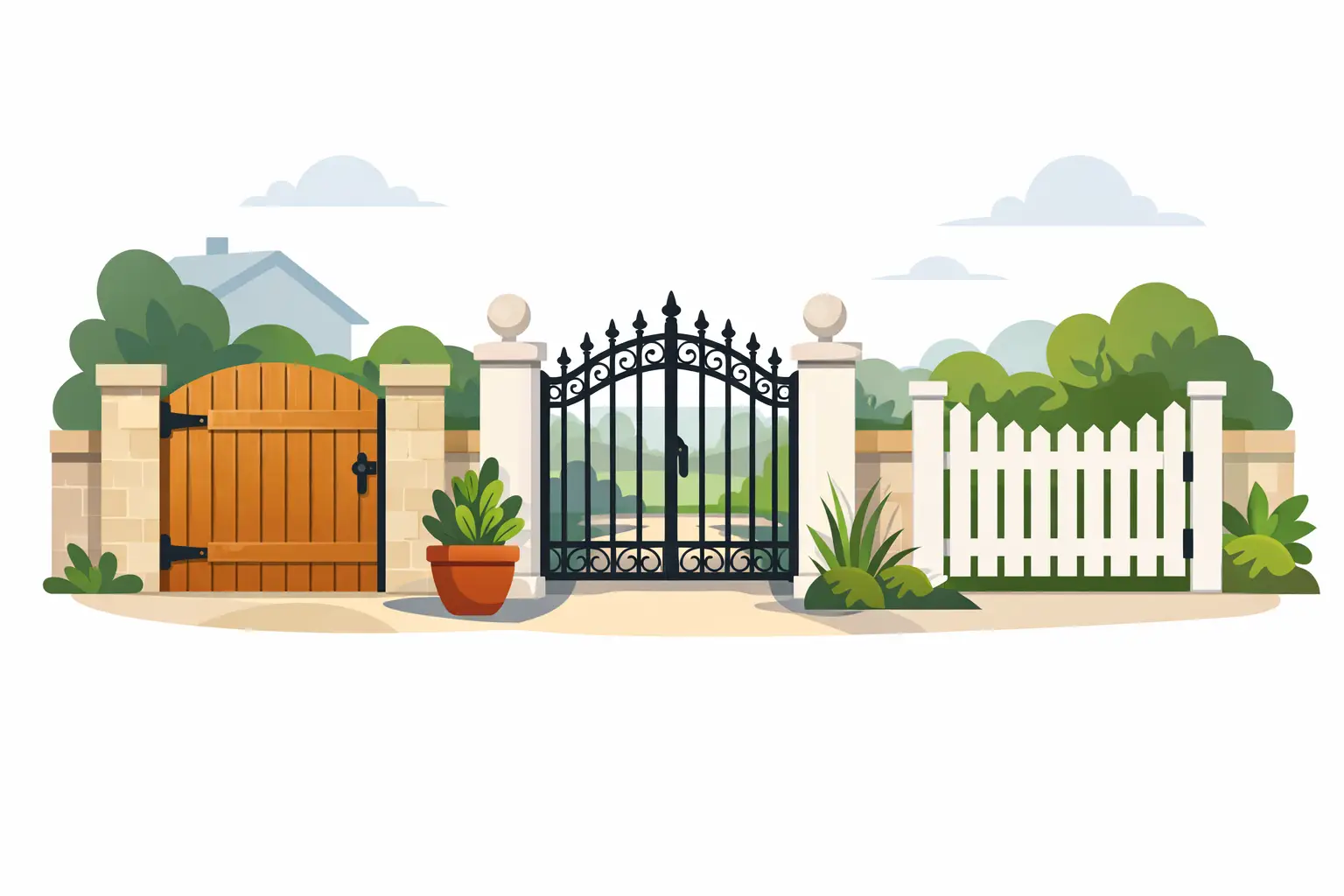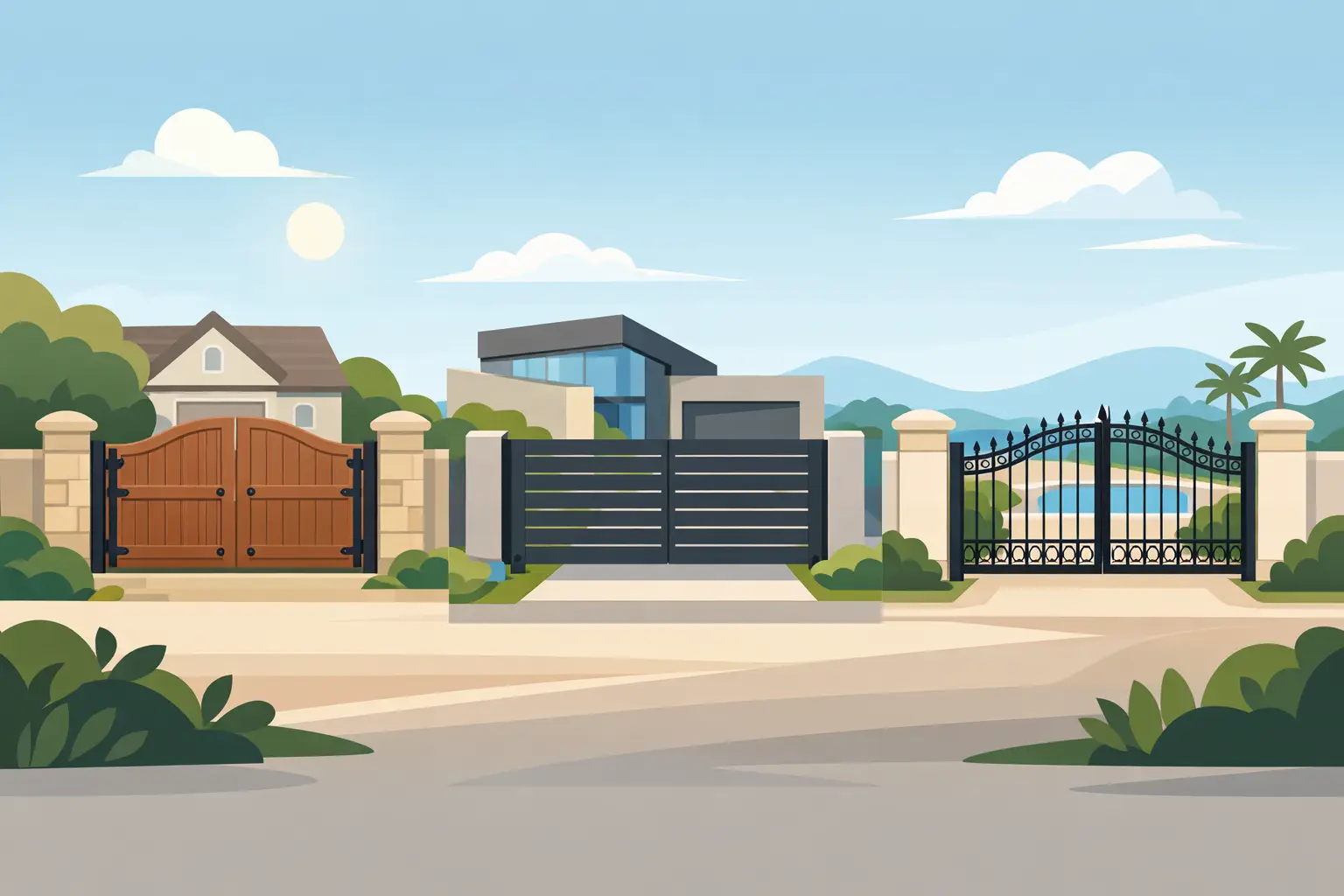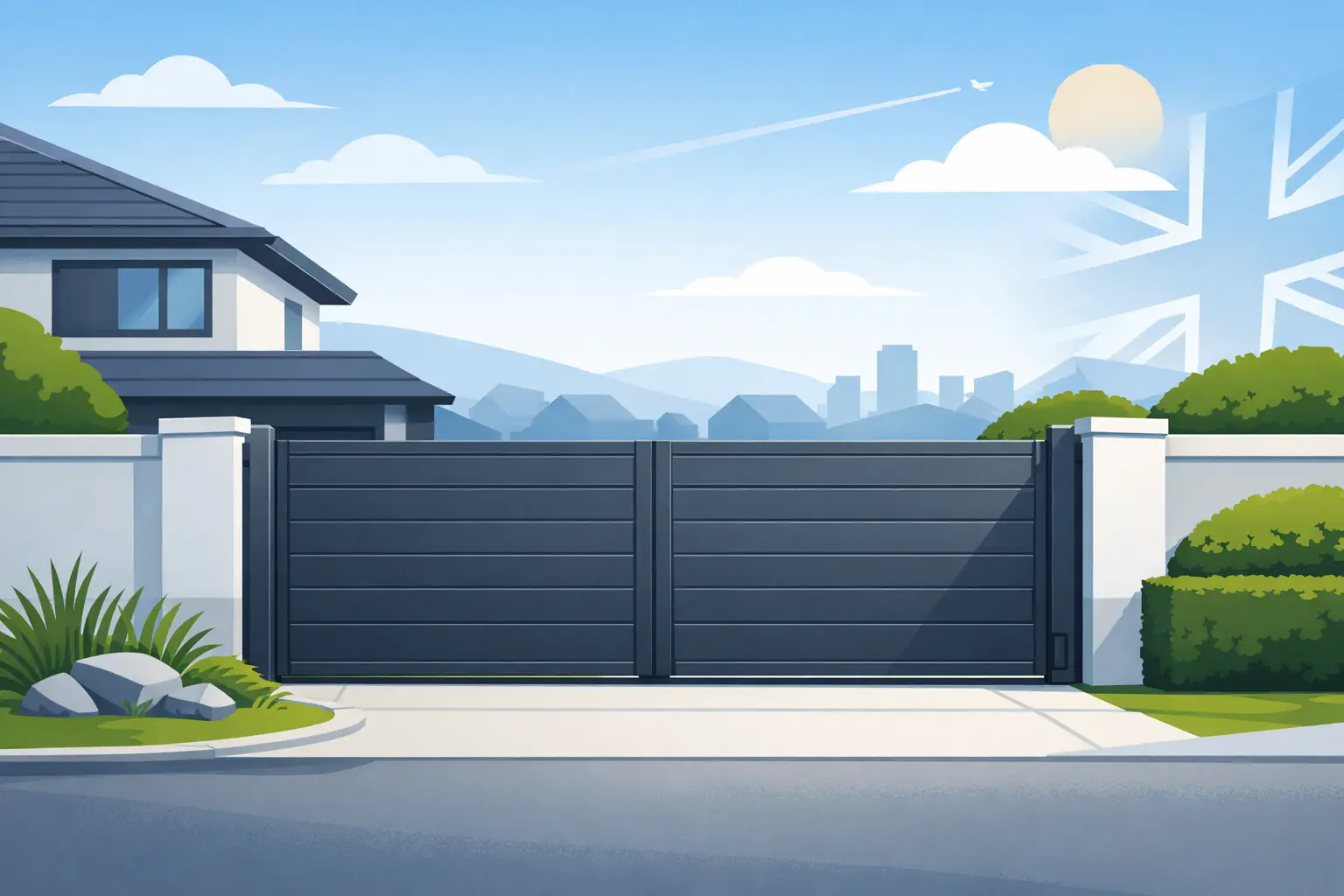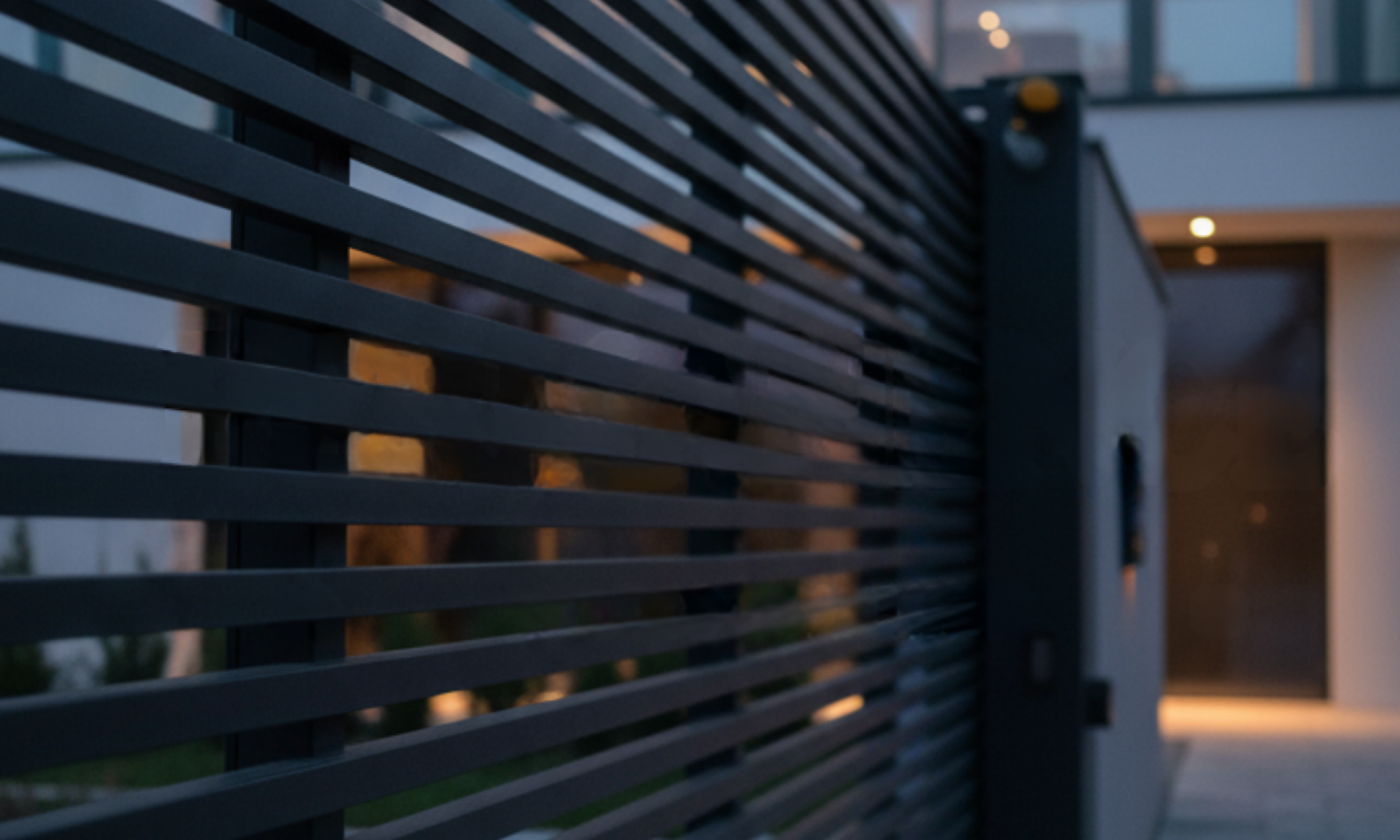

Gate Safety Compliance Checklist for UK Sites

Gate Safety Compliance Checklist for UK Sites

A gate that looks right on paper can still create problems on site. We see this most often when a manual or automated gate is chosen for appearance first, then the safety details are left until installation day. A proper gate safety compliance checklist helps avoid that. It gives homeowners, developers and site managers a clearer way to assess risk, meet UK expectations and choose a gate system that works safely in daily use.

Why a gate safety compliance checklist matters

Gate safety is not just about whether the gate opens and closes. It is about how it moves, who uses it, what sits around it, and what could go wrong when the gate is in operation. That applies to residential driveways, shared developments, schools, commercial yards and managed properties alike.

The main issue is that every site is slightly different. A domestic driveway with occasional use has different demands from a busy commercial entrance with delivery traffic, pedestrians and access control. That is why a checklist matters. It turns a broad safety duty into practical questions that can be answered before a gate is ordered, automated or handed over.

For many buyers, the safest route is to think about compliance at the specification stage, not after the gate has been manufactured. Material choice, gate size, hinge positions, automation type and control systems all affect the finished result.

Start with the type of gate and how it will be used

The first part of any gate safety compliance checklist should cover the basics of the opening. Is the gate manual or automated? Is it a swing gate or a sliding gate? How often will it be used, and by whom?

Those questions sound simple, but they shape almost every other safety decision. A manually operated pedestrian gate may need little more than sound construction, stable posts, suitable hinges and safe latch positioning. An automated driveway gate serving multiple users needs much more careful planning, especially where vehicles and pedestrians share the same space.

Usage matters as much as gate style. A private gate used by one household is different from a gate at a block entrance, a warehouse yard or a school. Higher traffic levels usually mean greater wear, more chance of misuse and a stronger need for controlled access and routine maintenance.

Site layout is where many risks begin

Before installation, the physical environment should be checked properly. This includes the width of the opening, available run-back space for sliding gates, ground levels, drainage, wall positions and any nearby structures.

For swing gates, you need to know whether the leaves can open safely without entering a public footpath or creating a hazard for parked vehicles. For sliding gates, the travel area must be clear and designed so fingers, hands or clothing cannot become trapped.

Pedestrian routes deserve special attention. If people are likely to walk near or through the same entrance used by vehicles, separation should be considered wherever possible. In some cases, a separate pedestrian gate is the safest option. It often improves convenience as well.

Visibility is another point that is easy to overlook. If drivers cannot see approaching pedestrians, cyclists or road users clearly, the gate layout may need rethinking. Safety is not only about the gate leaf itself. It is also about what users can and cannot see while the gate is operating.

The gate structure must be fit for purpose

A compliant installation starts with a gate that is suitable for the opening and the level of use. The frame, infill, posts, hinges, track system and fixings all need to be strong enough for the job.

This is one reason aluminium is often a practical choice. Its lighter weight can reduce strain on hinges, posts and automation equipment when compared with heavier materials, while still providing strength, durability and low maintenance. That does not remove the need for proper design, but it can support a safer, more manageable installation over time.

Attention should also be paid to sharp edges, gaps and climbing points. Decorative features may suit the design of a property, but they should not introduce unnecessary risk. The same applies to gate height and infill spacing, particularly where children may be present.

Automated gates need a higher level of checking

If the gate is powered, the safety review becomes more detailed. Automation introduces moving forces, control systems and the potential for impact, crushing, trapping or shearing hazards. A gate should never be automated as an afterthought without reviewing whether the original design is suitable.

A practical gate safety compliance checklist for automated systems should look at hazard zones across the full travel of the gate. That includes hinge areas, closing edges, run-back areas, support posts and any points where a person could be drawn in, trapped or struck.

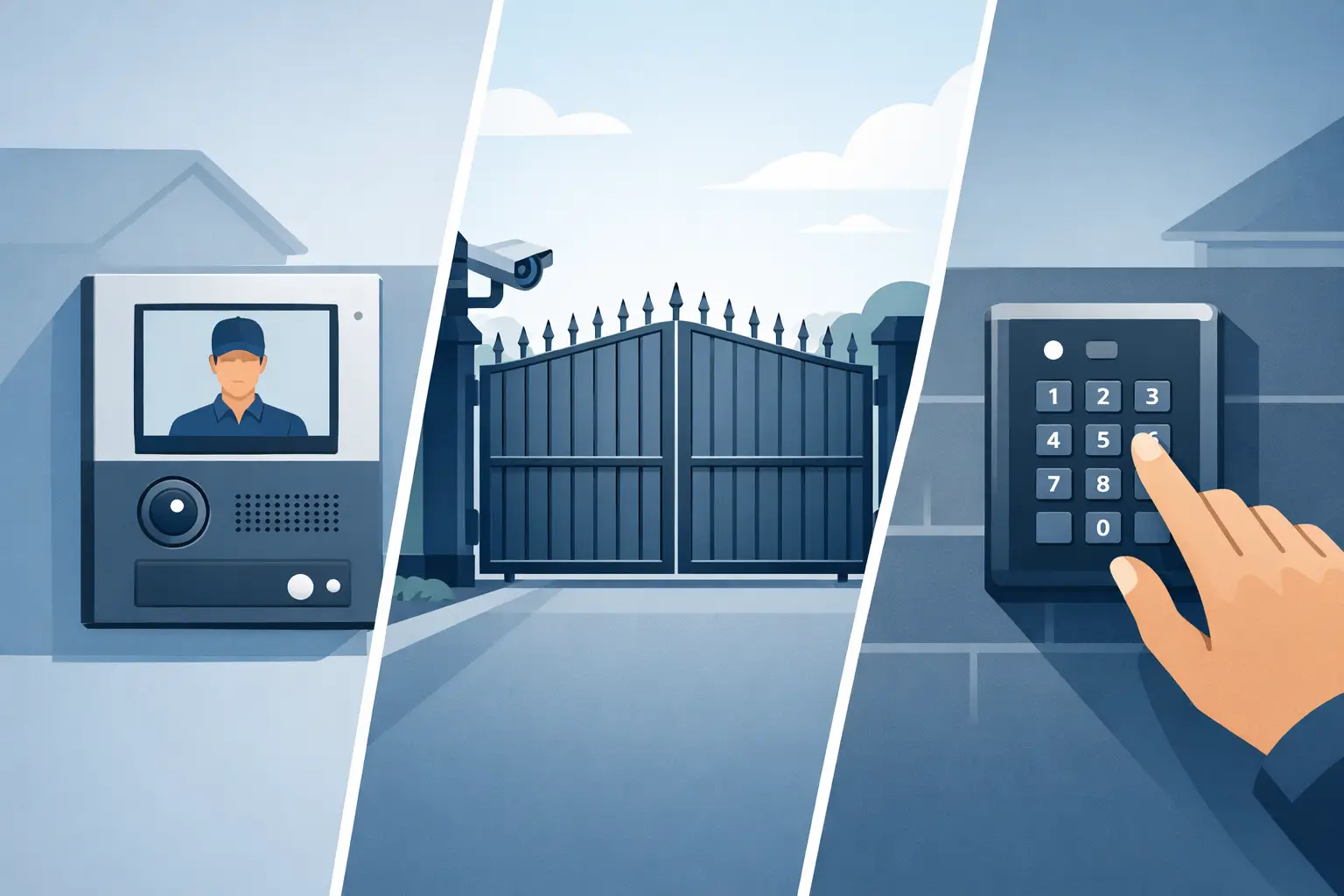
The control method matters too. Keypads, fobs, intercom entry, push buttons and timed closing all affect how safely the gate is used. For example, an automatic closing feature may be convenient, but if the site has slow-moving pedestrians or regular delivery access, settings and safety devices need to reflect that reality.

Safety devices should be selected based on the actual risks present. Depending on the system, this may include photocells, safety edges, force limitation and emergency stop arrangements. The right combination depends on the gate type and site conditions. There is no single setup that suits every entrance.

Installation quality is part of compliance

Even a well-made gate can become unsafe if it is installed poorly. Posts set incorrectly, misaligned hinges, inadequate foundations or badly positioned motors can all create safety issues from day one.

That is why installation should be treated as part of compliance, not a separate practical step. Gates need to be fitted squarely, supported properly and tested through their full movement. Automation equipment should be commissioned carefully, with safety devices checked and settings verified.

For commercial and higher-risk sites, documentation is especially important. Buyers should expect clarity on the system supplied, the safety measures included and the responsibilities for ongoing inspection and maintenance. A reliable supplier and installation partner should be able to explain this in plain English.

Maintenance and inspection cannot be ignored

Compliance does not end once the gate is installed. Wear, weather, impact damage and changes in site use can all affect safety over time. A gate that was suitable at handover can become unreliable if maintenance is delayed.

Manual gates should be checked for movement, hinge wear, loose fixings, latch function, post stability and signs of distortion or corrosion on associated components. Automated gates require a broader inspection that includes motors, controls, safety devices and operating forces.

The more heavily a gate is used, the more important a planned maintenance routine becomes. Commercial sites, multi-user developments and managed properties should not rely on a reactive approach. Regular servicing is a practical way to reduce risk and protect the life of the system.

It is also sensible to record inspections and repairs. This is particularly relevant where duty of care sits with a landlord, managing agent, employer or site operator.

A practical gate safety compliance checklist for buyers

When reviewing a new or existing installation, the key questions should be straightforward. Is the gate type right for the opening and traffic levels? Is the structure suitable for safe daily use? Have pedestrians been considered properly? Are pinch points, crushing areas and other hazards identified and addressed? If the gate is automated, are the control methods and safety devices appropriate to the site? Has the system been installed and tested correctly? Is there a realistic plan for maintenance and inspection?

If any of those answers are uncertain, more review is needed before moving ahead. That is particularly true where a gate is being retrofitted with automation or where site use has changed since the original installation.

Compliance is easier when specification comes first

Many safety problems begin with a mismatch between the gate, the opening and the way the entrance will actually be used. Choosing a system purely on style or price can lead to compromises later, especially if automation, access control or heavy daily use is involved.

A better approach is to specify the gate around the site. That means considering width, clearance, gradients, frequency of operation, user type, privacy, access control and maintenance expectations before final design decisions are made. It often saves time and cost in the long run because fewer changes are needed once installation starts.

At Aluminium Gates Direct, that early-stage thinking is a big part of getting the right result. Whether the project is a domestic driveway gate or a commercial entrance with automation and intercom access, the safest option is usually the one that has been matched properly to the site from the outset.

If you are reviewing a gate project now, treat the checklist as a decision tool rather than a paper exercise. The right questions asked early can make the whole installation safer, simpler and more dependable for years to come.

Aluminium vs Wooden Gates: Which Lasts Better?

Aluminium vs Wooden Gates: Which Lasts Better?

Choosing a new gate often starts with appearance, but the real difference between aluminium vs wooden gates shows up after installation. A gate has to do more than look right on day one. It needs to cope with British weather, daily use, security demands and the level of maintenance you are realistically willing to take on.

For some properties, timber still has strong appeal. It can feel warm, traditional and familiar, especially in rural settings or period homes. Aluminium, however, has become the practical choice for many homeowners, developers and commercial buyers because it offers a cleaner long-term proposition – less upkeep, strong performance and more design flexibility than many people expect.

Aluminium vs wooden gates: the biggest differences

The clearest distinction is maintenance. Wooden gates need ongoing care to stay looking good and structurally sound. That usually means staining, painting or sealing, along with regular checks for moisture damage, movement and wear. Aluminium gates are far less demanding. A quality powder-coated finish is designed to cope with the elements without the same cycle of repainting and repair.

Weight is another major factor. Timber gates can be heavy, particularly on wider driveways. That extra weight affects hinges, posts, automation and general wear over time. Aluminium is lightweight but still strong, which makes it easier to handle and often better suited to automated systems.

Lifespan matters too. Wood can last well if it is high quality and carefully maintained, but that condition comes with effort. Aluminium is naturally resistant to rust and does not absorb moisture in the same way, so it generally offers a more predictable long-term result.

Appearance and kerb appeal

Wooden gates have a natural charm that many buyers still value. On cottages, farmhouses and more traditional homes, timber can look immediately at home. Grain, texture and variation in tone are part of that appeal, and some customers prefer the softer, more organic finish that only real wood provides.

That said, aluminium is no longer limited to plain or overly modern styles. Contemporary aluminium gates are available in a wide range of designs, from sleek horizontal slats to more classic boarded and framed looks. Wood-effect finishes have also improved significantly, giving buyers the appearance of timber without the same maintenance burden.

For developers and commercial sites, aluminium often offers more consistent presentation. The finish is uniform, colours are stable and the gate continues to look tidy without the fading, cracking or patchiness that can affect timber over time. If presentation matters across multiple plots or a larger perimeter project, consistency becomes a genuine advantage.

Maintenance is where the decision often gets made

This is usually the point where preferences become practical. A wooden gate can look excellent when new, but it rarely stays that way without attention. British rain, changing temperatures and general exposure all take their toll. Even treated timber can warp, swell, split or discolour as time passes.

That does not mean wood is a poor choice. It means the buyer needs to be honest about upkeep. If you are happy to sand, repaint or re-treat the gate when needed, timber may still suit your property. If you want the gate to keep its appearance with minimal intervention, aluminium is the more straightforward option.

For landlords, busy homeowners and commercial buyers, reduced maintenance is not just a convenience. It is a cost and time saving over the life of the gate. A low-maintenance material can remove repeated decorating costs and reduce the likelihood of avoidable repairs.

Durability in UK weather

A gate in the UK has to handle wet winters, bright summer sun, wind and constant temperature shifts. That is where material behaviour really matters.

Timber is vulnerable because it is porous. It takes on moisture, dries out, expands and contracts. Over time, this movement can affect alignment, create cracks and weaken joints. In exposed areas, especially coastal or high-rainfall locations, the weathering process can be faster than many buyers expect.

Aluminium does not rot, and it does not suffer from insect damage. It is also resistant to rust, which makes it particularly useful for long-term external use. When finished properly, it stands up very well to typical UK conditions. That reliability is one of the main reasons more customers are moving away from timber for driveway and garden gates.

Security and strength

There is a common assumption that heavier means stronger. In practice, gate security depends on the overall design, frame construction, locking setup, posts and installation quality – not simply on weight.

A well-made aluminium gate can provide excellent security. Because aluminium is strong relative to its weight, it allows for rigid, dependable gate construction without placing excessive strain on hardware or motors. This is especially useful for wider entrances and automated gates, where balance and mechanical reliability are important.

Wood can also be secure, but it is more susceptible to gradual degradation. If boards loosen, frames shift or moisture affects the structure, the gate may become less stable over time. For residential security, both materials can work well when properly specified. For higher-use entrances or commercial applications, aluminium often offers the more dependable long-term performance.

Aluminium vs wooden gates on cost

Upfront cost is only part of the picture. In some cases, a basic timber gate may appear cheaper at the start. That can make it attractive for buyers working to a strict initial budget. However, a cheaper purchase price does not always mean lower overall value.

Wooden gates can bring added costs later through treatment products, repainting, repairs, hinge adjustments and eventual replacement if weathering becomes severe. Aluminium gates may cost more initially depending on size, style and whether the design is bespoke, but they often work out better over time because upkeep is so much lower.

This is particularly relevant for developers, landlords and site managers who need predictable long-term costs. The less a product demands after installation, the easier it is to budget for.

Automation and everyday use

If you are considering electric gates, material choice becomes even more important. Heavier gates place greater demand on motors and moving parts. That does not mean timber cannot be automated, but it does mean the specification needs careful planning.

Aluminium is often the easier option for automation because its lower weight helps reduce strain on the system. Opening and closing can be smoother, hardware wear may be lower and installation can be more straightforward. For frequent-use driveways, shared entrances and commercial access points, that matters.

It also gives more flexibility when integrating access control such as intercom systems. A gate should not just open and close. It should work reliably as part of the wider entrance setup.

Which suits different property types?

Traditional homes may still lean towards timber, particularly where natural materials are central to the property’s character. If the owner is committed to maintaining that look, a wooden gate can be entirely appropriate.

Modern homes, new-build developments and many renovated properties often suit aluminium very well. The design range is broad enough to complement minimalist architecture, heritage-inspired exteriors and everything in between.

For commercial premises, schools, apartment blocks and managed sites, aluminium usually makes more sense. The lower maintenance requirement, cleaner finish and compatibility with automation are difficult to ignore when the gate is part of a working perimeter rather than a purely decorative feature.

The right choice depends on how you want to live with it

This is the part many buyers overlook. The best gate is not simply the one that looks best in a brochure. It is the one that still suits your property, budget and routine years after it is fitted.

If you enjoy the character of timber and are prepared for the upkeep, wood can still be a good option. But if you want a gate that stays smart, performs reliably and asks very little in return, aluminium is hard to beat. That is why so many customers now choose it for driveways, gardens and commercial entrances alike.

At Aluminium Gates Direct, we often speak to buyers who begin by assuming timber is the more traditional or cost-effective route, only to realise that long-term maintenance changes the equation. Once the full picture is clear, aluminium tends to offer the better balance of appearance, durability and value.

A gate is one of the first things people see when they approach a property, but it is also something you have to live with. Choosing the material that fits not just the building, but the day-to-day reality, usually leads to the better result.

How Long Do Aluminium Gates Last?

How Long Do Aluminium Gates Last?

When customers ask how long do aluminium gates last, they are usually trying to judge more than lifespan alone. They want to know whether the gate will still look right in ten or twenty years, whether it will need regular repairs, and whether the upfront spend makes sense over time. That is the right way to look at it, because a gate is not just a visual feature. It is part of your property’s security, access and first impression.

In most cases, a well-made aluminium gate can last several decades. Twenty to thirty years is a sensible expectation for a quality product, and in many settings it can be longer. The exact answer depends on the grade of aluminium, the quality of the powder coating, the way the gate is manufactured, how well it is installed, and whether it is being used lightly on a private garden entrance or heavily on a busy commercial access point.

How long do aluminium gates last in real terms?

For a UK homeowner, the practical answer is that aluminium gates are designed for long-term use and generally outlast many timber alternatives with far less upkeep. Unlike wood, aluminium does not rot, warp or swell when exposed to rain and changing temperatures. Unlike untreated or lower-quality steel, it does not face the same rust issues.

That does not mean every aluminium gate performs the same. A low-cost gate made with thinner sections, poor fixings or a weaker finish may not age as well as a properly engineered system. By contrast, a well-specified aluminium gate with a durable powder-coated finish and professional installation can remain structurally sound and attractive for decades.

For many buyers, that long lifespan is one of the biggest reasons to choose aluminium in the first place. It offers a strong balance of durability, appearance and low maintenance, which is particularly valuable on driveway gates, garden gates and commercial entrances where reliability matters.

What affects the lifespan of aluminium gates?

The material itself is only part of the story. Aluminium is naturally corrosion-resistant, but the overall life of the gate depends on several connected factors.

Build quality and design

A gate that is well designed from the outset is more likely to last. This includes the thickness of the aluminium sections, the strength of the frame, the quality of the welding or fabrication, and the way the weight is distributed across hinges, posts and support points. Larger driveway gates and sliding gates, for example, need to be engineered properly so they do not place unnecessary stress on moving parts over time.

Bespoke manufacturing can make a real difference here. A gate that is designed for the exact opening, ground conditions and usage requirements of the site will usually perform better than a one-size-fits-all option being adapted on site.

Powder coating and finish

The finish on an aluminium gate does more than create the right look. A high-quality powder coating protects the surface from weathering, UV exposure and general wear. In the UK, where gates have to cope with frequent rain, damp conditions, frost and occasional coastal exposure, the finish plays an important part in long-term performance.

A poor finish can fade, chip or degrade earlier than expected. A properly applied architectural-grade coating is far more likely to hold its appearance for the long term. If appearance matters as much as durability, this is worth checking before you buy.

Installation quality

Even the best gate can have a shorter life if it is installed badly. Incorrect alignment, weak posts, poor hinge positioning or unsuitable foundations can all lead to premature wear. Gates that drag, drop or twist over time are often suffering from installation issues rather than material failure.

This is especially important with automated systems. If the gate is going to be used with motors, intercom access or frequent daily operation, every element needs to be set up correctly so the gate moves smoothly and safely.

Usage level

A side gate at a private home and a commercial entrance gate on a busy site will not age at the same rate. Frequent opening and closing puts more wear on hinges, locks, automation components and tracking systems than occasional use. The aluminium gate itself may still last very well, but associated hardware may need adjustment, servicing or replacement earlier.

This is why the right specification matters. High-traffic locations need a gate and automation package suited to the volume of use.

Why aluminium lasts well in the UK climate

UK weather is hard on external products. Timber gates absorb moisture, expand and contract, and often need repainting or treatment to stay in good order. Steel can be extremely strong, but if coatings are damaged or maintenance slips, corrosion can become an issue.

Aluminium is well suited to British conditions because it does not rust in the same way as ferrous metals, and it handles wet weather far better than timber. That makes it an attractive choice for homeowners who want kerb appeal without committing to regular upkeep, and for commercial buyers who need a dependable perimeter solution with less ongoing maintenance.

Coastal properties are one area where specification becomes even more important. Salt in the air can be more aggressive on finishes and hardware, so the coating standard and the quality of fittings should be chosen carefully. Aluminium is still a strong option in these environments, but not all products are equal.

How long do aluminium gates last compared with other materials?

This is often where the value of aluminium becomes clearer.

Timber gates can look excellent when first installed, but they typically demand much more maintenance over the years. Painting, staining, repairing splits and dealing with movement caused by weather all add to the long-term cost and effort. Depending on timber quality and care, lifespan can vary significantly.

Steel gates are strong and can also last a long time, but they tend to be heavier and usually require more attention to prevent corrosion, particularly if the finish is damaged. The extra weight can also place greater stress on hinges, posts and automation systems.

Aluminium sits in a very practical middle ground. It is lightweight yet strong, naturally resistant to corrosion, and generally much easier to maintain. That does not automatically make it the right choice for every project, but for many residential and commercial applications it offers one of the best long-term ownership profiles.

What maintenance helps aluminium gates last longer?

One of the main attractions of aluminium is that it is low maintenance, not no maintenance. There is an important difference.

Most aluminium gates only need occasional cleaning with mild soapy water to remove dirt, road residue and general build-up. This helps preserve the finish and keeps the gate looking smart. In coastal or high-pollution areas, cleaning may need to be more frequent.

It is also sensible to check hinges, locks, handles, tracks and automation components from time to time. On automated gates, regular servicing is a good investment because motors, safety devices and control systems have their own maintenance needs. The gate leaf may still be in excellent condition after many years, but moving parts benefit from inspection and adjustment.

If chips or damage to the finish do occur, dealing with them promptly helps protect appearance and prevents small issues becoming larger ones.

Signs of a gate built for long life

If you are choosing a new gate and want the best return over time, it helps to look beyond the headline price. Ask about the grade of aluminium, the coating process, the thickness of the sections, and whether the design is appropriate for the opening size and usage level.

You should also consider whether a readymade gate is suitable or whether a bespoke solution would be a better fit. Readymade options can be excellent where sizes and requirements are straightforward. Bespoke gates are often the better route where access, proportions, style preferences or automation plans are more specific.

A specialist supplier should be able to talk you through those choices in plain English, explain any trade-offs, and make sure the gate matches both your budget and your long-term expectations.

Is the lifespan worth the cost?

For many buyers, yes. Aluminium gates can cost more upfront than some timber alternatives, but the lower maintenance demands and longer service life often make them better value over the full ownership period. That is particularly true when you factor in the time and cost of repainting, repairs or early replacement with other materials.

The strongest value usually comes from getting the specification right first time. A gate that suits the property, usage level and design brief is far more likely to give reliable performance for years without unnecessary issues. At Aluminium Gates Direct, that is why the conversation usually starts with what the gate needs to do, not just what it should look like.

If you are planning a gate for your home, development or commercial site, it helps to think in decades rather than seasons. A well-made aluminium gate should not feel like a short-term purchase. It should feel like one less thing to worry about for a very long time.

Driveway Gate Prices Explained Clearly

Driveway Gate Prices Explained Clearly

A driveway gate can look deceptively simple until the quotes start coming in. One price may cover a straightforward pair of manual gates, while another includes bespoke sizing, automation, intercom access and installation. That is why driveway gate prices explained properly matters – not just as a number, but as a breakdown of what you are actually paying for.

For most buyers, the real question is not “what is the cheapest gate?” but “what is the right gate for my entrance, budget and long-term use?” A gate that suits the property, works reliably and needs very little upkeep will usually offer better value than a lower upfront price that leads to compromises later.

Driveway gate prices explained: what changes the cost?

The biggest factor is specification. Two gates can look similar in a photograph and still be priced very differently once you account for dimensions, design detail, opening style and whether the gate is made to a standard size or built to order.

Material has a major influence too. Timber can appear attractive at first, but ongoing maintenance needs to be factored in. Steel offers strength, but weight, corrosion protection and long-term upkeep all affect the bigger picture. Aluminium often appeals because it is lightweight, strong and low maintenance, which can help reduce both day-to-day care and the load placed on automation equipment.

The width of the opening is another obvious driver of cost. A wider entrance requires more material and, in many cases, stronger posts, hinges or track systems. Height also matters, particularly where privacy or security is a priority. A taller gate usually means more material and a more substantial overall build.

Then there is the level of customisation. A readymade gate in a common size will usually be more budget-friendly than a bespoke gate designed around a specific entrance. Bespoke options are often the right choice where openings are unusual, where the property has a defined architectural style, or where the customer wants greater control over layout, detailing and finish.

Typical price ranges for driveway gates

It is always better to treat published prices as a guide rather than a promise, because site conditions and specification can move the figure up or down. Still, broad ranges are useful when budgeting.

For a manual driveway gate in a standard style and size, the starting point is usually lower than a fully bespoke automated system. Readymade aluminium gates can offer a good balance for buyers who want a clean, durable finish without the cost of a fully custom design. Once you move into made-to-measure gates, decorative features, matching side panels or non-standard dimensions, the price rises accordingly.

Automation is where many budgets change most noticeably. Motors, control boards, safety devices, remote access and intercom integration all add to the overall cost. That does not mean automation is only for high-end projects. It simply means that the convenience and security benefits need to be weighed against the extra investment.

Installation should also be treated as a separate cost unless clearly included. Supply-only pricing can look very competitive, but the total project cost may be higher once groundwork, posts, cabling and fitting are added.

The difference between readymade and bespoke gates

For many domestic properties, readymade gates are a sensible place to start. They can keep lead times shorter and costs more predictable, particularly if the opening suits standard sizing. If the goal is to improve kerb appeal, secure the boundary and avoid constant maintenance, this route often delivers strong value.

Bespoke gates come into their own when the entrance is unusual or the design requirements are more specific. That could mean a sloping driveway, a wide opening, a requirement for privacy boarding, or a need to match railings, fencing or an existing architectural style. Bespoke also allows for a closer fit, both visually and practically.

The trade-off is straightforward. Readymade can be more cost-effective and quicker to source. Bespoke gives more control over the final result, but costs more because the gate is being tailored around the project rather than selected off the shelf.

How opening style affects price

The choice between swing gates and sliding gates is not just about appearance. It can materially affect both product and installation cost.

Swing gates are often the simpler option where there is enough room for the leaves to open safely. They can be ideal for many residential driveways and are commonly selected for their traditional look and relatively straightforward operation.

Sliding gates are often chosen where space is limited, the entrance is wider, or there is a stronger focus on controlled access and security. They can be a very practical answer, especially on commercial sites or homes with awkward driveway layouts, but they usually involve more groundwork, more hardware and a more complex installation setup.

A sloping drive also influences the decision. In some cases, a swing gate may need a specific hinge arrangement or design adjustment. In others, sliding may be the better engineering solution. This is one of those points where a low headline price means very little without understanding the site.

Automation, intercoms and access control

Many customers begin by asking about gate prices and end up discussing how they want the entrance to work day to day. That is sensible, because convenience and access control are central to the value of the system.

An automated gate setup typically includes motors, safety photocells, control equipment and remote operation. Beyond that, you may want keypad access, GSM entry, vehicle detection loops or video intercom integration. For domestic properties, this often comes down to convenience and security. For commercial sites, it may be more about traffic control, auditability and reliable access for staff and visitors.

The key point is that automation is not a fixed add-on with a single price. The cost depends on the gate type, usage frequency, power supply, access method and safety requirements. A gate used a few times a day at a private home is a different proposition from a gate serving a busy development or business premises.

Installation costs are not all the same

One of the most common reasons buyers are surprised by final pricing is that installation conditions vary so much from one property to another.

If posts are already in place, the ground is level and power is available near the entrance, installation is usually more straightforward. If the project needs new posts, foundations, underground cabling, track preparation or remedial work to brick piers, labour and materials will increase.

Older properties can be especially variable. Existing pillars may look sound but need checking for stability and alignment before a new gate is fitted. Likewise, a driveway surface may need alteration to ensure safe gate movement and proper drainage.

This is why a transparent quote matters. It should distinguish between gate supply, automation equipment and installation-related works so you can see where the money is going.

Why aluminium often changes the value equation

When customers compare materials on price alone, they can miss the longer-term costs. Aluminium may not always be the lowest initial figure in every comparison, but it often performs strongly on value because it is resistant to rust, lightweight and designed for minimal upkeep.

That matters in the UK climate. Rain, frost and changing temperatures are hard on external products. A gate that does not need regular sanding, staining or repainting is attractive not only for convenience but also for ongoing cost control.

Lower weight can also benefit automated systems. A lighter gate generally places less strain on motors and hardware than a heavier alternative, assuming the gate is properly specified. Over time, that can support durability and smoother operation.

For homeowners, developers and trade buyers alike, the value question is usually about lifespan, appearance and maintenance as much as upfront spend. That is where aluminium often makes practical sense.

How to budget more accurately

If you want a realistic price rather than a rough estimate, start with the opening width, height and a few clear decisions about style and operation. Think about whether you want privacy or visibility, manual or automated use, and whether the gate needs to match other perimeter products.

Photographs of the entrance are helpful, especially where there are slopes, pillars or limited run-back space. It is also worth deciding early whether you are comparing supply-only and supply-and-install options, because those figures can be very different.

The more clearly the requirement is defined, the easier it is to receive pricing that reflects the actual project rather than a generic allowance. That saves time and usually avoids the frustration of seeing a low starting price climb later.

At Aluminium Gates Direct, that is exactly why a consultative approach matters. The best gate is rarely the one with the smallest number beside it. It is the one that fits the entrance properly, looks right on the property and continues to do its job without becoming another maintenance headache.

A good driveway gate should feel like money well spent every time it opens, closes and still looks the part years down the line.

How to Choose Aluminium Driveway Gates

How to Choose Aluminium Driveway Gates

A driveway gate can improve security, change the look of your frontage and make day-to-day access easier – but only if you choose the right one. If you are working out how to choose aluminium driveway gates, the best place to start is not colour or style. It is how the gate needs to work for your property, your access needs and your budget.

Many buyers begin with appearance and then discover practical limits later. A design that looks right on paper may be too heavy in feel for a narrow entrance, unsuitable for sloping ground or awkward to automate. Aluminium gives you more flexibility than timber or steel because it is lightweight, strong and low maintenance, but the right specification still depends on the details.

How to choose aluminium driveway gates for your property

The most useful question is simple: what do you need the gate to do every day? For some households, the priority is privacy from the road. For others, it is safer access for children and pets, a smarter entrance for a renovation project or reliable automated entry for a busy driveway. Commercial buyers may put security, access control and repeated daily use at the top of the list.

Once that function is clear, the rest of the decision becomes easier. Gate type, height, infill style, automation and access control should all support the way the entrance is actually used, rather than just how it looks in a brochure.

Start with the opening width and site conditions

Measurements matter more than most people expect. The clear opening width, the available space behind the gate, the position of walls or piers, the driveway gradient and the road approach all affect what is possible. A pair of swing gates may suit a level entrance with good clearance, while a sliding gate may be the better choice where depth is limited or frequent access is needed.

Sloping driveways need particular care. A standard swing gate can become impractical if the ground rises sharply behind it. In that situation, a tracked or cantilever sliding gate may offer a cleaner solution, although it requires room to one side for the gate to travel. There is no one-size-fits-all answer here. The right option depends on how much space the site gives you and how the entrance is approached in real use.

Decide how much privacy and visibility you want

This is where style and function meet. Solid or closely boarded aluminium driveway gates offer stronger privacy and a more enclosed look. They can work well for homes on busy roads or for customers who want to screen parking areas from view. Open designs, including railings or decorative patterns, create a lighter appearance and allow visibility through the gate.

Neither is automatically better. A fully private gate can look striking, but on some properties it may feel too enclosed, particularly at the front of a smaller driveway. An open design can improve sightlines and feel more welcoming, but it provides less screening. Often, the best result sits somewhere in the middle – enough coverage for privacy, with enough openness to suit the property style.

Matching aluminium driveway gates to the building

A gate should look like it belongs to the property, not like an afterthought. Modern homes often suit clean horizontal lines, simple framing and contemporary powder-coated finishes. Period or traditional properties may benefit from more decorative detailing, softer lines or an ornate design that complements existing brickwork, railings or boundary walls.

Colour also carries more weight than many buyers realise. Black, anthracite grey and other darker tones remain popular because they suit a wide range of properties and give a crisp, architectural finish. Lighter or bespoke colours can work very well too, especially where windows, doors or fencing are part of a coordinated exterior scheme. The key is consistency. The gate does not need to match everything exactly, but it should sit comfortably alongside the wider frontage.

If you are replacing an older timber or wrought iron gate, it helps to decide whether you want a similar look in a more durable material, or a complete change in style. Aluminium can do both. Some customers want a traditional appearance without the maintenance issues of painted timber or steel. Others want to modernise the entrance entirely.

Readymade or bespoke

This is often one of the biggest buying decisions. Readymade aluminium driveway gates can be a very good option when your opening size is standard, your design preferences are straightforward and speed matters. They can offer good value and a simpler route to installation.

Bespoke gates are usually the better fit when the entrance is an unusual size, the project has specific planning or design requirements, or you want a gate that ties closely into the architecture of the property. For developers, architects and commercial buyers, bespoke specification is often the practical choice rather than a luxury. It allows the gate to be designed around the site instead of asking the site to adapt to the gate.

How to choose aluminium driveway gates with the right level of security

Security means different things depending on the property. For a private driveway, it may be about creating a clear boundary and deterring casual access. For a larger home, flat development or commercial entrance, security may need to work alongside automation, intercom entry and controlled vehicle access.

Height, design and locking method all play a part. Taller gates generally offer greater security and privacy, but they also create a stronger visual impact. A lower gate may be enough in a quiet residential setting where the main goal is boundary definition and kerb appeal. If security is a priority, think about the full entrance package rather than the gate alone. Posts, hinges, locking systems, access control and automation all need to be specified properly.

That is one reason aluminium is often a sensible long-term choice. It gives you strength without the unnecessary weight that can complicate handling and automation. Lightweight construction can also reduce strain on motors and hardware when the system is used regularly.

Think carefully about automation

Manual gates are still the right answer for some entrances, especially where use is occasional or budget is tight. But many buyers now see automation as part of the core specification rather than an upgrade. If you are arriving home in poor weather, managing deliveries or controlling access to a shared or commercial site, automated opening quickly becomes more than a convenience.

The important point is to decide early. Retrofitting automation later is possible in some cases, but it is usually better to choose a gate that is designed with automation in mind from the start. The opening style, hinge arrangement, power supply and safety requirements all need consideration. If intercom access is required, that should also be planned at the same stage so the system works as one joined-up entrance solution.

Budget, maintenance and long-term value

Price matters, but the cheapest gate on day one is not always the best value over time. Aluminium typically costs more upfront than some lower-spec alternatives, yet it can save money and hassle in the years ahead because it does not rust like steel and does not need the regular painting, staining or repair work often associated with timber.

That low-maintenance benefit is one of the main reasons homeowners and trade buyers move to aluminium. For residential customers, it means less upkeep and a smart appearance that lasts. For developers and commercial sites, it means reduced maintenance demands across multiple properties or high-use entrances.

It is worth looking at the total package when comparing costs. Product quality, finish, customisation, delivery, installation support and automation options all affect value. A gate that fits properly, performs reliably and needs very little attention can be the more economical choice even if the initial spend is higher.

Do not overlook installation support

Even a well-made gate can disappoint if it is badly fitted or poorly specified for the site. That is why advice at the selection stage matters. Buyers often focus on style and dimensions, but professional support around measurements, opening method, posts, hardware and automation can prevent expensive mistakes.

For customers buying nationwide, the best suppliers do more than sell a product. They help shape the right solution and, where needed, connect the project to suitable installation support. That is especially valuable for bespoke gates, automated entrances and commercial applications, where performance depends on the whole system working properly together.

A good supplier should be clear about what is included, what is optional and what depends on the site. Transparent pricing and honest guidance are often a better sign of value than a headline figure that leaves too many questions unanswered.

If you are weighing up designs, sizes and access options, take a step back and think about everyday use first. The right aluminium driveway gate should suit the property, stand up to the weather, work smoothly and feel like a sensible long-term investment rather than a compromise made in haste. If you are unsure where to start, speaking to a specialist such as Aluminium Gates Direct can help turn a wide set of choices into a clear, practical recommendation.

Are Aluminium Gates Worth It?

Are Aluminium Gates Worth It?

A gate can look excellent on day one and still become a poor buy if it starts warping, rusting or demanding constant upkeep two winters later. That is usually the real question behind are aluminium gates worth it – not simply what they cost to buy, but what they cost you in maintenance, appearance and reliability over time.

For many UK homeowners and commercial buyers, aluminium gates make strong financial and practical sense. They are lightweight, durable, resistant to corrosion and far easier to live with than traditional timber or wrought iron alternatives. That said, they are not automatically the right answer for every property, every budget or every design brief. The value comes from choosing the right specification, style and installation approach for the way the gate will actually be used.

Are aluminium gates worth it for long-term value?

In most cases, yes. Aluminium gates tend to deliver long-term value because they combine good looks with low ongoing maintenance. Unlike timber, they do not swell, rot or require regular staining to keep them presentable. Unlike steel or iron, they do not rust in the same way when exposed to rain and changing temperatures.

That matters more than many buyers first expect. A lower upfront price can quickly lose its appeal if you are repainting, repairing or replacing parts sooner than planned. Aluminium is often the more cost-effective option over the life of the gate, particularly for exposed driveways, busy entrances and coastal or high-moisture areas.

The finish also plays a major part in value. Quality powder-coated aluminium holds its appearance well and gives buyers access to a wide range of colours and styles without creating a heavy maintenance burden. If kerb appeal is part of the goal, that balance is hard to ignore.

Upfront cost versus lifetime cost

The main hesitation buyers have is usually price. Aluminium gates can cost more upfront than some basic timber options, especially if you are comparing a made-to-measure aluminium gate with a standard off-the-shelf timber product. Bespoke designs, automation and intercom integration will also increase the initial investment.

But upfront cost is only one part of the calculation. Timber often needs sanding, painting, staining and occasional repair. Steel may need treatment if coatings are damaged. Both can become expensive in time and maintenance even when material cost looked attractive at the start.

Aluminium generally keeps those ongoing costs lower. It does not need regular repainting to stay protected, and because it is lightweight, there can be less strain on hinges, posts and automation systems when the gate is correctly specified. Over several years, that can make a noticeable difference.

For trade buyers and developers, this is often where aluminium becomes especially attractive. Fewer maintenance issues after installation can mean fewer call-backs, better presentation and a more predictable whole-life cost.

Durability in British weather

British weather is not kind to external products. Rain, frost, wind, pollution and coastal air all test a gate over time. Aluminium performs well in these conditions because it is naturally corrosion-resistant and does not absorb moisture in the way timber does.

That does not mean every aluminium gate is equal. Build quality, fabrication standards and finish quality still matter. A well-made gate with the right powder coating and hardware will perform far better than a poorly specified one. Buyers should pay attention to the full package, not just the material.

For exposed driveways and perimeter entrances, the lighter weight of aluminium is another practical advantage. A gate still needs to be properly engineered, but a lighter structure can reduce wear on moving parts and improve day-to-day operation, particularly with automated systems.

Maintenance is where aluminium stands out

One of the strongest arguments in favour of aluminium is simply that it is easy to own. Most aluminium gates need little more than routine cleaning and occasional checks of hinges, locks or automation components.

For homeowners, that means less time spent treating or repainting the gate. For landlords, site managers and commercial operators, it means less ongoing maintenance planning. That is a clear benefit when gates are part of a wider property portfolio or site management responsibility.

Low maintenance does not mean no maintenance. Tracks on sliding gates still need to be kept clear. Moving parts still need inspection. Automated systems still need servicing. But the gate itself is usually far less demanding than timber or ferrous metal alternatives.

Are aluminium gates worth it for security?

They can be, provided the gate is designed and installed with security in mind. Material alone does not make a gate secure. The overall design, frame strength, locking setup, access control and installation quality all affect performance.

Aluminium offers a strong strength-to-weight ratio, which makes it suitable for both residential and commercial entrances. It can be manufactured in solid or more open designs depending on whether the priority is privacy, visibility or a balance of both. It also works well with automation, keypads, intercom systems and other controlled access features.

For residential properties, that can mean a smart driveway gate that improves privacy and manages access without looking overly industrial. For commercial premises, it can mean a practical perimeter solution that supports traffic flow and site control.

If your priority is high-security perimeter protection, the right specification becomes essential. Post sizes, infill type, locking arrangement and access equipment all need to be chosen for the setting rather than assumed from the material alone.

Style, choice and kerb appeal

Aluminium has moved well beyond the plain, purely functional look some buyers still imagine. It is now available in contemporary, traditional and ornate designs, with options for driveway gates, garden gates, pedestrian gates, sliding gates and swing gates.

That range matters because value is not only practical. A gate is a visible part of the property. It shapes first impressions, affects kerb appeal and can influence how finished and secure a home or site feels.

For homeowners, aluminium gives flexibility in colour, slat spacing, privacy level and decorative detail. For developers and architects, it can make it easier to match the gate to the wider scheme rather than forcing a compromise around maintenance concerns. Bespoke manufacturing can also help when openings are non-standard or a specific design feature is important.

In short, aluminium is often worth it because it removes the old trade-off between appearance and practicality. You do not have to accept a high-maintenance material just to get a better-looking result.

When aluminium may not be the right fit

There are situations where aluminium may not be the best choice. If the absolute lowest upfront cost is the only decision factor, a simple timber gate may come in cheaper initially. If a buyer wants a very specific heavy forged aesthetic, steel or wrought iron may better suit that design preference.

There are also project-specific considerations. Very large openings, unusual gradients, high-wind locations and intensive commercial traffic may require careful design choices regardless of material. In those cases, the question is less whether aluminium is worth it in general and more whether the exact gate system has been specified correctly.

This is why good advice matters. Buyers usually get the best result when they assess the opening size, use pattern, privacy needs, automation plans and maintenance expectations together rather than making the decision on headline price alone.

Residential and commercial buyers often value different things

A homeowner replacing old timber driveway gates may care most about appearance, convenience and reduced upkeep. A commercial buyer may focus on access control, reliability and a finish that presents the site professionally. A developer may need a solution that satisfies budget, planning expectations and long-term durability.

Aluminium works well across all three, but for slightly different reasons. It suits residential projects because it offers clean design and low maintenance. It suits commercial sites because it is durable, lightweight and compatible with automation and intercom systems. It suits developers because it can be specified consistently across multiple plots or property types.

That flexibility is a large part of its value. A material that can be tailored to different budgets and property requirements is often a smarter investment than one that only works well in a narrow set of circumstances.

So, are aluminium gates worth it?

If you want a gate that looks good, resists the weather, keeps maintenance low and offers strong long-term value, aluminium is very often worth it. The strongest case for it is not hype or fashion. It is the simple fact that many buyers want a gate they can rely on without signing up to years of repainting, repairs or avoidable deterioration.

The key is to buy on specification, not assumption. The right gate for a private driveway is not always the right gate for a managed development or commercial entrance. Size, style, finish, hardware and automation all shape the final result.

That is where a specialist supplier adds real value. With the right guidance, aluminium can be tailored to suit modern homes, traditional properties, busy sites and bespoke project requirements without making the buying process more complicated than it needs to be. If you are weighing cost against convenience, appearance against upkeep, and security against practicality, aluminium is usually a very sensible place to start.